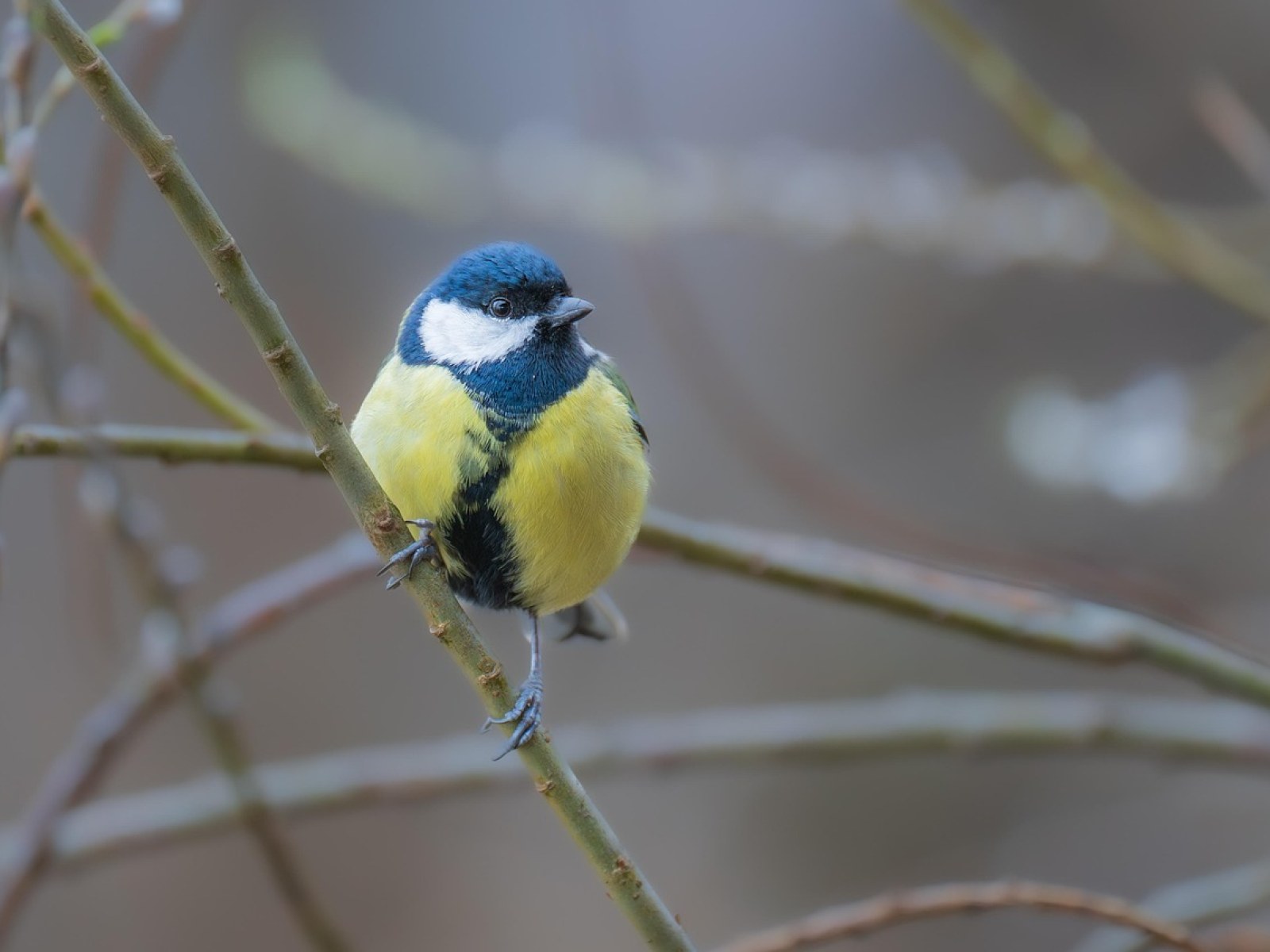
Birdsong is usually associated with early mornings and dawn choruses, yet many city residents now report hearing nocturnal bird song drifting through their windows. This shift reflects how birds respond to urban noise, artificial light behavior, and disrupted circadian rhythms that make cities very different from natural habitats.
Understanding these pressures reveals how modern environments are reshaping when and why birds sing.
What Is Birdsong and Why Timing Matters
Birdsong is a complex form of vocal communication used mainly for territory defense and attracting mates. Unlike simple calls, it often involves elaborate patterns and species-specific structures that advertise fitness and signal ownership of a territory.
These songs help coordinate breeding activities and social interactions within and between species.
In most songbirds, the timing of birdsong follows predictable daily patterns governed by circadian rhythms. Many species perform a prominent dawn chorus around sunrise, sing less intensely during the day, and sometimes call again near dusk.
These rhythms help birds conserve energy, avoid predators, and stay synchronized with others. When typically diurnal birds begin producing nocturnal bird song, it suggests that their internal timing systems are being pushed away from their usual schedule.
Why Are Birds Singing at Night?
Reports of birds singing at night are especially common in dense urban areas, where blackbirds, robins, and other passerines vocalize during hours that were once quiet. Two main factors stand out: intense urban noise during the day and widespread artificial lighting at night.
Urban noise from traffic, construction, and human activity creates a constant background of low-frequency sound that can mask birdsong. If songs cannot be heard clearly by mates or rivals, their communication value drops.
To cope, some birds shift their singing to quieter periods, including late night and pre-dawn hours when urban noise falls and sound travels more effectively. This makes nocturnal bird song a practical strategy to restore effective communication.
Artificial light behavior is equally important. Light pollution from streetlights, buildings, and signage extends the perceived length of day and blurs the boundary between day, dusk, and night.
When artificial light at night brightens the environment, it can confuse the circadian system that relies on natural light–dark cycles. Birds exposed to bright night skies may interpret conditions as an extended twilight or an early dawn, prompting them to start singing earlier than individuals in darker, rural habitats.
How Urban Noise Changes Birdsong Behavior
Urban noise influences both when and how birds sing. During the day, city soundscapes overlap with the frequency range of many bird songs.
To avoid being drowned out, some birds start singing earlier in the morning, before traffic peaks, or extend their singing into night when streets are quieter. This behavioral flexibility can turn nocturnal bird song into a regular feature of urban life.
In addition to timing shifts, certain populations alter the structure of their songs. Some birds adjust toward higher frequencies that stand out better against low-frequency traffic noise, while others sing louder to overcome background sound.
These modifications help maintain effective birdsong communication but may increase energy costs or change signal characteristics in ways that affect mate choice and territorial interactions.
Artificial Light and Circadian Disruption
Artificial light behavior at night can profoundly alter circadian rhythms. Birds' internal clocks are tuned to natural patterns of day length, dawn, and dusk.
When streetlights and building lights brighten the night, birds may perceive day length as longer or misinterpret the timing of dawn. This can shift the onset of their daily activities, including singing.
Research shows that birds in brightly lit areas often begin their dawn songs earlier than those in dark environments. In extreme cases, males start singing well before true dawn, moving part of the dawn chorus into what humans consider nighttime.
Artificial light at night can also influence hormone levels and breeding schedules, encouraging some individuals to begin reproductive activity earlier in the season. While longer active periods may increase opportunities to sing and court, they can also create mismatches with food availability and raise energetic demands.
Combined Effects of Light and Noise
Urban noise and artificial light often overlap, creating environments where birds must adjust to both altered sound and light conditions. In many cities, the brightest locations are also the noisiest.
In such settings, artificial light tends to set an earlier baseline for activity, while noise pushes birds to fine-tune the precise timing of their songs to quieter windows.
This combined pressure can lead to complex daily patterns: birds may start singing well before sunrise under bright lights, continue into early morning to compete with rising noise, and reduce song output during the loudest periods of the day. Not all species respond the same way.
Sensitivity to light and noise, habitat preferences, and song characteristics all shape how each species' circadian system adjusts. As a result, some species develop pronounced nocturnal bird song in cities, while others remain mostly silent at night.
Ecological and Health Implications for Birds
Shifting birdsong into the night has potential costs. From a circadian standpoint, moving activity into hours normally reserved for rest can disturb sleep and recovery. Birds that sing at night and remain active by day may experience chronic stress or fatigue, which can affect immune function, survival, and overall health.
At the same time, altered timing of birdsong can change reproductive and territorial dynamics. Individuals that sing earlier or over a longer span may gain advantages in attracting mates or asserting territories, especially if their songs stand out more clearly at night.
Over time, this may favor traits that support flexible or extended singing schedules, contributing to the evolution of urban-adapted bird populations. However, these advantages must be weighed against the physiological costs of disrupted circadian rhythms and increased exposure to predators or adverse conditions at unusual hours.
Supporting Healthier Soundscapes for Birds
As awareness grows about the links between birdsong, circadian patterns, urban noise, and artificial light behavior, communities can take steps to make cities more compatible with wildlife.
Reducing unnecessary outdoor lighting, using shielded fixtures, and favoring warmer-colored lights can help restore clearer signals of night. Limiting nighttime construction and encouraging quieter urban design can improve soundscapes for both birds and humans.
Nocturnal bird song in cities offers a vivid sign of how deeply human-built environments influence other species.
By recognizing birdsong at night as both an adaptation and a warning, planners and residents can work toward urban landscapes where birds can follow more natural circadian rhythms while still thriving alongside people.
Frequently Asked Questions
1. Can nocturnal bird song help people identify which species live in their neighborhood?
Yes. Many species have distinct songs, and nighttime singing often highlights a few adaptable urban birds like robins or blackbirds. Listening regularly and comparing with field guides or apps can reveal which species share the neighborhood.
2. Does hearing birds sing at night mean there is something wrong with the local ecosystem?
Not necessarily. Nighttime birdsong often reflects behavioral adjustment to urban noise and light rather than immediate ecosystem collapse, but persistent changes can signal longer-term pressure on local wildlife.
3. Are rural birds starting to show the same nighttime singing patterns as city birds?
In general, rural birds show fewer nighttime shifts because their environments are darker and quieter, though areas near highways, industrial sites, or lit facilities can show similar changes to those seen in cities.
4. Can planting more trees or vegetation reduce the need for birds to sing at night?
Vegetation alone does not remove light or noise, but trees and shrubs can slightly buffer sound, provide safer roosting spots, and create microhabitats where birds may rely less on nighttime singing to communicate.
Originally published on Science Times
© 2026 ScienceTimes.com All rights reserved. Do not reproduce without permission. The window to the world of Science Times.


