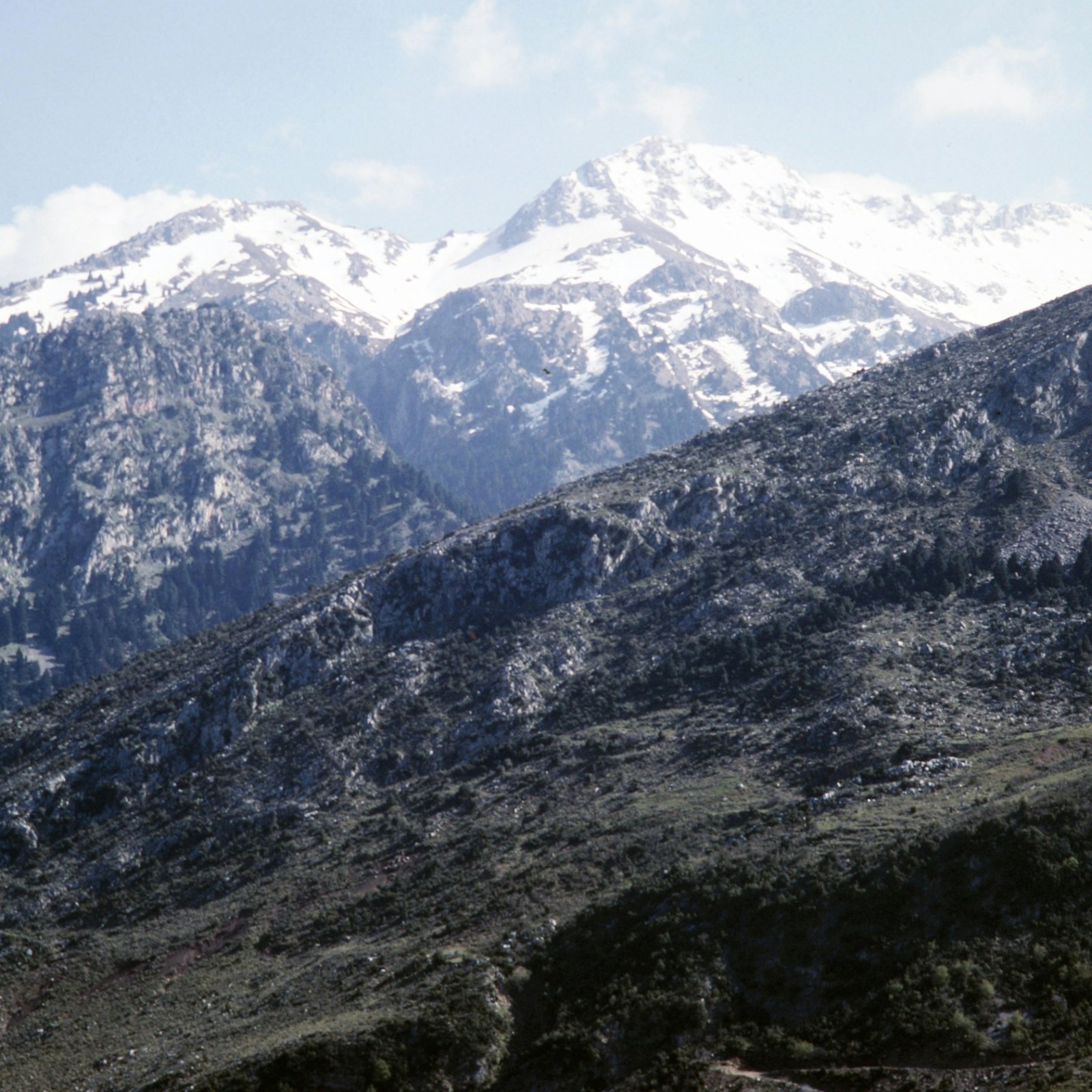
The Greek mountain snow decline has become one of the clearest indicators of changing climate patterns in southern Europe. According to findings highlighted in the Greece snow cover study 2026, snow cover across Greece's mountainous regions has dropped by more than half since the mid-1980s. This long-term shift reflects broader snow cover Greece climate change trends, where warming temperatures are reshaping seasonal cycles.
Researchers analyzing satellite data over four decades found that snow is not only decreasing in volume but also in duration. Winters are becoming shorter, and snow is melting earlier in spring. This pattern is particularly concerning in a country where snow plays a critical role in maintaining water supplies during dry summer months. A report shared via EurekAlert! emphasized that the decline is not gradual but accelerating, especially since the early 2000s. This suggests that recent climate conditions are amplifying long-term warming trends rather than stabilizing them.
What the Greece Snow Cover Study 2026 Found
The Greece snow cover study 2026 provides one of the most detailed analyses of snow trends in the Mediterranean region. Using high-resolution satellite imagery and advanced modeling techniques, researchers tracked snow coverage across multiple mountain ranges over nearly 40 years. Key findings from the study include:
- Snow cover has decreased by approximately 58% since 1984
- The snow season now begins later and ends earlier
- Lower elevation areas are experiencing the most dramatic losses
- Snow decline has accelerated significantly after 2000
The study also introduced new mapping tools that can fill gaps caused by cloud cover, thereby improving the accuracy of long-term observations. These tools allowed scientists to better understand how snow cover in Greece is unfolding at both regional and local levels. Additional context from University of Cambridge supports these findings, noting that Mediterranean mountain systems are particularly vulnerable due to their relatively mild winter temperatures. Even small increases in temperature can shift precipitation from snow to rain, dramatically reducing snow accumulation.
Why Snow Cover Greece Climate Change Is Happening
The primary driver behind the Greek mountain snow decline is rising temperatures. While precipitation levels have not dropped significantly in many areas, the form of that precipitation has changed. Instead of falling as snow, more winter precipitation now arrives as rain. Several interconnected factors explain this shift:
- Warmer winter temperatures reduce the likelihood of snowfall
- Increased frequency of heat spikes during winter accelerates melting
- Reduced snow retention due to higher ground temperatures
- Changing atmospheric patterns affecting Mediterranean weather systems
These changes are consistent with broader climate research from organizations such as Copernicus Climate Change Service, which has documented rising temperatures across Europe, particularly in southern regions. The result is a feedback loop in which less snow leads to lower surface reflectivity, causing the ground to absorb more heat and further accelerating warming.
Environmental and Economic Impacts of Greek Mountain Snow Decline
The loss of snow cover has far-reaching consequences that extend beyond seasonal aesthetics. Snow acts as a natural reservoir, storing water during winter and releasing it gradually as temperatures rise. When this system is disrupted, multiple sectors are affected. Environmental impacts include:
- Reduced river flow during critical summer months
- Increased likelihood of drought conditions
- Disruption of alpine ecosystems and biodiversity
- Changes in soil moisture and vegetation cycles
Economic and social impacts are also becoming more visible: - Agriculture faces water shortages during peak growing seasons
- Hydropower generation becomes less predictable
- Winter tourism experiences shorter and less reliable seasons
- Local communities must adapt to shifting water availability
In regions where water resources depend heavily on snowmelt, these changes can create long-term challenges for both infrastructure and planning. The Greek mountain snow decline is therefore not just an environmental issue but a resource management concern.
How Greece Compares to Other Mountain Regions
While snow decline is occurring globally, the pace of change in Greece stands out. Compared to northern and central European mountain ranges such as the Alps, the Greek mountains are more sensitive to temperature fluctuations due to their lower average elevation and warmer baseline climate. This means that snow cover in Greece can affect climate change effects earlier and progress more quickly. Mediterranean regions are often described as climate "hotspots" because they experience stronger warming trends than the global average. As a result, changes that might take decades elsewhere can happen much faster in Greece. This makes the Greece snow cover study 2026 particularly important, as it offers insight into how similar regions around the world may evolve under continued warming.
What the Future Holds for Snow in Greece
Climate projections suggest that the current trajectory of Greek mountain snow decline is likely to continue unless global temperature trends change significantly. Researchers anticipate several possible developments:
- Further reduction in snow cover across mid-elevation zones
- Increasing variability in winter weather patterns
- More frequent winters with minimal or no lasting snow
- Greater pressure on water management systems
At higher elevations, snow may persist longer, but even there, seasons are expected to shorten over time. Monitoring tools developed through the Greece snow cover study 2026 will be essential for tracking these changes and informing policy decisions.
Why Snow Loss in Greece Matters Beyond Its Borders
The significance of snow cover Greece climate change extends beyond national boundaries. Mountain snow systems play a crucial role in regulating water cycles, influencing regional climates, and supporting biodiversity. Changes in one region can ripple through ecosystems and economies. The Greek mountain snow decline serves as an early signal of how warming temperatures can reshape entire landscapes. It highlights the importance of long-term environmental monitoring and the need for adaptive strategies that address both current and future conditions.
Frequently Asked Questions
1. What is causing the Greek mountain snow decline?
The decline in Greek mountain snowfall is mainly driven by rising temperatures linked to climate change. Warmer winters mean precipitation is more likely to fall as rain rather than snow, and existing snow melts faster. The Greece snow cover study 2026 shows that temperature—not reduced precipitation—is the key factor behind this shift.
2. How much has snow cover in Greece decreased?
According to the Greece snow cover study 2026, snow cover in the Greek mountains has dropped by more than 50%, with estimates around a 58% decline since the 1980s. This significant reduction highlights how quickly snow covers Greece and climate change is progressing.
3. Which Greek mountains are most affected by snow loss?
Lower and mid-elevation areas in mountain ranges like the Pindus Mountains and Mount Olympus are the most affected. These regions are more sensitive to temperature increases, making them more vulnerable to the ongoing decline in Greek mountain snow.
© 2026 NatureWorldNews.com All rights reserved. Do not reproduce without permission.


