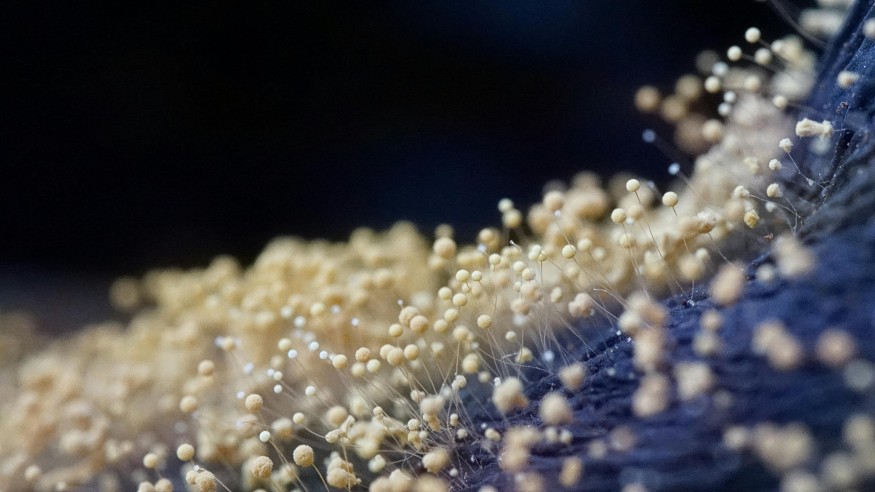
Food spoilage is often blamed on poor storage or old produce, but one organism is responsible for a surprising amount of global crop damage: Botrytis cinerea. Better known as the gray mold fungus, this microscopic invader infects hundreds of plant species and contributes heavily to fungal food spoilage worldwide.
Scientists have studied Botrytis cinerea for decades because of its ability to spread rapidly, survive harsh conditions, and destroy crops before and after harvest. From strawberries turning soft in refrigerators to grapes rotting in vineyards, this crop-destroying fungus has become one of agriculture's most persistent enemies.
Recent research is also revealing that the fungus may be far more intelligent and adaptable than previously believed.
What is Botrytis cinerea?
Botrytis cinerea is a fungal pathogen that attacks fruits, vegetables, flowers, and ornamental plants. It thrives in damp, humid environments and spreads using microscopic airborne spores.
The fungus is called gray mold because infected plants often develop a fuzzy gray coating during later stages of infection. Commonly affected crops include:
- Strawberries
- Grapes
- Tomatoes
- Blueberries
- Lettuce
- Roses
Unlike fungi that target only one species, Botrytis cinerea can infect more than 200 different plants. That flexibility makes it especially difficult to control.
According to a recent EurekAlert report covering research from the University of California, Davis, scientists found that the fungus may change its attack strategy depending on the plant it infects. Researchers say the fungus appears capable of responding to a plant's chemistry and activating different genes for different hosts.
That discovery could reshape how scientists develop disease-resistant crops in the future.
Why the Gray Mold Fungus Spreads So Quickly
One reason the gray mold fungus is so successful is its ability to reproduce rapidly. A single infected fruit can release enormous numbers of spores into the surrounding environment.
These spores spread through:
- Wind currents
- Rain droplets
- Human handling
- Storage containers
- Agricultural equipment
The spores can remain inactive until they encounter moisture and organic material. Once conditions become favorable, fungal growth can begin quickly.
Humidity is one of the biggest factors behind fungal food spoilage. Poor ventilation, crowded storage spaces, and excess moisture create ideal environments for fungal colonies to grow.
Even refrigeration does not fully stop the fungus. In many cases, spores survive cold temperatures and continue spreading slowly inside refrigerators or storage facilities.
Researchers have also observed that Botrytis cinerea can survive dormant for extended periods, making outbreaks difficult to predict.
How Fungal Food Spoilage Happens
Fungi survive by breaking down organic material. Botrytis cinerea releases enzymes that soften plant tissue and absorb nutrients from it. This process causes:
- Rotting
- Discoloration
- Soft spots
- Water-soaked patches
- Mold growth
Soft fruits are especially vulnerable because their skins are easier for fungi to penetrate.
In many cases, fungal food spoilage begins before produce reaches stores. Tiny infections may already exist during harvesting and become visible later during transportation or refrigeration.
The fungus creates enormous economic losses because it damages crops at multiple stages:
- In fields
- During shipping
- In warehouses
- In grocery stores
- Inside homes
A separate study highlighted by EurekAlert found that modern strains of Botrytis cinerea are evolving rapidly due to fungicide exposure and industrial farming practices. Some newer strains appear more resistant and adaptable than older versions preserved decades ago.
Why This Crop-Destroying Fungus Is Difficult to Eliminate
Farmers have long relied on fungicides to control outbreaks, but Botrytis cinerea continues adapting to many treatments.
Over time, repeated fungicide use can allow resistant strains to survive and spread. This creates major challenges for agriculture worldwide. Scientists say several traits make the fungus particularly dangerous:
Rapid Reproduction
The fungus produces spores continuously during active outbreaks.
Broad Host Range
It infects hundreds of unrelated plant species.
Environmental Flexibility
It survives in both warm and cold conditions.
Genetic Adaptability
It can alter its infection behavior depending on the host plant.
Because of these abilities, researchers increasingly view Botrytis cinerea as one of the world's most effective crop pathogens. Climate conditions may worsen the issue. Rising humidity and unpredictable rainfall can create environments where fungal outbreaks spread more easily. Greenhouses are especially vulnerable because moisture levels often remain consistently high.
How Scientists Are Trying to Stop the Gray Mold Fungus
Researchers are now exploring new strategies beyond traditional fungicides.
Current areas of study include:
- Disease-resistant crops
- Biological antifungal agents
- Genetic plant defenses
- Precision farming systems
- Targeted fungal disruption
Scientists are also investigating how the fungus communicates chemically with plants. If researchers can interrupt those signals, they may eventually reduce the fungus's ability to infect crops successfully.
According to plant pathology researchers cited in the UC Davis findings, older assumptions about fungal infections may have been too simplistic. Different crops appear to respond differently to fungal attacks, meaning future crop protection may require highly specialized approaches.
Can the Gray Mold Fungus Affect Human Health?
Botrytis cinerea mainly affects plants, but exposure to mold spores can still irritate people in certain environments. Possible effects include:
- Sneezing
- Eye irritation
- Allergic reactions
- Respiratory discomfort
People with asthma or weakened immune systems may be more sensitive to heavy mold exposure. However, the fungus is primarily considered an agricultural threat rather than a major direct human pathogen. The greater concern is often food waste. Millions of tons of produce are discarded every year due to fungal spoilage, contributing to economic losses and supply chain problems worldwide.
How to Reduce Fungal Food Spoilage
Although fungal spores are nearly impossible to eliminate entirely, several prevention strategies can reduce the risk of spoilage.
Helpful methods include:
- Keeping produce dry
- Improving air circulation
- Refrigerating foods quickly
- Removing damaged produce immediately
- Cleaning storage containers regularly
Farmers also use humidity control systems and crop monitoring tools to detect outbreaks early. Consumers can reduce household spoilage by checking produce frequently and avoiding overcrowded storage conditions.
Why Scientists Continue Studying Botrytis cinerea
Researchers believe the gray mold fungus remains one of the most important fungal pathogens because of its adaptability and economic impact. Its ability to infect hundreds of crops, evolve resistance, and survive difficult conditions makes it a serious long-term challenge for global agriculture.
As climate conditions shift and food demand increases, understanding fungal food spoilage may become even more critical for protecting food supplies worldwide. Recent studies suggest scientists may only now be beginning to understand how sophisticated this crop-destroying fungus truly is.
Frequently Asked Questions
1. What is Botrytis cinerea?
Botrytis cinerea is a fungal pathogen commonly known as the gray mold fungus. It infects more than 200 plant species and causes widespread crop damage and food spoilage.
2. Why is the gray mold fungus dangerous?
The fungus spreads rapidly, survives in many environments, and damages crops before and after harvest. It also adapts quickly to fungicides, making outbreaks difficult to control.
3. Can mold grow inside refrigerators?
Yes. Some fungal spores, including those from Botrytis cinerea, can survive cold temperatures and continue growing slowly in refrigerated conditions.
© 2026 NatureWorldNews.com All rights reserved. Do not reproduce without permission.


