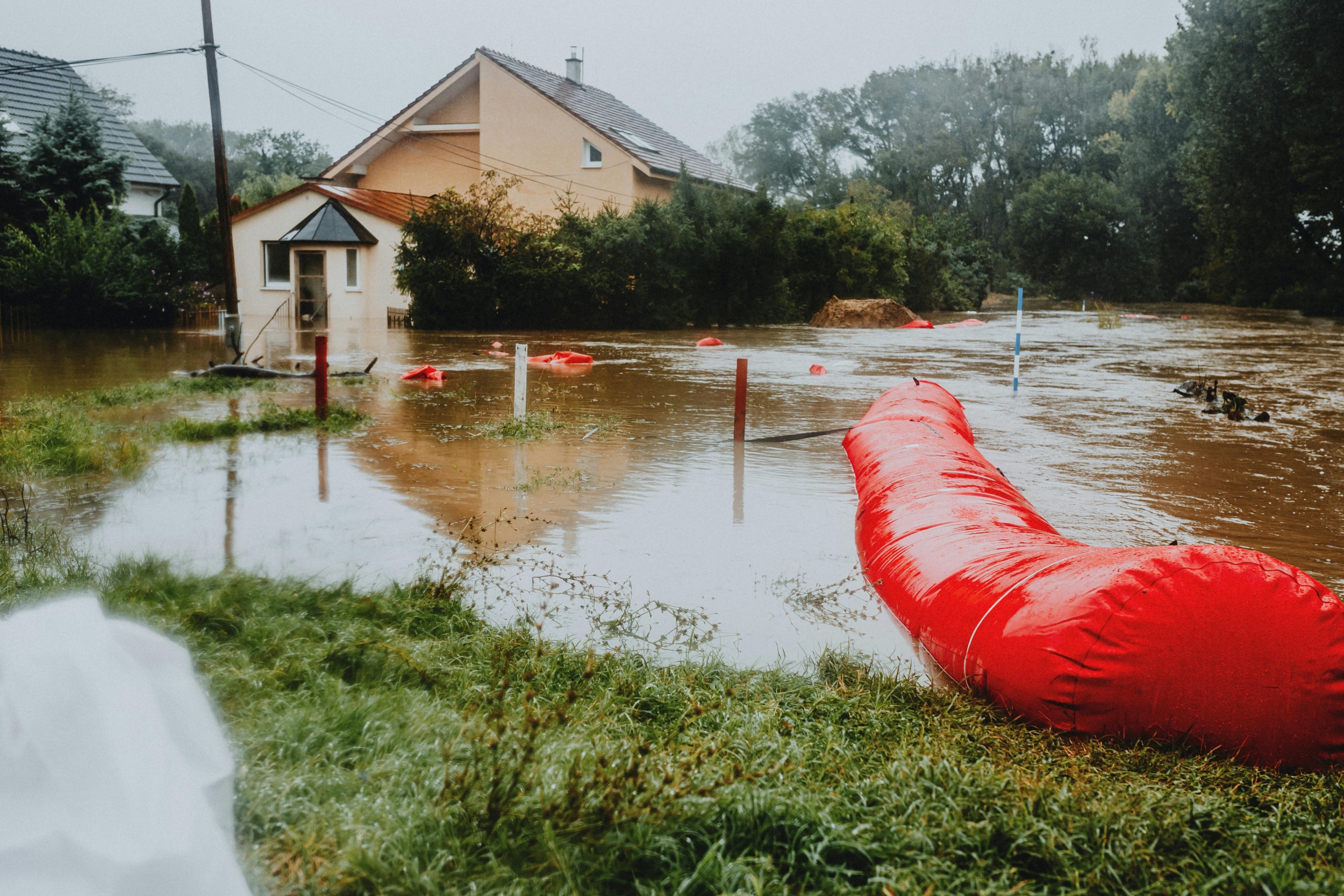
Floods disrupt lives and economies when heavy rains overwhelm rivers and drains. Flood prevention strategies combine nature's tools with human ingenuity to manage water flow and protect vulnerable areas from overflow damage.
Natural Flood Prevention Methods
Nature provides effective flood prevention through ecosystems that absorb and slow water. Riparian buffers, strips of trees and shrubs along riverbanks, act as natural sponges during storms. These zones trap sediment, stabilize soil, and reduce peak water speeds by filtering runoff before it reaches streams.
Communities restore wetlands to hold excess rainfall, mimicking pre-development landscapes. Reforestation adds root systems that bind soil and promote infiltration. Leaky dams made from wood slow streams without blocking fish migration.
Here are key natural methods:
- Riparian buffers: Plant native vegetation 30-100 feet wide to cut erosion and flood peaks.
- Wetland restoration: Revive marshes that store billions of gallons of water per acre.
- Tree planting: Dense woodlands intercept rain and release it gradually.
- Rain gardens: Depressions filled with plants soak up rooftop runoff in yards.
Experts at the Rivers Trust highlight how these approaches work with nature for sustainable results. Such methods lower costs over time compared to constant repairs after floods.
Man-Made Flood Prevention Approaches
Engineered solutions deliver quick flood prevention in high-risk zones. Dams control river levels by storing water upstream and releasing it in measured amounts. Levees and floodwalls rise above expected water lines to shield towns and farms.
Urban areas use retention ponds that capture stormwater from streets and parking lots. Permeable pavements replace concrete, letting rain seep into the ground instead of rushing into overwhelmed sewers. Sandbags and portable barriers offer temporary defense during alerts.
Numbered steps for building man-made defenses:
- Assess flood history and map high-risk zones.
- Construct levees with compacted earth and reinforced tops.
- Install pumps and channels to divert overflow.
- Monitor with sensors for early warnings.
The EPA notes rainwater recovery systems as smart additions to these setups. Regular checks prevent failures from debris buildup or erosion.
Water Management Techniques Explained
Water management ties flood prevention strategies together by handling water at its source. Contour farming plows fields along slopes to trap rain rather than send it downhill in sheets. Green roofs on buildings capture precipitation and cool cities in summer.
Cities upgrade sewers with larger pipes or separate stormwater from wastewater. Farmers adopt no-till practices to keep soil covered and absorbent. Rain barrels collect roof runoff for gardens, easing drain loads.
Effective water management tactics include:
- Permeable surfaces: Gravel driveways and porous concrete reduce impervious cover.
- Bioswales: Vegetated ditches along roads filter and slow street water.
- Cover crops: Plants grown off-season hold soil and boost infiltration.
- Drip irrigation: Delivers water directly to roots, cutting waste.
Organizations like SRF Consulting emphasize integrated plans that blend these with local geography. Riparian buffers enhance water management by recharging groundwater naturally.
Comparing Flood Prevention Strategies
Different settings call for tailored flood prevention. Natural options suit rural expanses, while cities lean on structures. Here's a breakdown:
- Natural strategies (e.g., riparian buffers, wetlands): Eco-friendly and self-sustaining, but slow to establish.
- Man-made strategies (e.g., dams, levees): Offer fast protection and scalability, though they involve costly upkeep.
- Water management strategies (e.g., ponds, green roofs): Versatile for urban use, but require community effort.
- Hybrid approaches (e.g., buffers plus levees): Provide balanced resilience, though planning-intensive.
Hybrids often outperform single approaches, as seen in post-storm recoveries.
Role of Riparian Buffers in Flood Control
Riparian buffers stand out in flood prevention for their multi-tasking power. These vegetated corridors along waterways slow floodwaters, trap pollutants, and prevent bank collapse. A 50-foot forested buffer can slash peak flows by half during intense rains.
Restoration starts with removing invasives and planting deep-rooted natives like willows and cottonwoods. Layers—trees atop shrubs atop grasses—maximize benefits. Beyond floods, buffers cool water for fish, filter farm chemicals, and build soil fertility.
Benefits in bullets:
- Reduce water speed by 60-90% in buffer zones.
- Store floodwater temporarily, releasing it slowly.
- Stabilize banks against erosion from waves or ice.
- Support biodiversity with habitat corridors.
Climate-ADAPT reports show restored riparian buffers aiding adaptation to wetter weather patterns. They pair well with water management for comprehensive defense.
Integrating Strategies for Communities
Successful flood prevention involves locals from the start. Zoning preserves floodplains as open space, while grants fund riparian buffers on farms. Schools teach rain garden building, turning yards into allies.
Governments model risks with software, prioritizing levee upgrades or wetland buys. Insurance discounts reward properties with water management features like sump pumps or elevated foundations.
Practical Steps for Homeowners
Individuals boost flood prevention around homes without big budgets:
- Grade yards to direct water away from basements.
- Add French drains to redirect groundwater.
- Plant riparian buffers near creeks.
- Elevate appliances and use flood vents.
These cut insurance premiums and speed recovery.
Future of Flood Prevention Strategies
By 2026, flood prevention strategies will incorporate AI for real-time forecasts and drone surveys for buffer placement. Climate shifts demand flexible designs, like adjustable levees. Water management evolves with smart meters tracking usage citywide.
Global examples inspire: Dutch polders blend dikes with meadows, while Singapore's canals handle monsoons. Riparian buffers gain traction worldwide for their low-tech reliability.
Essential Flood Prevention Strategies to Know
Flood prevention thrives on proactive mixes of riparian buffers, sturdy barriers, and smart water management. Communities applying these see stronger resilience against intensifying storms. Check local agencies for tailored advice to safeguard your area.
Frequently Asked Questions
1. What are the most effective flood prevention strategies?
Flood prevention strategies like riparian buffers, levees, and retention ponds top the list. Natural options slow water naturally, while man-made ones provide barriers; combining them yields best results.
2. How do riparian buffers help with flood prevention?
Riparian buffers slow streamflow, reduce erosion, and recharge groundwater to cut flood peaks. A typical 50-foot buffer can significantly reduce water speeds during storms.
3. What water management techniques prevent floods?
Water management includes permeable pavements, bioswales, and green roofs that infiltrate runoff at the source. These ease sewer overload and promote gradual release.
© 2026 NatureWorldNews.com All rights reserved. Do not reproduce without permission.


