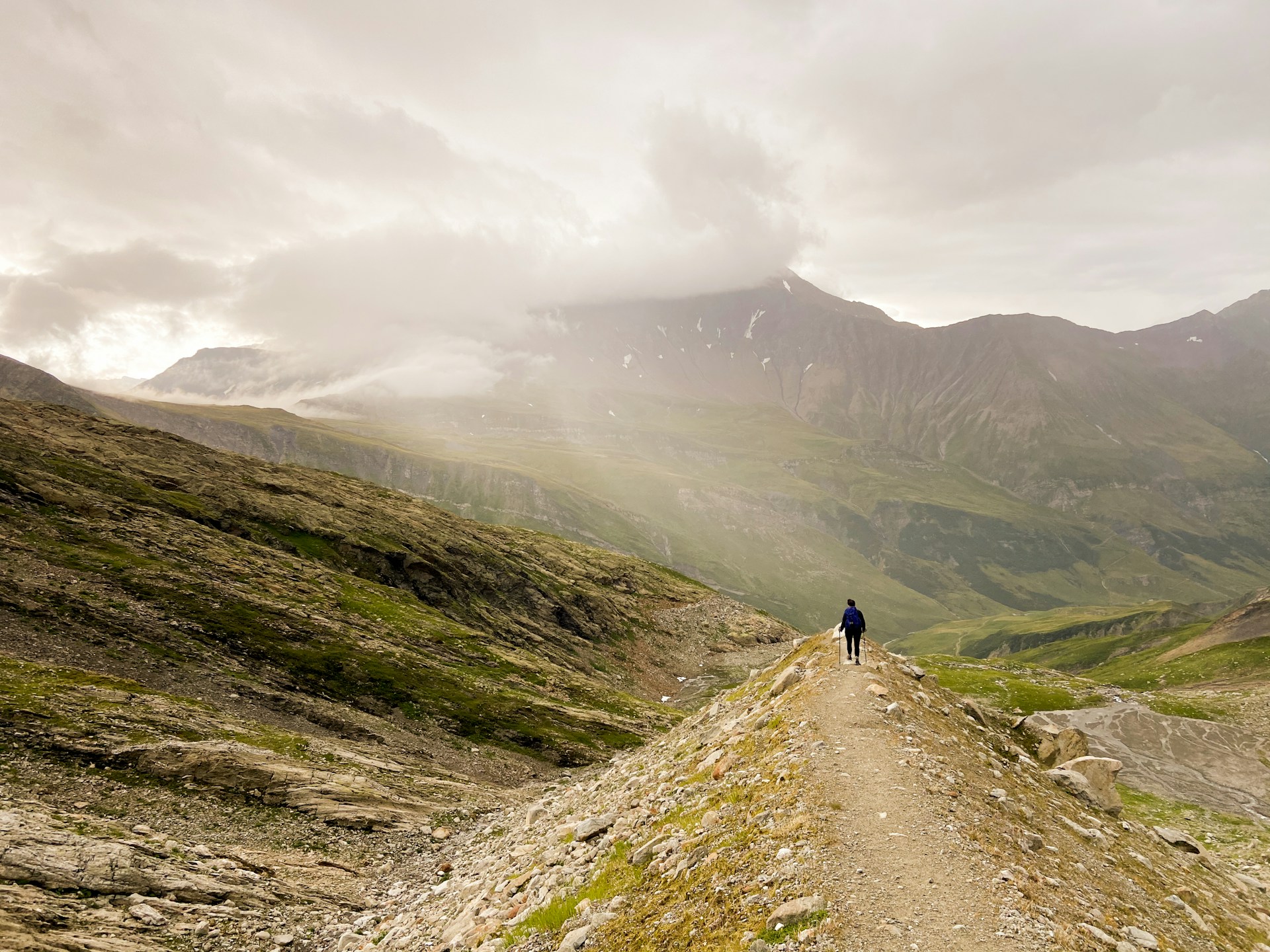
Mont Blanc sits at the intersection of Atlantic, Mediterranean, and Continental climate zones. The mountain's massive bulk—4,808 meters of vertical rock and ice—forces air upward, creating localized weather systems that can differ dramatically from regional forecasts.
This means weather apps showing "partly cloudy" for Chamonix might be accurate for the valley but completely wrong for the high passes you're crossing. The TMB operates in its own meteorological reality.
The Three-Country Weather Variation
The TMB crosses France, Italy, and Switzerland, and weather patterns differ noticeably. The Italian side (Val Ferret, Courmayeur area) tends drier and sunnier with Mediterranean influence. The French side sees more Atlantic weather—wetter and more variable.
The Microclimate Valleys
Individual valleys create their own weather. The Chamonix valley channels weather systems. Val Ferret stays protected. Champex sits in a sunny pocket. These microclimates mean conditions can be completely different just a few kilometers apart.
September Offers the Best Weather Window
July and August see the most hikers but also the most unstable weather. Afternoon storms are frequent and intense. September brings more stable high-pressure systems, clearer skies, and fewer thunderstorms.
The trade-off is shorter days and colder temperatures. But for weather reliability, September beats peak summer significantly. Early October can work but snow becomes more likely at high passes.
The Shoulder Season Gamble
June and late September are weather gambles. You might get perfect conditions or you might get multi-day storms. Snow can close high passes. But when conditions align, these periods offer solitude and spectacular weather without summer crowds.
For those wanting the TMB experience while minimizing weather risk, organized tour du mont blanc hiking tour groups often schedule departures for early September when weather is most stable while refuges remain fully operational.
Rain Gear Isn't Optional
Even in good weather windows, expect rain on the TMB. Multi-day stretches without precipitation are rare. Count on getting wet at least 2–3 days during a typical 10-day circuit.
Quality rain gear—jacket and pants—is essential equipment, not nice-to-have. The cheaper stuff fails quickly under Alpine conditions. Investment in proper waterproofing pays off in comfort and safety.
Temperature Swings Are Extreme
Valley temperatures in summer might reach 25–30°C. At 2,500-meter passes, expect 5–10°C. Add wind and precipitation, and effective temperature drops further. A single day might see 20-degree temperature variation.
Layering becomes critical. You'll start cold, warm up climbing, strip layers at the pass, then bundle up descending. This constant adjustment is part of TMB rhythm.
Wind Patterns Matter
Prevailing winds generally come from the west, hitting the French side first. This makes western sections windier and wetter. Eastern and southern sections see more protected conditions.
High passes like Col de la Seigne or Fenêtre d'Arpette can experience fierce winds that make progress difficult. If forecasts show strong winds, consider timing to cross passes early when winds are typically calmer.
Visibility Affects Navigation
Cloud and fog reduce visibility dramatically at high elevations. Trail markers that are obvious in clear weather disappear in fog. Navigation becomes challenging on featureless passes.
Carry map and compass even on this well-marked route. GPS or downloaded tracks provide backup when visibility drops. Don't assume good weather will last your entire trek.
How to Work with Alpine Weather
Starting early gives options. If weather deteriorates, you can stop. If it stays good, you can go farther. Late starts eliminate flexibility and force hiking through whatever conditions develop.
The TMB crosses high Alpine terrain where weather is inherently unstable. Understanding patterns, respecting forecasts, and maintaining flexibility turn weather from a source of stress into just another aspect of the mountain experience to navigate.
© 2026 NatureWorldNews.com All rights reserved. Do not reproduce without permission.


