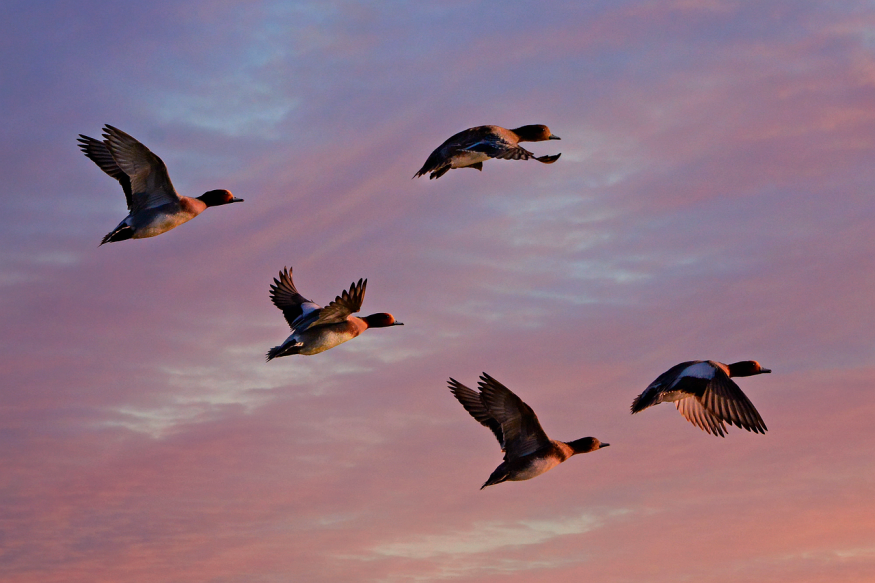
Climate change is reshaping the natural world, and one of the clearest signals lies in how animal migration is changing. As temperatures rise and weather patterns become less predictable, animals are adjusting when, where, and how they travel in order to survive. These changes reveal how closely animal migration, climate change, wildlife impacts, and shifting habitats are intertwined.
What Is Animal Migration and Why Does It Matter?
Animal migration is the regular, often seasonal movement of animals from one region to another in search of food, breeding grounds, or suitable climate conditions. Many birds, mammals, fish, and insects travel thousands of kilometers, following cues such as day length, temperature, and resource availability.
These journeys play a critical role in ecosystem health. Migratory animals transport nutrients, pollinate plants, control pests, and sustain food webs across continents and oceans. When climate change wildlife pressures alter these patterns, the effects ripple far beyond a single species.
Rising Temperatures and Shifting Seasons
One of the most visible climate signals is the shift in seasons. Warmer springs and milder winters cause plants to bloom earlier and insects to emerge sooner, altering the timing of key food sources. In response, many migratory species are departing breeding or wintering grounds earlier or arriving later than in the past.
These timing shifts can create a mismatch between migration and peak food availability. For example, birds that historically arrive when insect numbers are highest may now reach their breeding sites after the best food window has passed. This misalignment reduces reproductive success and survival, showing how tightly animal migration is linked to seasonal climate cues.
Shifting Habitats and Changing Ranges
As temperatures rise, many species are moving toward the poles or to higher elevations in search of suitable climates. This results in shifting habitats, where the historical range of a species contracts in some areas and expands in others. Forests, grasslands, wetlands, and marine ecosystems are all undergoing geographic changes that challenge established migration routes.
For migratory species, the familiar stopover sites and breeding grounds they relied on may no longer offer the same resources. Some animals are forced to find new routes or destinations, while others face shrinking safe spaces altogether. These range shifts show how climate change wildlife impacts are as much about habitat geography as temperature alone.
Extreme Weather and Environmental Instability
Climate change is also increasing the frequency and intensity of extreme weather events, including storms, droughts, floods, and wildfires. Migratory animals often travel through multiple regions, and each additional disturbance adds risk to already demanding journeys. Powerful storms can blow birds off course, drought can dry up critical wetlands, and wildfires can destroy resting and feeding areas.
These disruptions raise mortality during migration and can force animals to expend more energy on detours. Over time, repeated exposure to extreme events may reduce population sizes and make recovery harder, especially for species that already have small or fragmented populations.
Food Web Disruptions and Phenological Mismatches
Beyond direct weather effects, climate change disrupts food webs that migratory species depend on. When plants, insects, and plankton respond to warming at different rates than the animals that feed on them, a phenomenon known as phenological mismatch emerges.
Birds, fish, and mammals may arrive at traditional feeding grounds when the peak abundance of prey has already passed. In marine ecosystems, for instance, changes in plankton blooms can affect entire chains of predators, from small fish to whales. These mismatches illustrate how changes in timing can be as damaging as changes in temperature or habitat.
How Shifting Habitats Affect Wildlife and Ecosystems
When habitats shift, species do not move in perfect coordination. Some animals relocate quickly, others lag behind, and some cannot move at all. This uneven response can break ecological relationships, such as predator‑prey dynamics or plant‑pollinator partnerships.
These ecological changes can also affect people. As animals move into new areas, they may come into conflict with agriculture, fisheries, or urban development. In addition, shifting distributions of disease vectors and pests can influence human health and livelihoods.
Reducing Emissions and Strengthening Policy
Limiting greenhouse gas emissions remains essential for stabilizing the climate conditions that underpin animal migration. Slower warming gives species more time to adjust and reduces the rate at which habitats shift. At the same time, strong conservation policies can prioritize migratory species in national and international planning.
International agreements, such as treaties focused on migratory species, encourage cooperation across borders, since animals do not recognize political boundaries. These efforts, combined with local conservation actions, can help maintain the ecological connections that support migration.
Supporting Climate‑Resilient Animal Migration Patterns
As climate change wildlife impacts intensify, understanding and protecting animal migration becomes more urgent. Shifting habitats, altered seasons, and extreme weather are already transforming when and where species move, revealing the sensitivity of migration to environmental change.
By conserving key habitats, designing climate‑smart corridors, and reducing emissions, societies can help migratory animals continue their journeys and preserve the ecosystem services they provide.
Frequently Asked Questions
1. How does climate change affect non-migratory animals compared to migratory species?
Climate change disrupts non-migratory animals mainly by altering local temperature, food availability, and habitat structure rather than long-distance travel routes. Species that stay in one region year-round must either adapt in place, shift their daily or seasonal behaviors, or face population declines if conditions become unsuitable.
2. Can changes in animal migration patterns influence invasive species spread?
Yes, altered migration patterns and shifting habitats can create openings for invasive species to establish in new areas. As native wildlife moves or declines, vacant ecological niches and disturbed ecosystems can give invasive plants, insects, or predators a competitive advantage, further stressing local biodiversity.
3. How might altered migration patterns affect indigenous and local communities?
Many indigenous and local communities rely on predictable animal migration for food, cultural practices, and livelihoods, such as hunting, fishing, or ecotourism. When migration timing or routes change, these communities may face reduced access to traditional resources, economic instability, and cultural disruption, requiring adaptation in both practices and management strategies.
4. Are there technologies that help monitor climate-driven changes in animal migration?
Researchers increasingly use satellite tracking, GPS tags, automated acoustic recorders, and remote sensing to monitor animal migration in real time. These technologies reveal shifts in timing, routes, and habitat use, helping scientists and policymakers design more effective conservation measures that account for climate change wildlife impacts.
Originally published on Science Times
© 2026 ScienceTimes.com All rights reserved. Do not reproduce without permission. The window to the world of Science Times.


