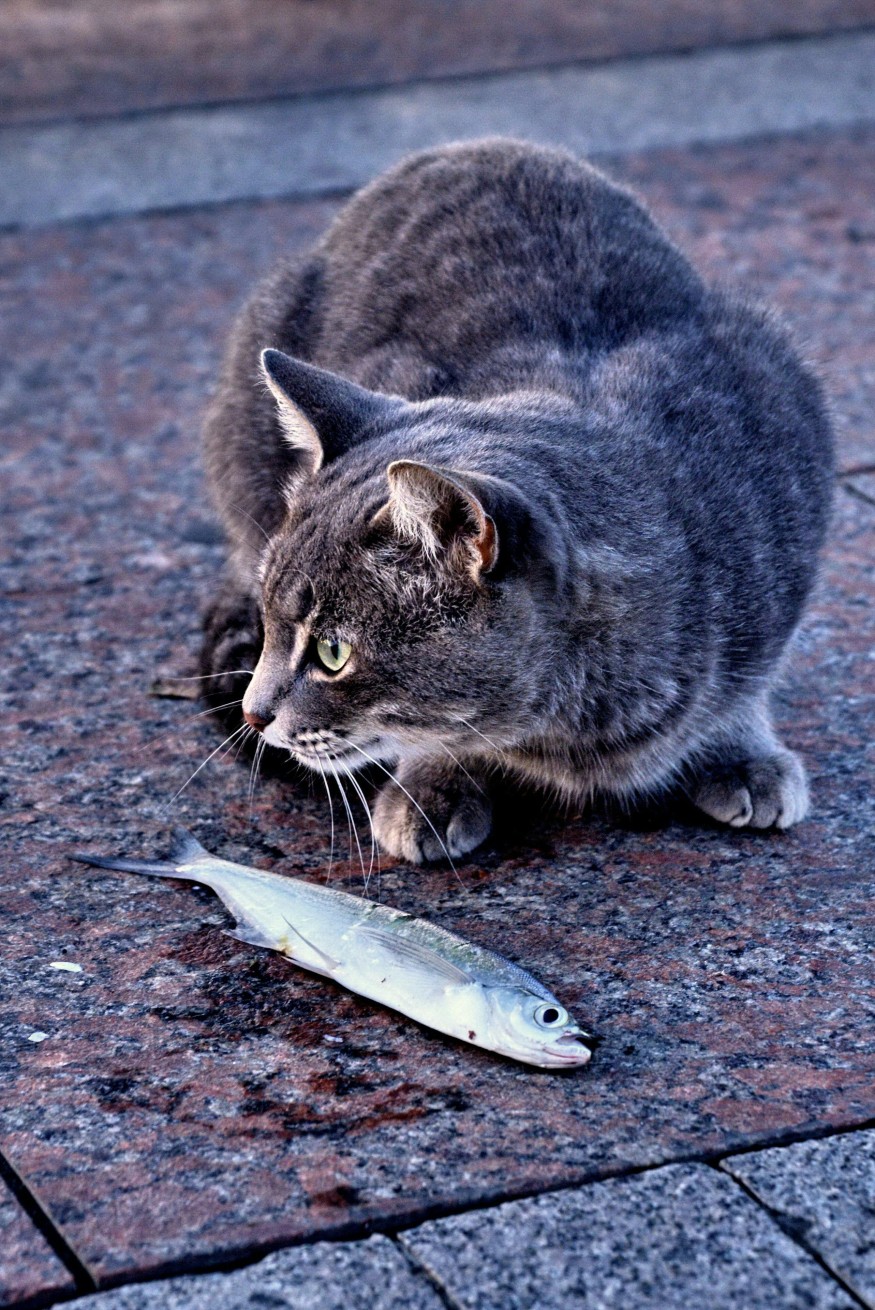
Cats frequently leave dead mice, birds, or lizards right at the front door or inside the house. This surprises many owners who wonder about the reasons behind why cats bring prey home. The behavior links straight to cat hunting behavior rooted in thousands of years of evolution as skilled predators.
Even pampered indoor-outdoor cats with full bowls keep hunting small animals. They drop off these catches not out of meanness but from natural drives that experts like veterinarians and animal behaviorists have studied for decades. Understanding this cuts down on frustration and helps manage it better.
Core Reasons Behind Why Cats Bring Prey Home
Domestic cats descend from African wildcats that hunted solo for survival. Those instincts linger today, pushing felines to chase anything that moves, whether a toy or a real critter. When they succeed, bringing the prey home makes sense in their world—it's the safest spot to eat without interference from other animals.
Vets explain that well-fed cats hunt for pleasure and practice, not calories. The home acts like a den where they stash food away from rivals. Mother cats pass it on by bringing weakened prey to kittens, sometimes treating humans the same way.
This doesn't always mean the cat plans to eat the prize right there. Sometimes they play with it first, releasing it to recapture for fun. Other times, the drop-off happens because owners react strongly, reinforcing the habit through attention. Across studies, territorial security tops the list as the main driver for why cats bring prey home.
Breaking Down Cat Hunting Behavior Step by Step
Cat hunting behavior unfolds in distinct phases that researchers have observed in both wild and pet populations.
- Seek Phase: Cats scan their environment—bushes, grass, or floors—for twitching tails or rustling leaves. Ears perk up, eyes lock on target, and the body tenses in anticipation.
- Stalk Phase: The cat drops low to the ground, moving silently with short, deliberate steps. Muscles coil like springs as it closes in, pausing to reassess if the prey shifts.
- Pounce Phase: An explosive leap launches with front paws outstretched to pin the target. This burst of speed catches most small animals off guard.
- Capture and Play-Kill Loop: Front claws secure the prey, often followed by batting it around to test escapes. A final neck bite ends it, though cats may prolong play for thrill.
Not every hunt succeeds, yet the brain rewards the effort with dopamine hits during search and stalk. That's why bored or understimulated cats ramp up outdoor prowls at dawn and dusk, prime times for rodents and birds. International Cat Careoutlines these steps clearly in their guides on feline instincts. Spaying or neutering tones it down slightly by curbing roaming, but the core urge stays lifelong.
Kittens pick it up from moms around four weeks old, starting with dead mice moved by the queen's mouth. By eight weeks, they pounce on live ones, building reflexes. Adults refine these skills endlessly, turning backyards into personal training grounds.
Do Cats Bring Prey Home as Gifts or Affection?
Popular lore paints these deliveries as loving presents, like a cat saying thanks for dinner. Some truth exists—bonded felines share kills with family in the wild, and humans fill that role. If your cat drops trophies at your feet, it might see you as a den mate needing a meal.
Behaviorists caution against over-romanticizing it, though. Cats prioritize practicality: home equals safety for storing uneaten portions. No other predators lurk inside, so the fresh catch waits without spoiling outdoors. Bonded cats pick familiar people over strangers for these drop-offs.
Attention plays a part too. A yelp or chase over the "gift" teaches the cat that humans react big, encouraging repeats. Less bonded cats leave kills elsewhere, proving trust factors in. Cats Protection dives into this sharing dynamic based on real owner reports.
Mother cats extend teaching to owners, assuming poor hunting form from lack of participation. This explains why some cats target sleeping owners or kids, mimicking kitten lessons. Across breeds, from Siamese to tabbies, the pattern holds steady.
Health Risks and Wildlife Impact to Watch
Active hunters stay fit, burning energy and sharpening senses through cat hunting behavior. Key concerns include:
- Raw prey carries ticks, fleas, or worms like toxoplasma that transfer easily to cats and humans.
- Local ecosystems suffer if neighborhoods overflow with prowlers, causing bird populations to drop fast in suburbs.
- Scratches from struggling prey can lead to infections if not cleaned promptly.
Regular vet deworming every three months keeps risks low, especially for multi-cat homes. Indoor enrichment cuts outdoor time, balancing instincts without harm. Owners in rural spots notice more rodents anyway, so cats fill a natural control role. Healthy cats rarely get sick from their kills, but monitoring stool and energy spots issues early. PetMDcovers these zoonotic risks in detail for worried owners.
Practical Steps to Reduce Prey Drop-Offs
Start with a bell or bird-safe collar that jingles during stalks, giving mice a head start. Studies show 30-50% fewer kills with these, though active cats adapt by hunting quieter prey. Combine with feather wands or laser pointers for 20-minute daily sessions mimicking real chases.
High-protein wet food satisfies fuller, dialing back urges slightly. Feed smaller meals more often to match wild eating patterns. Dawn and dusk curfews lock doors during peak activity, channeling energy into puzzle feeders instead.
Ignore the gifts completely—no scolding or thanks. Cats read silence as neutral, breaking the attention link over time. Outdoor catios or window perches let them watch wildlife without access. GPS collars track patterns, revealing hot spots to block.
For hardcore hunters, microchipping prey-proof bells or bitter sprays on entry points deter indoor deliveries. Play ramps up right before bed tires them out, cutting night hunts. Patience pays off; most adjust within weeks.
When Cat Hunting Instincts Reveal True Nature
Why cats bring prey home boils down to unerasable cat hunting behavior blending survival, play, and bonding. These moments highlight the feral spark in every house cat, bridging wild roots with home life. Owners who redirect it thoughtfully enjoy the best of both worlds—affection without the mess. Spot the next trophy and appreciate the predator's pride, then guide it toward toys for harmony.
Frequently Asked Questions
1. Why do cats bring dead animals home if they're well-fed?
Cats hunt due to instinct, not hunger. This cat hunting behavior provides mental stimulation, practice, and thrill, even with full bowls. They view home as a secure den for storing catches away from rivals.
2. Is a dead animal a gift from my cat showing love?
It can seem that way, as bonded cats share kills with family in the wild—humans included. More often, it's practical: a safe spot to eat or teach "poor hunters" like owners. PetMD notes cats may treat you like needy kittens.
3. How do I stop my cat from bringing prey indoors?
Use a bell collar to alert prey, play daily with toys to satisfy urges, and keep cats in at dawn/dusk. Ignore gifts calmly to avoid reinforcing the habit. Indoor enrichment redirects cat hunting behavior effectively.
© 2026 NatureWorldNews.com All rights reserved. Do not reproduce without permission.


