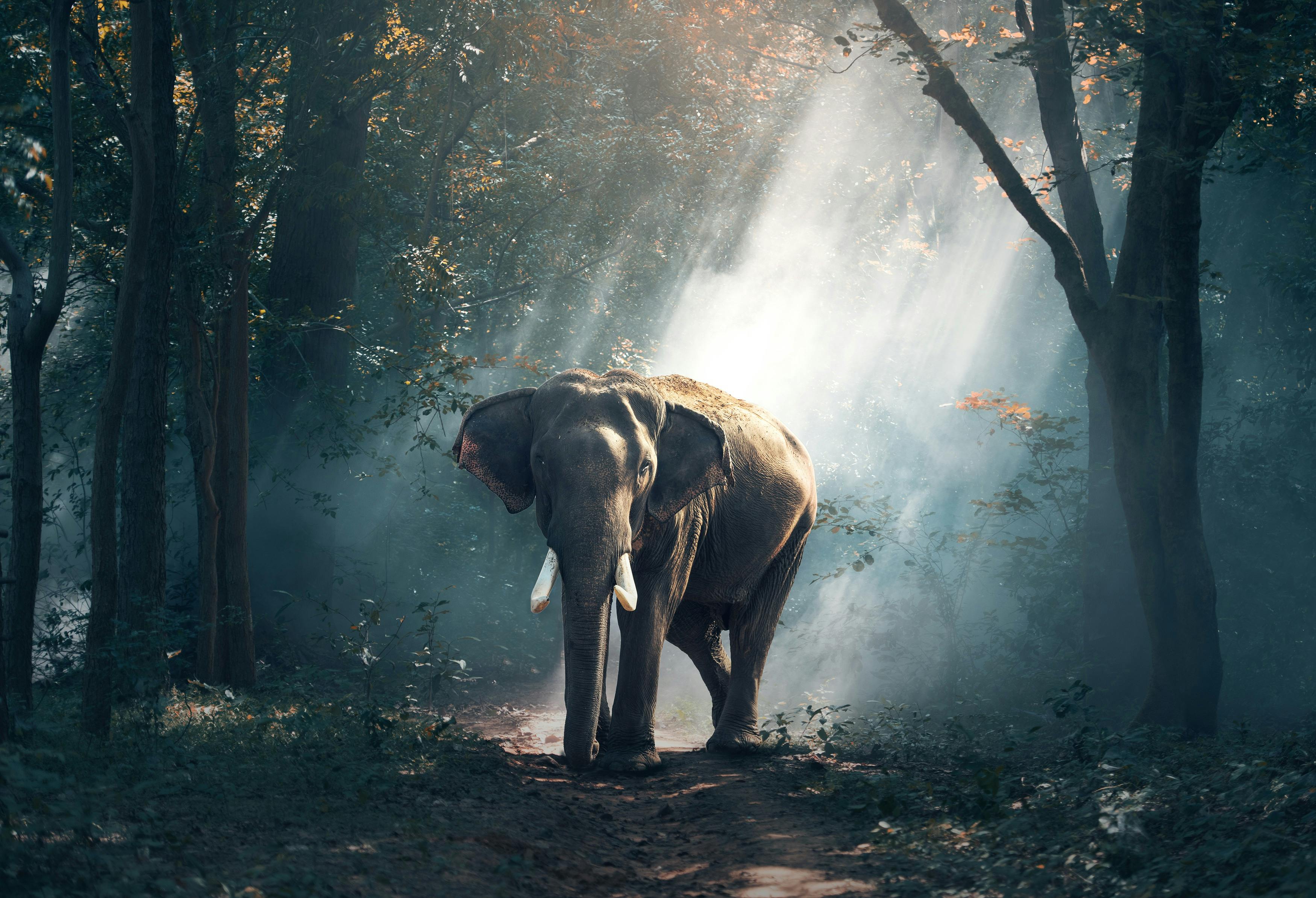
Wildlife corridors bridge fragmented habitats, enabling animals to move freely and maintain vital population health amid rapid environmental changes. These pathways enhance habitat connectivity, countering the isolation caused by roads, farms, and cities. They allow species to access food, mates, and safe zones, directly tackling the effects of habitat loss that threatens biodiversity worldwide.
What Are Wildlife Corridors?
Wildlife corridors consist of natural or restored land strips that link separated habitats, such as forests or wetlands. They take forms like underpasses beneath highways, vegetated greenways through urban zones, or widened riverbanks. These structures range from narrow paths 50 feet wide to broader belts supporting diverse species during travel.
In cities, simple features like fence gaps or tunnels guide small mammals and amphibians safely, reducing roadkill incidents. Habitat connectivity through these corridors prevents genetic bottlenecks in animal groups, ensuring healthier populations over time. Various designs adapt to local needs—overpasses for deer in mountainous areas or hedgerows for pollinators in farmlands. Planners often integrate native plants to provide food and cover along the way. This flexibility makes wildlife corridors viable in both rural and developed landscapes, fostering seamless movement patterns.
Why Habitat Connectivity Matters for Survival
Habitat loss fragments ecosystems, trapping animals in shrinking patches where inbreeding rises and extinctions loom. Wildlife corridors restore movement, boosting gene flow and cutting yearly extinction risks by up to 2 percent in linked areas. They allow access to food sources, mates, and refuge from threats like wildfires or floods.
Without strong habitat connectivity, species face halved mobility, amplifying dangers from shifting climates. Connected landscapes sustain biodiversity over isolated ones, with studies showing linked patches retain 14 percent more species. Animals in these networks adapt better to seasonal changes or disasters, dispersing seeds and controlling pests in the process. Larger home ranges become accessible, supporting migratory birds and wide-roaming carnivores essential for balanced ecosystems. The National Wildlife Federation points out how isolation speeds up declines in fragmented zones.
How Wildlife Corridors Function in Nature
Animals traverse wildlife corridors for foraging, breeding migrations, or fleeing disasters, with usage patterns varying by species. Corridors promote colonization rates up to 5 percent annually, helping populations rebound after disturbances. These pathways adapt to seasonal needs, ensuring populations remain resilient—bats follow linear woods at dusk, fish use connected streams. Habitat connectivity proves essential for long-term species persistence, as fragmented areas lose resilience quickly. Camera traps reveal heavy use by foxes, badgers, and even rare cats in well-designed corridors.
In practice, corridors mimic natural gradients, blending forest edges with open fields to suit mixed diets. They also buffer against edge effects like predation or wind, creating stable travel zones. This dynamic function keeps ecosystems functioning, from nutrient cycling to predator-prey balance.
Wildlife Corridors Examples Around the World
- Hedgehog Street (UK): Installs 13 cm gaps in fences, forming garden networks for nocturnal hedgehog travel and boosting urban habitat connectivity.
- Froglife Tunnels (UK): Under-road tunnels shield toads from traffic during mass breeding treks, with thousands crossing safely each year.
- Banff National Park Overpasses (Canada): Features 44 crossing structures since 1996, including 7 overpasses, reducing wildlife-vehicle collisions by 80% for grizzly bears, elk, wolves, and cougars.
- Yellowstone to Yukon (US/Canada): Spans 1.3 million square kilometers along the Rockies, linking habitats for grizzly bears, lynx, wolves, and caribou to enhance climate resilience.
- Terai Arc Landscape (India/Nepal): Connects 14 protected areas over 165,000 restored acres, doubling Bengal tiger numbers while supporting Asian elephants and rhinos.
- Mount Kenya Elephant Corridor (Kenya): An 8.7-mile underpass recreates historic routes, with hundreds of elephants using it yearly between parks and forests.
- Irvine-Laguna Wildlife Corridor (California, US): Weaves urban zones via creek beds and underpasses, aiding bobcats and coyotes from coast to mountains.
- Lower Rio Grande Valley Refuge (Texas, US): Links grasslands, forests, and wetlands for ocelots, green jays, and tortoises amid invasive challenges.
- Sawantwadi-Dodamarg (India): 37 km through forests and grasslands connects Bengal tigers, elephants, leopards, and rare plants across Maharashtra and Goa.
North American projects like those in Banff link national parks for grizzly bears and lynx, spanning thousands of acres to support viable groups. Australia's wildlife corridors connect eucalyptus forests, aiding koalas amid deforestation. Brazil's Cerrado savanna restoration reconnects grasslands nearly twice Manhattan's size. Conservation International details how this draws back giant anteaters and macaws through monitored paths. This aerial view shows a vegetated overpass spanning a highway, exemplifying how wildlife corridors like Banff's enable safe passage over human barriers.
Challenges Facing Wildlife Corridors Today
Roads, walls, and invasive plants block many potential corridors, limiting their reach. Urban expansion further strains these links, though overpasses and native plantings offer fixes. Community efforts, like shelterbelt tree rows, bolster effectiveness against barriers.
Monitoring tracks usage with camera traps, allowing adjustments for emerging climate pressures—droughts shift routes, demanding flexible designs. Funding remains a hurdle, but public-private partnerships unlock resources. Invasive species clog paths, requiring ongoing weeding to maintain openness. Predator hotspots near edges pose risks, addressed by varied widths and cover density. Policy gaps slow progress, yet zoning updates set precedents for mandatory links. These obstacles highlight the need for adaptive management to sustain habitat connectivity.
Ways to Support Wildlife Corridors Locally
Plant native shrubs along property edges to extend corridors into neighborhoods, creating instant links for birds and bugs. Advocate for green infrastructure in city planning to prioritize habitat connectivity during developments. Participate in citizen science apps that map animal movements, contributing data for better designs.
Join tree-planting events or fence-modification drives, mirroring Hedgehog Street's success on a backyard scale. Support policies protecting riverbanks and verges, key corridor spines. These grassroots steps amplify wildlife corridors' reach, turning fragmented suburbs into connected havens. Even balcony planters with native blooms aid pollinators, feeding into larger networks. Local impact scales up—neighborhood chains form regional lifelines, easing pressure on wild areas.
Key Takeaways on Wildlife Corridors and Habitat Connectivity
Wildlife corridors directly combat habitat loss by enabling essential animal movements across barriers, from urban tunnels to vast savanna links. Strong habitat connectivity sustains diverse, adaptable populations for decades ahead. Ongoing projects worldwide highlight their proven role in conservation success, offering hope against fragmentation. Gaia Company notes successes in places like Terai Arc for tigers.
Frequently Asked Questions
1. What Are Wildlife Corridors?
Wildlife corridors are strips of habitat that connect fragmented areas, allowing animals to move safely between isolated patches. They include underpasses, overpasses, greenways, or hedgerows, enhancing habitat connectivity amid urbanization and roads.
2. Why Do Animals Need Habitat Connectivity?
Habitat connectivity prevents inbreeding and extinction by enabling gene flow and access to resources.
Fragmented populations decline faster; corridors boost survival by up to 14% more species retention in linked areas.
3. How Do Wildlife Corridors Reduce Roadkill?
They guide animals over or under highways via structured crossings monitored by cameras.
© 2026 NatureWorldNews.com All rights reserved. Do not reproduce without permission.


