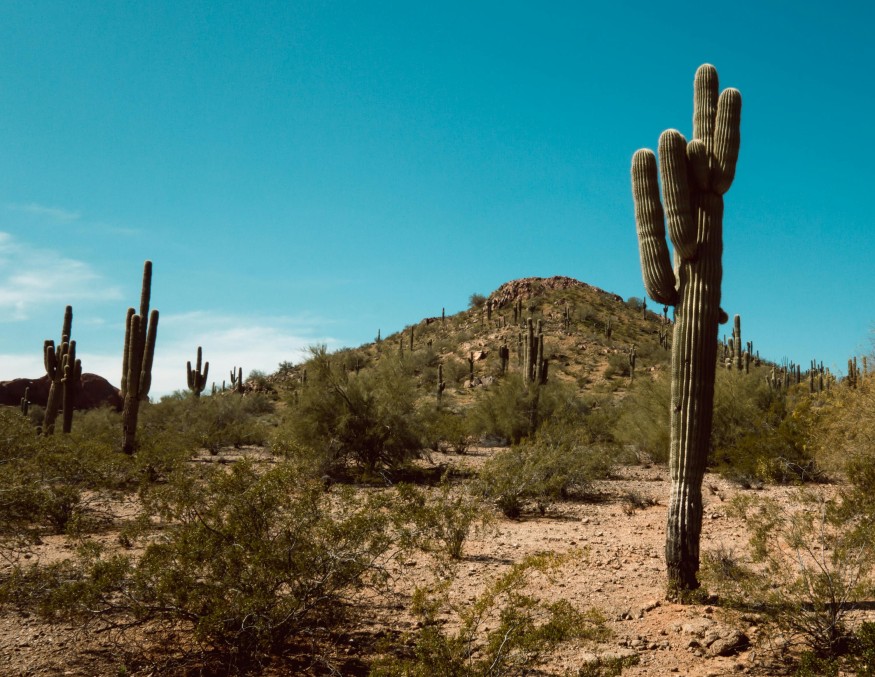
Extreme plants push the limits of survival in environments that would wilt ordinary greenery. Desert plants survival tactics stand out, with species enduring blistering heat and zero rainfall through clever adaptations like water-hoarding tissues and sun-repelling surfaces.
These tough species populate deserts, tundras, and salt marshes, proving life's tenacity. From cacti giants to low-lying shrubs, extreme plants showcase evolution's ingenuity. Their strategies not only sustain them but also inspire drought-resistant farming today.
What Enables Extreme Plants to Thrive in Harsh Worlds?
Extreme plants master survival through physical and chemical tricks refined over thousands of years. Thick, waxy cuticles coat leaves or stems, sealing in moisture against relentless evaporation. Some forgo leaves entirely, turning green bark into a photosynthetic powerhouse that slashes water loss by half.
Deep taproots plunge dozens of feet to hidden aquifers, bypassing parched surface soil. Others spread shallow roots wide to snatch every drop from flash floods. Desert plants survival often leans on CAM photosynthesis, where plants sip carbon dioxide at night when it's cooler, storing it for daytime use without opening pores to lose precious vapor.
Resurrection plants take this further, drying to brittle husks that look dead but revive with the first mist. Sugars in their cells act like antifreeze, stabilizing proteins during dehydration. These extreme plants dominate where rain might skip years, their seeds waiting dormant for the right moment.
In salty or acidic soils, specialized glands excrete excess minerals, keeping roots functional. Hormones trigger dormancy during stress, halting growth until conditions improve. Such flexibility lets extreme plants outlast competitors, claiming niches from volcanic slopes to frozen plains.
BBC Earth once highlighted how these survivors bend rules of biology, thriving where nothing else dares. Their quiet endurance reveals nature's blueprint for resilience amid shifting climates.
Which Extreme Plants Conquer Scorching Heat and Dry Spells?
- Saguaro cacti rule the Sonoran Desert, towering up to 50 feet with accordion-pleated arms that swell after rare rains. Each arm holds gallons of water, enough to survive two years without a drop. Spines deter thirsty animals while shading the stem, and shallow roots fan out 100 feet to capture runoff.
- These giants bloom vibrant flowers at night, drawing bats and moths for pollination. Fruits burst with pulp that sustained Native Americans for centuries. Saguaros live 200 years, their skeletons even enduring as nurse plants for seedlings.
- Creosote bushes carpet the Mojave, each bush a single organism from roots that clone themselves underground. Resin coats tiny leaves, killing microbes and blocking water loss. One California colony dates back 11,700 years, the oldest living thing on Earth.
- These bushes poison rivals with chemicals leached into soil, securing territory. During drought, they drop leaves and slow metabolism to a crawl. Desert plants' survival at its finest—chemical warfare meets extreme thrift.
- Welwitschia mirabilis haunts Namibia's Skeleton Coast, two strap-like leaves persisting for 2,000 years. They funnel fog into deep taproots, the only water source in a 1,000-year dry spell record. Wind shapes their ragged straps into alien forms, yet they pump out cones yearly.
How Do Extreme Plants Survive Bitter Cold and High Altitudes?
Arctic willow clings to tundra soils, growing just inches tall to dodge brutal winds. Woolly hairs trap a warm air layer, while dark leaf undersides soak up faint polar sun. It photosynthesizes at near-freezing temperatures, pushing through brief 50-day summers.
Roots anchor into permafrost, pulling nutrients from thawing layers. Tiny catkins burst early, ensuring seed spread before snow locks everything down. This low profile shields growing tips under winter's blanket.
Puya raimondii, the Queen of the Andes, spikes 35 feet high at 13,000 feet elevation. Sword-like leaves funnel meltwater to a bulbous base that stores years of sustenance. After a century, it throws one massive flower stalk, seeding before collapsing.
Spines deter llamas from nibbling, and dense rosettes capture heat like a solar oven. Freezing nights test its antifreeze sap, which prevents ice crystals from shredding cells. Extreme plants like this bet everything on one grand reproduction.
What Drives Desert Plants Survival in Waterless Wastes?
Desert plants' survival pivots on maximizing every scarce resource. Baobab trees inflate trunks to hold 30,000 gallons, like living water tanks. Thick bark resists fire, and roots sip from deep rock fissures.
During the day, leaves fold shut; at night, they breathe. Empty branches still photosynthesize, a trick called trunk photosynthesis. Fruits dangle year-round, feeding elephants that spread seeds via dung.
Tumbleweeds roll free at maturity, bouncing miles to scatter seeds where rain might fall. Spines snag passing animals for a lift. Resurrection ferns, common in arid crevices, shrivel to gray flakes, reviving emerald in minutes under dew.
Ocotillo whips sway in Baja winds, leafing out only after rain. Leafless stems handle 130°F scorchers through heat-reflecting wax. Tiny red flowers lure hummingbirds, trading nectar for pollen rides.
Key Lessons from Extreme Plants Adaptations
Extreme plants offer practical takeaways for gardens and agriculture. Mimic their mulching spines with gravel cover to cut evaporation. Choose succulents for low-water lawns, blending beauty with efficiency.
Rarest.org notes how studying these species fuels biotech for salt-tolerant crops. Pair deep-rooted natives with drip irrigation for urban oases that mimic wild resilience. As droughts intensify, extreme plants light the path forward.
Desert plants survival strategies blend patience, innovation, and opportunism. They remind us that toughness hides in plain sight, rooted deep against the odds.
Frequently Asked Questions
1. What are extreme plants?
Extreme plants refer to species adapted to survive harsh conditions like intense heat, freezing cold, drought, or poor soil. They use traits such as water-storing tissues and protective spines for desert plants survival in places like the Sonoran Desert.
2. How do desert plants survive without water?
Desert plants survival relies on deep roots, CAM photosynthesis, and succulent stems that store moisture for months. Examples include saguaro cacti and welwitschia, which capture fog or endure years of dryness.
3. Which plants handle extreme heat best?
Saguaro cacti and creosote bushes excel in scorching deserts like the Mojave. They minimize water loss through waxy coatings, small leaves, and heat-reflecting surfaces while thriving above 120°F.
© 2026 NatureWorldNews.com All rights reserved. Do not reproduce without permission.


