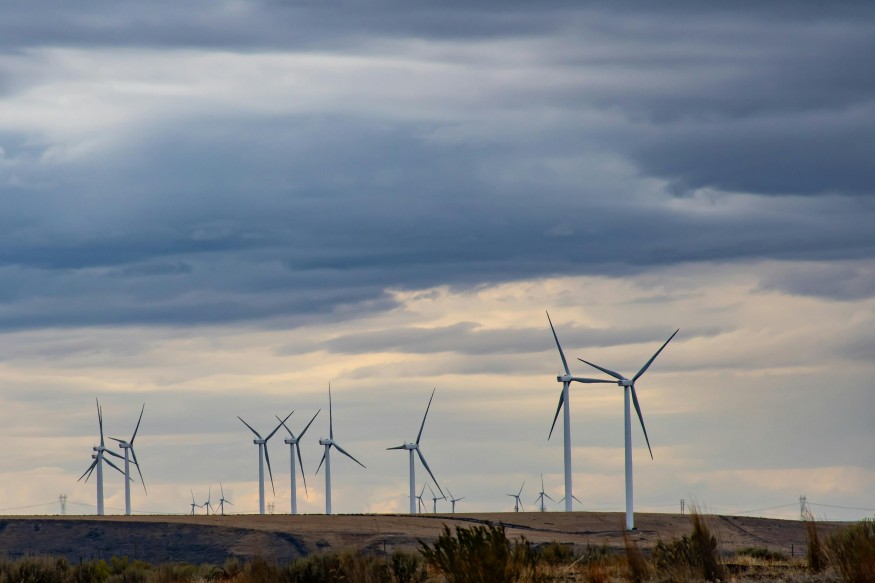
Renewable energy expansion accelerates across continents, slashing fossil fuel dependence while stirring debates over land, wildlife, and resources. Solar panels sprawl over deserts, wind turbines spin offshore, and their combined renewable energy impact reshapes the solar wind environment in ways both promising and challenging.
Introduction to Renewable Energy Impact
Nations race to triple renewable capacity by 2030, driven by pledges like those from COP28. Solar and wind dominate this surge, converting free sunlight and gusts into electricity that powers homes and factories. Yet renewable energy impact extends beyond power generation—it touches air, soil, water, and ecosystems in layered ways.
Solar arrays capture photons to produce direct current, while wind rotors harness kinetic energy from air currents. These processes emit no exhaust at runtime, unlike coal plants belching particulates. Still, full lifecycle scrutiny reveals nuances: from raw material extraction to decommissioning.
Global installations hit record highs in 2025, with solar leading in sunny regions and wind thriving along coasts. This shift cuts annual CO2 by gigatons, but prompts questions about habitat trade-offs in the solar wind environment.
Environmental Benefits in the Solar Wind Environment
Renewable energy impact shines brightest in emission cuts. A typical onshore wind farm offsets its build emissions within six months, then delivers decades of near-zero output pollution. Solar photovoltaic systems follow suit, avoiding the 1,000 grams of CO2 per kilowatt-hour tied to gas plants.
Air quality improves markedly. Wind turbines eliminate sulfur dioxide and nitrogen oxides that cause smog and respiratory issues. Solar avoids mercury releases from coal mining, protecting waterways and fish stocks.
Water savings add another layer. Fossil plants withdraw 7,500 gallons per megawatt-hour for cooling; photovoltaics and modern wind need none. This preserves aquifers in drought-prone areas, letting more water reach farms and cities.
Biodiversity rebounds indirectly. Stabilized climates mean fewer wildfires scorching forests or coral bleaching events wiping reefs. Cleaner skies revive insect populations, bolstering bird and bat food chains despite localized turbine risks.
Researchers at the University of Vermont highlight how these gains compound over time, with wind and solar proving 10 to 100 times cleaner per unit energy than nuclear or gas.
Negative Effects on Ecosystems and Land
Renewable energy impact includes stark downsides. Vast solar farms bulldoze native vegetation, fragmenting habitats for ground-nesters like tortoises or prairie dogs. In Spain's Jaén province, projects threaten 100,000 olive trees, sparking rural protests over lost farmland. Wind turbines claim bird and bat lives through collisions—estimates peg U.S. annual avian deaths at 500,000, though cats and buildings kill far more. Altered wind patterns disrupt migration corridors, stressing populations already hit by pesticides.
Mining scars the earth too. Neodymium for turbine magnets and silver for solar cells come from open pits that leach toxins into rivers. Processing emits as much CO2 upfront as a gas plant runs for months, delaying net-zero timelines.
Solar fields darken soils, slashing reflectivity and potentially warming local climates by 1-2°C. Offshore wind foundations stir seabed sediments, harming filter-feeders during construction. Waste piles up: by 2050, 78 million tons of blade and panel trash loom without scaled recycling. Euronews reports from 2025 note experts urging a rethink, as "green" labels mask these hidden costs in the solar wind environment.
Trade-Offs and Smart Mitigation Paths
Balancing renewable energy impact requires precision siting. Brownfields and rooftops host urban solar, sparing wildlands. Offshore wind sidesteps onshore sprawl, powering coastal grids with minimal visual blight.
Agrivoltaics blend panels with crops or grazing—sheep trim weeds under arrays in Minnesota pilots, boosting farm yields by 10%. Floating solar on reservoirs cuts evaporation while generating power, a win for water-stressed Asia. Tech advances curb harms. Radar-guided turbines slow during bird flights; recyclable composites replace fiberglass blades. Lifecycle extensions—repowering 20-year-old sites—slash new material needs.
Policies guide the way. Europe's mandates hit 90% panel recycling by 2030; U.S. incentives favor wildlife corridors around farms. Community vetoes in Australia halted desert projects, redirecting to industrial zones.
Earth.org's 2025 analysis stresses harm reduction: renewables' footprint dwarfs fossils', but strategic scaling maximizes solar wind environment harmony.
Pathways to Lasting Solar Wind Balance
Renewable energy impact evolves with innovation, tilting trade-offs toward net gains. Next-gen perovskites promise 30% efficient solar on flexible films; airborne wind kites tap high-altitude jets without towers. These leapfrog old limits, embedding cleaner production.
Global capacity doubled since 2020, yet grids need storage and wires to unlock full value. Hybrid solar-wind farms smooth output variability, stabilizing supplies without gas backups.
Stakeholders—from farmers to ornithologists—shape equitable growth. Transparent assessments precede builds, ensuring solar wind environment benefits endure. As adoption scales, the true renewable energy impact emerges: a cooler planet, resilient ecosystems, and energy security for billions.
Frequently Asked Questions
1. What are the main environmental benefits of solar and wind energy?
Solar panels and wind turbines generate power without emitting greenhouse gases during operation, drastically cutting CO2 compared to fossil fuels. They also save water—no cooling towers needed like in coal plants—and improve air quality by avoiding smog-causing pollutants.
2. Do solar and wind projects harm wildlife?
Yes, large installations can disrupt habitats; wind turbines pose collision risks to birds and bats, while solar farms may fragment ecosystems. Proper siting on degraded lands and tech like bird-detecting radars help minimize these renewable energy impact issues.
3. How much land does renewable energy require?
A solar farm needs about 5-10 acres per megawatt, and wind farms span 30-100 acres per MW due to turbine spacing. That's less total footprint than coal mining when factoring in full supply chains, though it affects the solar wind environment locally.
4. Are solar panels and wind turbines recyclable?
Most components are—up to 95% of solar panels and newer turbine blades can be recycled. Challenges remain with some composites, but programs in Europe aim for zero waste by 2030, easing end-of-life concerns.
© 2026 NatureWorldNews.com All rights reserved. Do not reproduce without permission.


