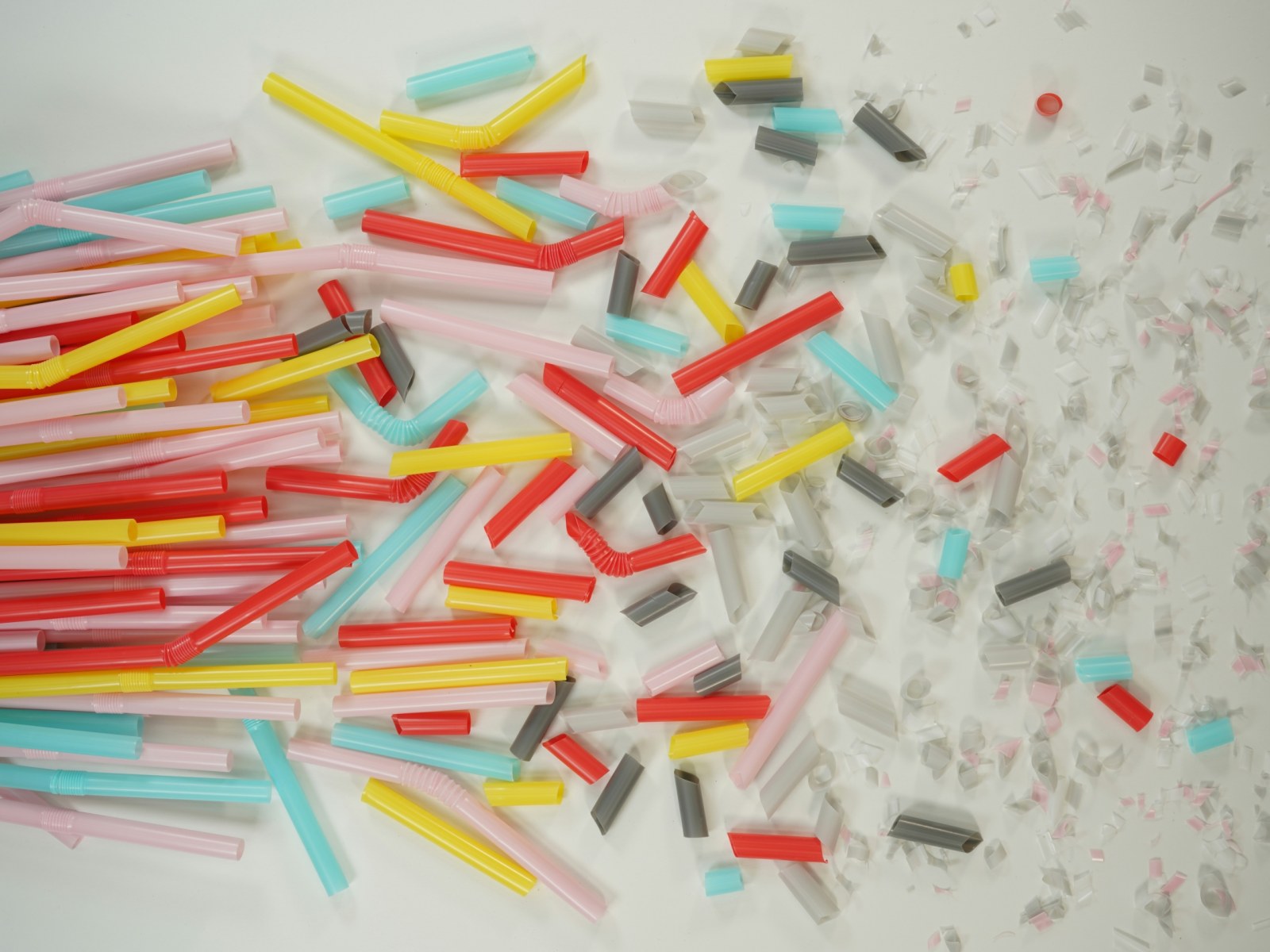
Microplastics pollution infiltrates drinking water sources globally, turning a basic necessity into a vector for water contamination driven by unchecked plastic waste. Recent studies pinpoint these tiny invaders in both tap and bottled supplies, with concentrations varying by region and treatment methods. Urban areas face higher exposure from wastewater overflows, while rural groundwater often shows lower but persistent levels.
What Are Microplastics and Their Main Sources?
Microplastics include any plastic fragments under 5 millimeters, categorized as primary particles like those in exfoliants or secondary bits broken down from larger plastic waste. Everyday activities release them—washing synthetic clothes sheds fibers, car tires grind particles into roads, and cosmetics once contained microbeads before bans took hold. Factories and landfills contribute through improper disposal, amplifying microplastics pollution that rivers then sweep into reservoirs.
Global plastic waste generation exceeds 400 million tons annually, much of it fragmenting into these persistent pollutants. Laundry alone accounts for up to 500,000 fibers per wash in some households, flowing straight to sewers. Tire wear adds billions of particles yearly to waterways, a fact highlighted in environmental reports tracking urban runoff.
How Does Microplastics Pollution Reach Drinking Water?
Pathways abound for microplastics to enter supplies. Wastewater treatment plants capture 90-99% in advanced setups but release traces in effluent dumped back into rivers. Atmospheric winds carry particles from distant landfills, depositing them in remote lakes. Agricultural fields fertilized with sewage sludge import fragments, which rainfall washes into streams feeding aquifers.
Bottled water fares worse, with production processes like bottle molding and cap handling introducing extras. A WHO review noted ranges from zero to over 10,000 particles per liter in samples worldwide. Plastic waste from packaging multiplies this, as bottles degrade during storage or transport, leaching into contents over time.
Urban rivers near industrial zones show concentrations up to 100 particles per liter before treatment. Even ocean desalination plants detect inflows contaminated by coastal plastic waste accumulation. These routes ensure microplastics pollution touches every stage of the water cycle, from source to tap.
Microplastics Levels in Tap versus Bottled Water
Tap water reveals microplastics in over 80% of tested global samples, averaging 4-5 particles per liter in U.S. cities, where fibers from textiles dominate due to widespread laundry runoff and urban textile use. European studies align closely, often identifying these elongated particles as the primary form linked to polyester sources. In contrast, groundwater benefits from natural shielding against surface flows, registering just 1-2 particles per liter on average, though levels spike near landfills or contaminated recharge zones.
Bottled water consistently carries a far heavier load, packing 10-100 times more microplastics—frequently exceeding 90 particles per liter—stemming directly from PET polymers in bottle construction. Lab analyses reveal fragments as the prevalent shape here, generated by friction during molding, filling, and cap twisting, alongside nanoplastics under 1 micrometer that evade typical detection. Common polymers like polyethylene appear more in groundwater spheres, while tap leans toward polyester fibers and bottled toward PET fragments, underscoring how processing and source exposure dictate composition.
Treatment plants equipped with microfiltration excel at removing larger pieces from tap supplies, yet nanoplastics often slip through finer meshes. Regional patterns sharpen the picture: Asia's densely populated rivers drive elevated tap concentrations, whereas North American facilities gain an edge from rigorous sludge management rules. These disparities highlight how plastic waste handling influences everyday water quality across diverse settings.
Health Implications of Water Contamination by Microplastics
Direct ingestion raises flags for gut disruption, as particles lodge in tissues and release bound toxins like heavy metals or pesticides picked up en route. Animal trials link high doses to inflammation, liver stress, and impaired reproduction, with nanoplastics crossing into bloodstreams. Human studies lag, but correlations emerge with rising plastic levels in placentas and lungs.
Bioaccumulation amplifies risks—fish consume particles, passing them up food chains to humans. Chemicals like BPA and phthalates leach from fragments, mimicking hormones and potentially fueling metabolic issues. Airborne fibers add inhalation exposure, settling in respiratory tracts.
Long-term data remains sparse, but early signs point to oxidative damage and immune responses. Populations reliant on untreated surface water face elevated threats from microplastics pollution hotspots. Filtered tap mitigates some intake compared to bottled alternatives.
Practical Ways to Minimize Microplastics Exposure
Home systems like reverse osmosis slash particles by 99%, targeting sizes down to 0.0001 microns. Activated carbon pitchers handle fibers well, ideal for apartments. Boiling then filtering tap water clumps microplastics for easier removal, a trick validated in lab settings.
Switching to stainless steel or glass reusables cuts bottled water reliance, dodging packaging-derived contamination. Laundry bags trap 80% of fibers, while air purifiers with HEPA snag airborne particles. Community beach cleanups and policy advocacy target plastic waste at its roots.
Wastewater innovations, like membrane bioreactors, promise plant-wide reductions. Individuals avoiding single-use plastics slow the cycle feeding water contamination. These steps collectively dial back personal exposure amid widespread microplastics pollution.
Cutting Microplastics Pollution at the Source
Tackling plastic waste upstream prevents downstream water contamination crises. Bans on microbeads slashed cosmetic inputs, proving policy works—similar moves now eye tire additives. Extended producer responsibility laws make companies accountable for product lifecycles, curbing landfill overflows.
Global pledges aim to halve plastic waste by 2040 through recycling mandates and biodegradable alternatives. Innovations like enzymatic breakdown dissolve fragments faster than nature allows. Everyday shifts, from cloth bags to natural-fiber clothes, compound into measurable drops in river loadings.
A Food & Water Watch petition underscores the push for EPA monitoring in U.S. systems. Stanford researchers warn of body-wide infiltration, urging faster action. These efforts signal progress against the tide of microplastics pollution.
Addressing Microplastics in Water Long-Term
Ongoing research refines detection, revealing nanoplastics as the real scale of water contamination. Investments in AI-driven filtration and satellite tracking of waste flows build resilience. Communities prioritizing source reduction see quicker gains in cleaner taps.
International standards harmonize treatment, closing gaps between regions. Public awareness drives demand for transparent labeling on plastics. With plastic waste curbed, microplastics pollution fades, safeguarding drinking water for generations ahead.
Frequently Asked Questions
1. Are microplastics harmful to human health?
Current evidence suggests low immediate risks from microplastics in drinking water, as most particles pass through the gut without absorption. Concerns focus on chemicals leaching from plastic waste origins, like BPA, potentially causing inflammation or hormone disruption over time. More human studies are needed to confirm long-term effects from ongoing water contamination.
2. How do you remove microplastics from tap water?
Reverse osmosis filters eliminate over 99% of microplastics down to nanoscale levels, outperforming basic carbon systems. Boiling water first causes particles to clump, making them easier to strain out—effective against fibers from laundry-related microplastics pollution. Always pair with certified filters to tackle water contamination effectively.
3. Do bottled waters have more microplastics than tap?
Yes, bottled water often contains 10-100 times more microplastics per liter due to PET plastic shedding during production and storage. Tap water averages 4-5 particles per liter post-treatment, while bottles exceed 90, linking back to packaging as a key plastic waste source. Opt for tap with home filtration for lower exposure.
© 2026 NatureWorldNews.com All rights reserved. Do not reproduce without permission.


