Environment
-

El Niño-Southern Oscillation Predictability Issues: 'Maritime Continent' Deforestation to Blame
During El Niño events equatorial trade winds blowing west weaken, causing changes in air pressure and wind speed that move warm surface water eastward from the western Pacific to coastal South America. This results in a deeper thermocline (the depth at which sea temperature rapidly changes) that prevents the normal upwelling of cooler, nutrient-rich waters, having devastating impacts on marine food chains, as well as local communities reliant upon the fishing industry.

Latest Research Articles
13,000-Year-Old Oak Tree in Danger as California Urban Development Proposal Covers Area, Advocates Worry
-

Climate Change A Potential Bottleneck In Penguins’ Annual Cycle, Study Says
-

Reducing Europe's Food Waste Can Lower Greenhouse Gas Emissions, New Report Shows
-

Somalia: State Of Emergency Declared After Heavy Rains Triggered Floods, Trapped Residents
-

Biochar Made From Crop Residues Offers a Path To Lower Atmospheric Carbon Dioxide
-

Boreal Forests Face Northward Expansion and Southward Contraction Due to Climate Change
-

Groundwater Pumping Reduces Global Aquifer Storage by 17 km3 per Year
-

Desert Greening Reduces Land Surface Temperature by 4°C
-

Urban Green Spaces Boost Well-Being and Health of City Dwellers, New Research Suggests
-

Canada's Alberta Wildfires 2023: 60% of Fires Were Human-Caused
-

Amazon Rainforest Could be the Next Source of World's Next Pandemic Due to Climate Change, Deforestation [Study]
-

Plastic Pollution In River May Carry Antibiotic Resistance Genes That Threatens Public Health, Study Says


MOST POPULAR
-
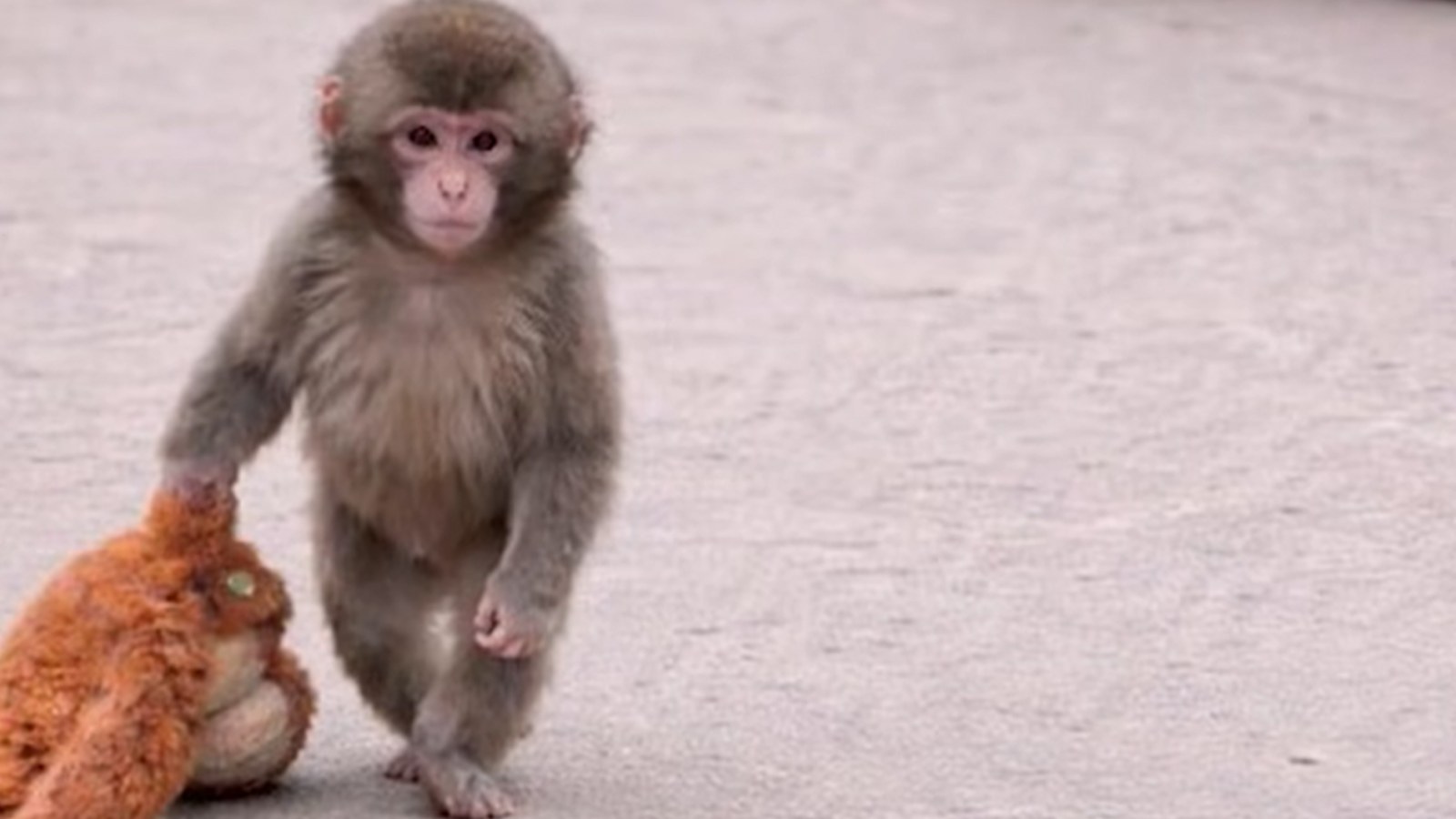
Why Mother Animals Abandon Their Offspring: The Case of Punch, an Infant Macaque
-

7 Climate Change Animals Showing Incredible Species Adaptation and Thriving in a Warming World
-

10 Fascinating Ways Trees Communicate Underground Through Mycorrhizal Networks
-

Climate Change Effect on Wildlife: How Shifting Habitats Are Transforming Animal Migration Patterns
-

PETA Condemns Viral Baby Monkey Punch's Zoo Conditions As IKEA's Stuffed Orangutan Toy Sells Out


