Environment
[VIRAL] Huge Skull Found On Jersey Shore Beach Is Actually Minke Whale Skull
A giant skull found by a State Park Police washed ashore the Island Beach State Park, New Jersey intrigued social media users as the skull looks like it was from a Pterodactyl reptile and was unusually huge.


Latest Research Articles
-

NASA Currently Working on Greener Aviation for Climate-Friendly Air Travel
Real Life Atlantis: 3 Underwater Cities that You Should Put in Your Travel List
-

Yellowstone Supervolcano Records 72 Earthquakes Last Month: Is Eruption Imminent?
-

Burning Cargo Ship Deposited Tons of Toxic Pellets on Sri Lanka Beaches
California Wildfire Destroyed 10,000 Redwood, Killing Off 10% of World's Sequoia Population
-

Record-Breaking Heat Wave: California Residents Brace for Triple-Digit Temperature
NASA Scientists Are Studying Lightning to Predict Hurricane Intensity
-

1 Dead, 16 Injured as Powerful Tornado in China Leaves Behind a Trail of Destruction
-

What Makes Mount Nyirogongo More Dangerous Than Other Volcanoes?
-

Enormous Sinkhole Suddenly Appears in the Middle of a Field in Mexico
Because Many are Transitioning to Electric, 7-Elevens Will Install 500 EV Charging Stations By 2022
-

Hurricane Season: Amazon to Assist With Quick Delivery of Disaster Relief Supplies


MOST POPULAR
-
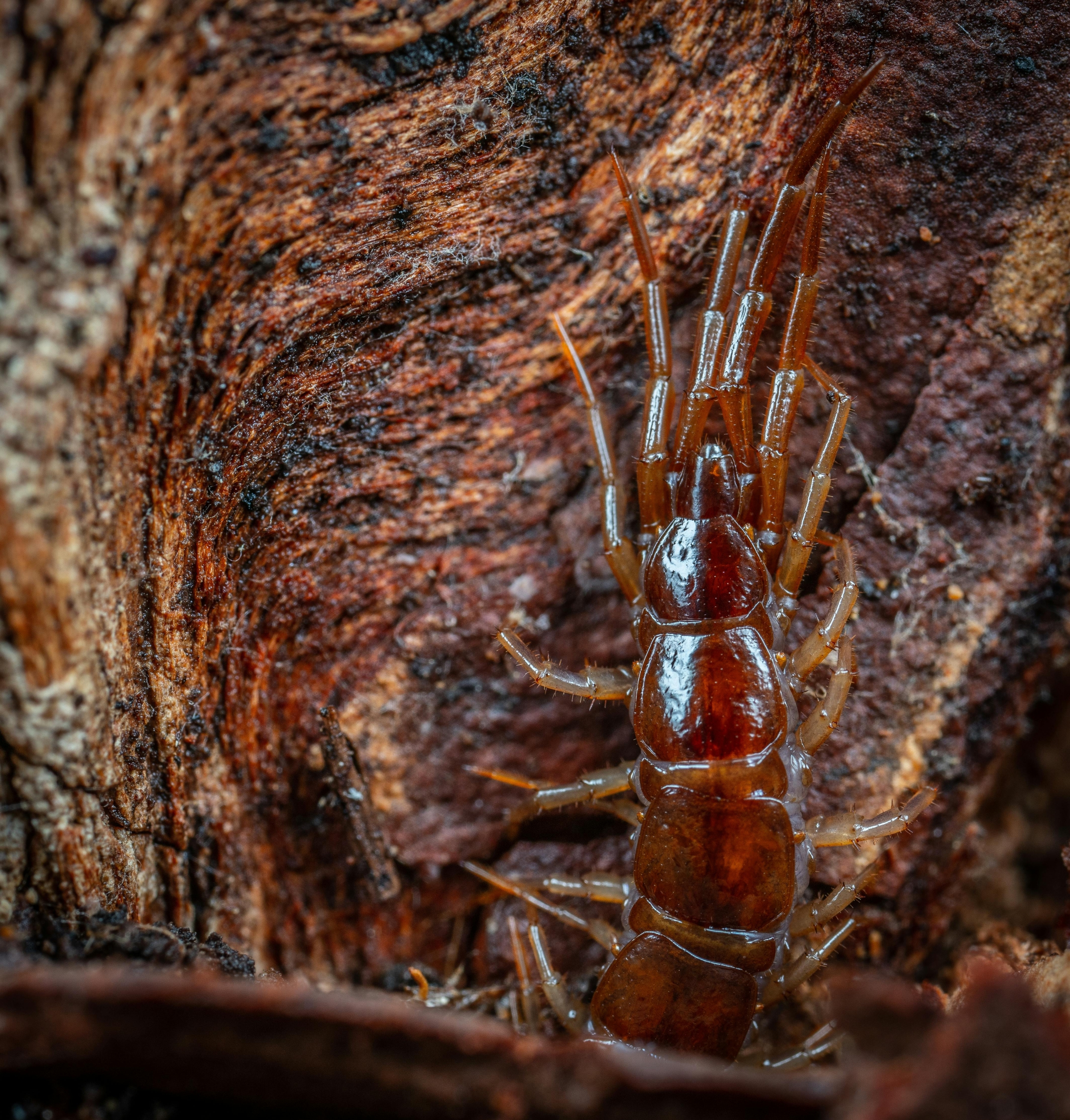
How Ancient Centipede Ancestors Conquered Earth's First Land Ecosystems
-

Plant Genome Duplication May Explain Flowering Plant Survival After the Dinosaur-Killing Asteroid
-

How Singing Mice Communication Could Unlock Secrets of Human Speech Evolution
-

How Drosophila enhydrobia Evolved Into a Bloodthirsty Underwater Fruit Fly Hunter
-

210-Million-Year-Old Ancient Crocodile Cousin Was Built to Crush Prey, Triassic Fossil Reveals


