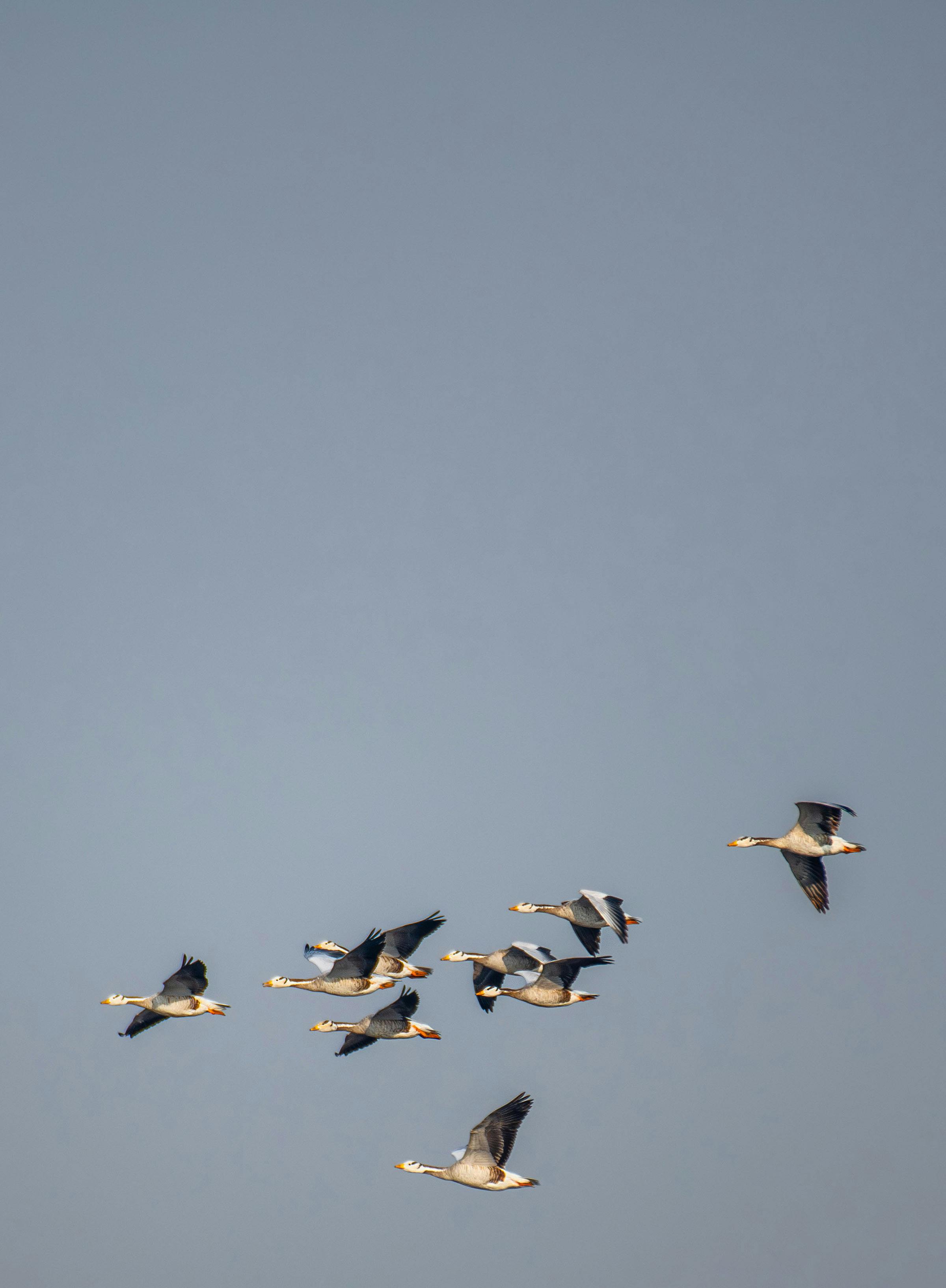
Animal migration showcases wildlife patterns finely tuned by seasonal adaptation, as species traverse vast distances to chase food, breed, and endure harsh shifts. These journeys, from Arctic tundras to equatorial waters, reveal nature's blueprint for survival.
What Sparks Animal Migration?
Animal migration drives species into motion when environments turn unforgiving. Wildlife patterns dictate these travels: birds flock south as days shorten, mammals roam for fresh grazing, and insects swarm on winds toward warmer climes. Seasonal adaptation kicks in through biological timers—daylight hours trigger hormones that pack on fat reserves and sharpen instincts for the road ahead.
Consider monarch butterflies. Each fall, generations embark from Canada and the U.S. to Mexico's mountain fir groves, a 3,000-mile odyssey spanning multiple butterfly lifespans. They navigate using the sun's arc and Earth's magnetic pull, their wings optimized for gliding efficiency. Caribou herds in North America follow suit, shifting 3,000 miles from Arctic calving grounds to sheltered forests, their hooves built for snow and tundra.
Wildebeest in Africa's Serengeti form the planet's largest land migration, a 1,200-mile circuit chasing rains that green the plains. Calves drop amid the chaos, timed perfectly with nutrient booms. These cycles aren't random; they're etched in DNA, honed over millennia to match planetary rhythms. Salmon amplify the drama, battling upstream to spawn in gravelly birth rivers, their bodies surging with energy for the one-way quest.
Why Animals Time Their Moves
Resources rule the why behind animal migration. Food dwindles in winter, breeding grounds freeze, and predators multiply in lean times—prompting wildlife patterns that prioritize survival. Seasonal adaptation ensures precision: animals bulk up pre-journey, molt for aerodynamics, or alter metabolisms to ration energy. Arctic terns, globe-trotters of the feather world, clock 44,000 miles yearly, flipping between poles for endless summer daylight and krill feasts.
Breeding pulls many northward in spring. Warblers swell North American woods after Caribbean winters, syncing eggs with insect hatches. Humpback whales trek 5,000 miles from Antarctic feeds to Hawaiian shallows, where calves learn ocean ways in calm tropics. Even jellyfish join, drifting gyre-spanning loops passively, yet arriving spot-on for plankton pulses.
Harsh weather adds urgency. Zebras and gazelles loop with wildebeest, dodging dry spells. Bar-headed geese top the Himalayas at 29,000 feet, blood cells swollen to snag scant oxygen. These feats underline how seasonal adaptation turns potential peril into routine triumph, sustaining populations across ecosystems.
As Britannica notes in its migration overview, mammals like elk and reindeer mirror birds in scale, their herds pulsing with seasons. The Open University highlights everyday examples, from swallows returning to Europe from Africa to dragonflies crossing the Atlantic on jet streams—proof that no corner of life escapes these patterns.
How Migrants Navigate and Adapt
Navigation wizardry powers animal migration. Stars, sun positions, and magnetic fields steer most travelers, with landmarks as backups. Wildlife patterns incorporate group wisdom—leading elders to imprint routes on young. Seasonal adaptation sharpens senses, from olfactory maps in salmon to polarized light vision in locusts.
- Celestial cues guide direction: Birds and insects use the sun's position during the day and stars at night as compasses, adjusting for time of day to maintain headings, as seen in night-flying warblers.
- Geomagnetic sensing acts like GPS: Many species, including sea turtles and salmon, detect Earth's magnetic field intensity, inclination, and polarity through cryptochromes or magnetite particles to pinpoint locations.
- Visual landmarks confirm routes: Coastlines, rivers, mountains, and familiar trails serve as checkpoints, especially near destinations; lesser black-backed gulls and elephants rely on these for final approach.
- Olfactory and chemical signals refine paths: Salmon home in on natal river scents, while some birds follow odor plumes; this integrates with other cues for precision.
- Social learning and collective memory: Young follow experienced elders in flocks or herds; caribou adjust winter ranges based on group survival data from prior seasons.
- Physiological tweaks boost endurance: Hollow bones and air sacs aid bird flight; fish enhance swim bladders; fat reserves build pre-migration for energy rationing.
- Behavioral shifts match conditions: Migrants climb thermals or favorable winds, time departures with weather, and reorganize body composition to cut non-essential costs.
- Map-and-compass integration: Animals first map position relative to goals using broad cues, then compass-orient with specifics like polarized light or grid cells in brains.
Travel modes diversify wildlife patterns. Flyers like bats exploit thermals; swimmers turtle-flop across Pacifics; walkers pace savannas. Drifters, from plankton to spiders ballooning on silk, hitch global currents. Climate change tests these systems now—earlier springs scramble cues, stranding migrants without meals. Sea ice melts force polar bears onto shrinking floes, while dams block salmon runs.
Farmstandapp.com details how seasonal wildlife migration patterns demand planning, from farmers fencing calving zones to cities building underpasses for herds. Rising barriers like sprawl and lights disrupt old paths, but corridors and dark-sky reserves offer hope.
Protecting Migration's Vital Pulse
Wildlife patterns thrive when humans step back. Protected flyways channel birds safely; marine sanctuaries shield whale highways. Wetland restores feed insect waves, while anti-poaching patrols guard wildebeest rivers. Tech aids too—satellite tags track tern loops, guiding policy.
Communities bridge gaps: Indigenous knowledge in Canada maps caribou trails, informing energy projects. Reforestation in Mexico cradles monarch groves against drought. These steps let seasonal adaptation persist, keeping ecosystems humming.
Animal migration endures as a testament to life's resilience. By honoring wildlife patterns, efforts secure these spectacles—ensuring terns still chase horizons, herds still thunder plains, and butterflies still paint the skies.
Frequently Asked Questions
1. What is animal migration?
Animal migration involves the seasonal movement of animals over long distances to find food, suitable breeding grounds, or milder weather. Wildlife patterns emerge as species like birds and butterflies follow predictable routes tied to seasonal adaptation.
2. Why do animals migrate?
Animals migrate to escape harsh winters, access abundant food, or reach breeding sites. These wildlife patterns ensure survival, with seasonal adaptation syncing movements to resource peaks, as seen in wildebeest chasing Serengeti rains.
3. How do animals know when to migrate?
Daylight changes and temperature shifts trigger internal biological clocks and hormones. Seasonal adaptation fine-tunes this timing within wildlife patterns, prompting Arctic terns to depart as ice advances.
© 2026 NatureWorldNews.com All rights reserved. Do not reproduce without permission.


