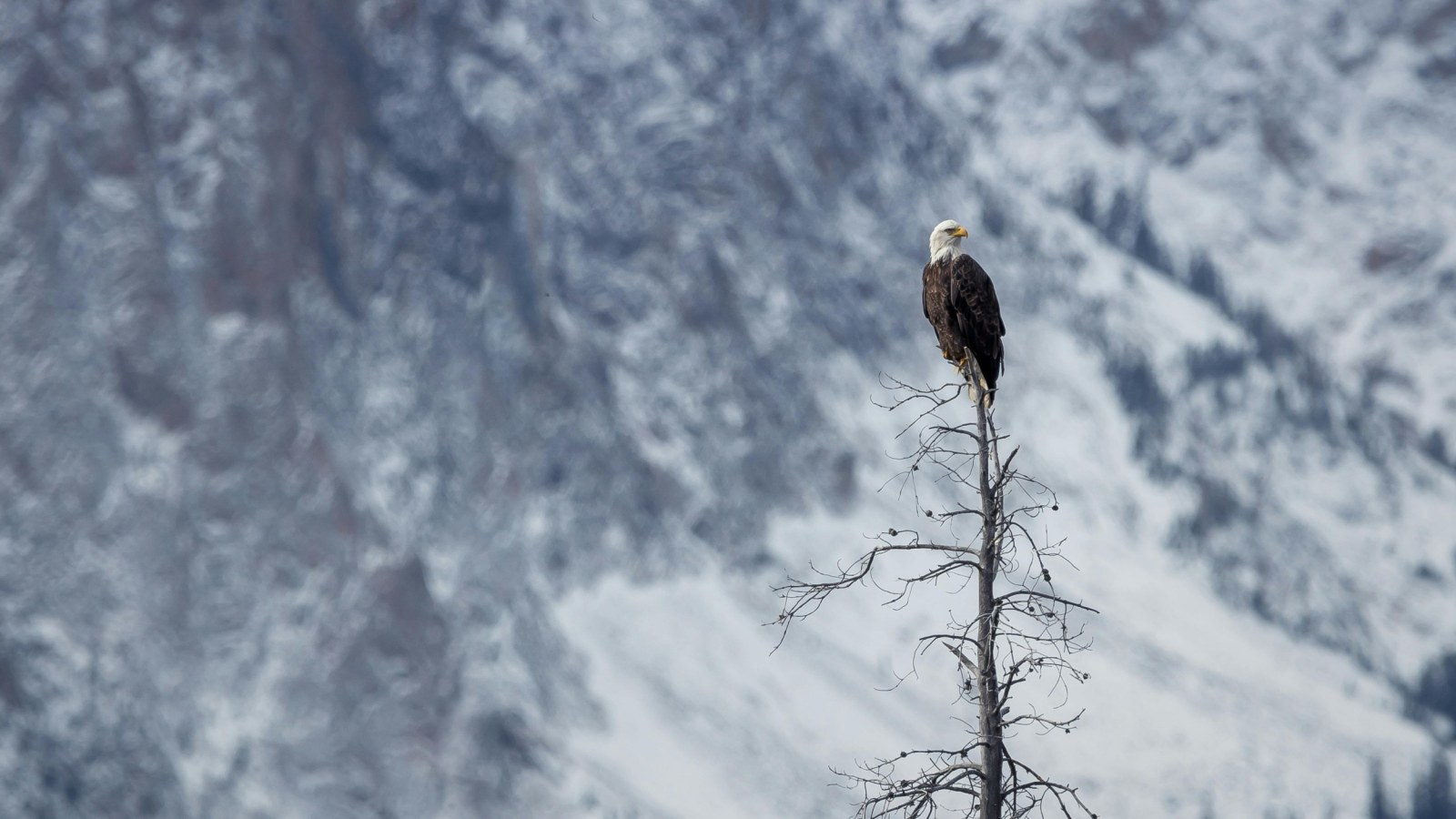
Endangered species recovery demonstrates the power of focused interventions to pull wildlife back from the brink. Wildlife conservation success stories reveal how habitat restoration, legal protections, and community efforts combine to rebuild populations and ecosystems.
Bald Eagle's Path to Abundance
The bald eagle's journey from near-extinction to thriving symbol of resilience began in the mid-20th century. By the 1960s, fewer than 500 breeding pairs nested in the contiguous United States, victims of widespread DDT use that thinned eggshells and habitat destruction from development. The pesticide accumulated in waterways, disrupting the eagles' fish-heavy diet and causing reproductive failures across generations.
Federal action changed everything. The 1972 ban on DDT marked a turning point, while the Endangered Species Act of 1973 provided ironclad protections against hunting and disturbance. Nesting platforms, constructed in remote wetlands, offered safe havens as water quality rebounded from pollution controls. Young eagles banded for tracking showed survival rates climbing steadily; by the 1980s, sightings multiplied along rivers and lakeshores.
Populations exploded thereafter. Nesting pairs surpassed 10,000 by 1990 and reached over 300,000 by the early 2000s, spanning from Alaska to Florida. The U.S. Fish and Wildlife Service delisted the bald eagle in 2007, a direct result of these wildlife conservation success measures. Today, they soar over restored wetlands, preying on abundant fish and rodents, a testament to endangered species recovery through science and policy.
Gray Wolf Reintroduction and Ecosystem Balance
Gray wolves faced relentless persecution in the American West, wiped out from Yellowstone National Park by 1926 through government bounties and rancher campaigns. Their absence triggered cascading effects: elk herds ballooned, overbrowsing willows and aspens, which starved beavers and songbirds dependent on those habitats.
In 1995, biologists airlifted 14 wolves from Canada into Yellowstone, followed by 17 more the next year. Initial skepticism gave way to observable revival. Packs formed territories, hunting elk selectively and reducing overgrazing; vegetation regenerated, rivers stabilized with beaver dams, and scavengers like grizzlies and ravens prospered from leftovers. Wolf numbers grew to over 100 in the Greater Yellowstone Ecosystem by 2020, with packs spreading into surrounding states.
This reintroduction exemplified wildlife conservation success beyond mere numbers. Biodiversity surged as prey adapted stronger vigilance, and even rivers shifted courses less dramatically due to stabilized banks. Challenges persist, including livestock conflicts managed through non-lethal deterrents like guard dogs and range riders. Yet the wolves' return underscores endangered species recovery's broader ripple effects, restoring trophic cascades that sustain entire landscapes.
California Condor Revival Through Captive Breeding
The California condor's plight peaked in 1987 with just 22 birds remaining in the wild, felled by lead poisoning from bullet fragments in carrion, power line collisions, and shrinking scavenging grounds. These massive vultures, with 9-foot wingspans, circled California's rugged mountains for millennia, cleaning ecosystems of dead animals.
A bold captive breeding program brought them back. The U.S. Fish and Wildlife Service and partners captured the last wild condors, pairing them in San Diego and Los Angeles zoos. Eggs incubated artificially hatched chicks raised by puppet heads mimicking adults to avoid human imprinting. By 1992, the first releases occurred in southern California, with tracking transmitters monitoring flights over vast releases in Arizona and Baja California.
Over 500 condors have flown free since, with wild populations exceeding 300 by recent tallies. Banning lead ammunition in key areas slashed poisoning deaths, while artificial roosts and feeding stations bridged gaps. Juveniles now fledge successfully, pairing and nesting in cliffs, signaling self-sustaining growth. This endangered species recovery blends cutting-edge veterinary care with habitat safeguards, proving long-term commitment yields soaring results.
Humpback Whale Global Resurgence
Humpback whales endured savage commercial whaling from the 1800s, their massive size and blubber yielding fortunes in oil and meat. By the 1960s, fewer than 5,000 remained worldwide, a fraction of historic millions breaching in every ocean.
International resolve ignited recovery. The 1966 moratorium by the International Whaling Commission halted factory ships, enforced by naval patrols and satellite monitoring. Calving grounds off Hawaii and migration routes along the U.S. East Coast saw calves multiplying. Entanglement nets posed new threats, but disentanglement teams and acoustic deterrents curbed losses.
Numbers rebounded to about 80,000 globally, with North Atlantic populations approaching pre-whaling levels around 25,000. Songs echoing through depths grow more complex as social groups reform. Reduced ship speeds in feeding zones further bolster survival. These wildlife conservation success stories in marine realms highlight endangered species recovery via global cooperation, filling oceans with acrobatic breaches once again.
American Alligator Sustainable Boom
American alligators teetered on collapse by the 1960s, poached for hides that fetched high prices in fashion markets. Louisiana's bayous once teemed with them, but market hunters left swamps silent.
The Endangered Species Act listing in 1973 stopped the slaughter cold. Strict trade bans and armed patrols allowed nests to produce hatchlings undisturbed. Females guarded mounds fiercely, and juveniles thrived in predator-free early years. Populations rocketed past 5 million in the Southeast by the 2010s, prompting delisting in 1987.
Managed hunts now generate funds for wetland preservation, balancing human needs with nature. Alligators engineer habitats by digging holes that sustain fish and birds in dry spells. This turnaround embodies wildlife conservation success, transforming a hunted resource into a keystone species bolstering Everglades health.
Strategies Driving Wildlife Recoveries
Multiple threads weave these triumphs. Legal frameworks like the Endangered Species Act shield species during vulnerable phases, banning take and funding recovery plans. Captive breeding multiplies rarities, with genetic banks preserving diversity against inbreeding.
Habitat restoration tackles root causes—riparian fencing for wolves, lead bans for condors. Public engagement shifts attitudes; school programs and ecotourism fund patrols and research. Metrics track progress: IUCN Red List down listings signal gains, though ongoing vigilance guards against backsliding.
International pacts amplify reach, from whaling treaties to CITES curbing pet trade. Technology aids—drones survey nests, AI analyzes songs. These layered approaches fuel endangered species recovery, proving humanity can mend its impacts.
Sustaining Momentum in Conservation Efforts
Black-footed ferrets claw forward from 18 survivors in 1986, reintroduced to prairies with prairie dog restoration. Iberian lynx numbers climb through fenced reserves and rabbit boosts in Spain. Community rangers in Africa shield rhinos from poachers, while coral reefs benefit from fishing closures.
Fresh challenges like climate shifts demand adaptation—shifting whale migrations, condor range expansions. Partnerships between governments, NGOs, and locals ensure resilience. Wildlife conservation success builds on these foundations, securing biodiversity's future through persistent, adaptive action.
Frequently Asked Questions
1. What does endangered species recovery mean?
Endangered species recovery refers to the process where populations of threatened animals rebound through conservation efforts, often leading to improved status on lists like the IUCN Red List. Wildlife conservation success stories, such as the bald eagle's delisting, show how habitat protection and pollution bans drive these gains.
2. Which animals made the biggest wildlife conservation success comebacks?
Bald eagles surged from under 500 pairs to over 300,000 after DDT bans, while gray wolves restored Yellowstone's balance post-1995 reintroduction. California condors and humpback whales also highlight endangered species recovery via breeding and whaling moratoriums.
3. How does the Endangered Species Act support recovery efforts?
The Act provides legal protections, funding for recovery plans, and habitat safeguards, credited with reviving species like the American alligator, delisted in 1987 after populations hit 5 million. It enforces bans on harm, enabling natural rebounds.
4. What strategies lead to successful endangered species recovery?
Key tactics include captive breeding, as with condors; reintroduction, like wolves; and policy changes, such as lead ammo bans. Community involvement and international treaties amplify wildlife conservation success across ecosystems.
5. Are there recent examples of wildlife conservation success?
Black-footed ferrets expanded from 18 survivors in 1986 through prairie restoration, and Iberian lynx populations grew via habitat fencing. Ongoing efforts sustain momentum against new threats like climate change.
6. How can individuals contribute to endangered species recovery?
Support involves reducing plastic use for marine life, advocating for protections, and donating to NGOs focused on habitat work. Everyday actions like choosing sustainable products bolster broader wildlife conservation success.
© 2026 NatureWorldNews.com All rights reserved. Do not reproduce without permission.


