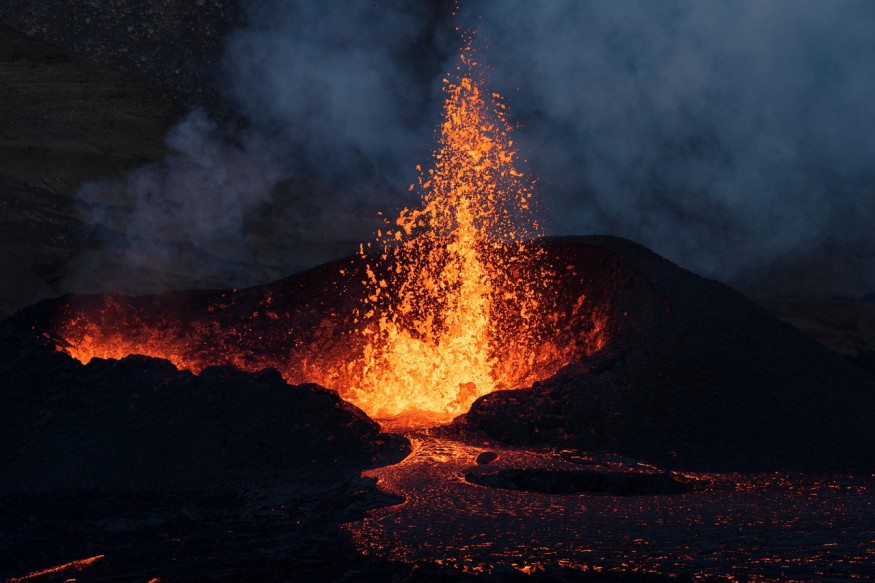
Volcanic eruptions represent one of nature's most powerful forces capable of altering global weather patterns and climate systems. When massive volcanoes eject billions of tons of gas and particles into the atmosphere, they create cooling effects that can lower Earth's temperature by several degrees for years. Understanding volcano climate impact helps scientists predict weather changes and explains historical climate anomalies that shaped human civilization.
How Do Volcanoes Affect the Climate?
The primary mechanism behind volcanic climate impact involves sulfur dioxide emissions that transform into tiny sulfuric acid droplets in the atmosphere. These aerosol particles reflect sunlight back into space before it reaches Earth's surface, reducing the amount of solar radiation that warms the planet.
Large explosive eruptions can inject 15 to 30 million tons of sulfur dioxide into the stratosphere, where particles remain suspended for months or years.
Volcanic ash also plays a role in blocking sunlight, though its effects typically last only days or weeks as heavier particles settle quickly.
The most significant climate impacts occur when volcanic eruptions reach the stratosphere, approximately 10 to 15 kilometers above Earth's surface. At this altitude, aerosols spread globally through atmospheric circulation patterns, creating worldwide cooling rather than regional effects.
Research shows that major volcanic eruptions can decrease global temperatures by 0.5 to 0.6 degrees Celsius. This temperature reduction affects weather science fundamentals by altering precipitation patterns, wind systems, and seasonal variations across continents.
Historical Examples of Volcanic Climate Impact
Mount Pinatubo's 1991 eruption in the Philippines stands as one of the best-documented cases of volcano climate impact. The eruption released 22 million tons of sulfur dioxide into the stratosphere, creating a global haze that lowered temperatures by approximately 0.5 degrees Celsius for nearly two years.
Scientists measured reduced sunlight, altered monsoon patterns, and cooler summers across multiple continents following this event.
The 1815 eruption of Mount Tambora in Indonesia produced the most powerful explosion in recorded history. The following year became known as "The Year Without a Summer," with crop failures, snow in June across New England, and widespread food shortages throughout Europe.
Temperature records show global cooling persisted for three years after the eruption, demonstrating how volcanic eruptions can trigger agricultural disasters and social upheaval.
Benjamin Franklin made the first scientific connection between volcanoes and climate after observing unusual weather following Iceland's Laki fissure eruption in 1784.
He noted persistent fog and colder winters in Europe, linking these phenomena to volcanic emissions carried by atmospheric winds. This observation laid the groundwork for modern weather science understanding of volcanic atmospheric interactions.
Why Do Volcanoes Cool the Earth?
Sulfate aerosols form the cornerstone of volcanic cooling mechanisms by scattering incoming solar radiation. When sunlight encounters these microscopic particles in the stratosphere, much of the energy reflects back into space rather than warming the surface.
This process reduces the total solar energy reaching Earth, creating measurable temperature drops that scientists monitor through satellite observations and ground-based instruments.
The effectiveness of volcanic cooling depends more on sulfur gas content than total eruption size. El Chichón's 1982 eruption in Mexico demonstrated this principle by producing significant climate effects despite being smaller than other eruptions, primarily because it released high concentrations of sulfur-rich gases.
Weather science calculations show that sulfur dioxide converts to sulfuric acid droplets within weeks, forming a reflective layer that persists far longer than volcanic ash clouds.
Stratospheric haze formation amplifies the cooling effect by spreading particles across hemispheres through jet stream circulation. Unlike ash that falls within days, these aerosols remain suspended for two to three years, continuously reflecting sunlight and maintaining cooler global temperatures throughout this period.
Duration and Persistence of Climate Effects
Volcanic eruptions create immediate weather disruptions through ash clouds that block sunlight and reduce visibility for days or weeks.
These short-term impacts affect local and regional weather patterns, causing temperature drops and disrupting air travel. The ash settles relatively quickly, but sulfate aerosols continue affecting climate for much longer periods.
Medium-term cooling effects persist for several years as stratospheric particles gradually settle or break down.
Temperature monitoring after major eruptions shows cooling peaks approximately one year after the event, then slowly returns toward pre-eruption levels over three to five years. Weather science models track these changes to separate volcanic cooling from other climate influences like greenhouse gas emissions.
Long-term feedback mechanisms can extend volcanic climate impact for decades through ice-ocean interactions. When volcanic cooling increases polar ice coverage, the enhanced reflectivity of ice surfaces creates additional cooling that persists after aerosols dissipate.
Some research suggests massive prehistoric eruptions triggered volcanic winters lasting years or even centuries through these compounding effects.
Regional vs Global Weather Patterns
The location of volcanic eruptions significantly determines their weather science implications and geographic reach. Tropical eruptions near the equator typically affect both Northern and Southern Hemispheres as atmospheric circulation carries particles across latitudes.
Mount Pinatubo's equatorial location enabled its aerosols to spread worldwide, creating truly global temperature reductions.
Mid-latitude and high-latitude eruptions tend to produce hemisphere-limited effects, with particles remaining primarily in the hemisphere where the volcano erupted. These eruptions still impact vast regions but rarely create the worldwide climate changes associated with tropical volcanic eruptions.
Weather patterns shift differently depending on eruption location, with some volcanoes enhancing rainfall in subtropical zones while others disrupt polar vortex circulation during winter months.
Local weather effects near active volcanoes include volcanic fog known as "vog," which reduces air quality and creates hazy conditions for communities downwind. These regional impacts differ substantially from the global climate effects that capture scientific attention and affect weather systems across continents.
Volcanic Emissions and Atmospheric Chemistry
Different volcanic gases produce contrasting climate effects that weather science must account for when predicting eruption impacts.
Carbon dioxide released by volcanoes acts as a greenhouse gas that warms the atmosphere, but eruptions emit far less CO2 than the sulfur dioxide that drives cooling effects. The balance between these competing influences determines whether specific volcanic eruptions cause net warming or cooling.
Water vapor represents another significant volcanic emission, with some eruptions discharging massive quantities that temporarily increase atmospheric moisture. This additional water vapor can enhance precipitation patterns and contribute to flooding in regions hundreds of miles from the eruption site.
Atmospheric chemistry changes following major eruptions affect ozone concentrations, cloud formation processes, and the chemical reactions that regulate air quality globally.
The altitude volcanic plumes reach determines their climate impact duration and geographic extent. Tropospheric eruptions affect local weather but have limited climate significance as particles wash out quickly through precipitation.
Stratospheric eruptions inject materials above the weather layer where they persist and spread globally, creating the sustained climate effects that make volcanic eruptions significant factors in weather science.
Climate Change and Future Volcanic Impacts
Modern climate change may amplify the cooling effects of future large volcanic eruptions by up to 15 percent by 2100. As greenhouse gases warm the troposphere, this atmospheric layer expands upward, paradoxically allowing volcanic plumes from major eruptions to reach higher altitudes.
The stratosphere simultaneously cools under climate change, enabling aerosols to travel higher and spread more efficiently through accelerated wind patterns.
Smaller eruptions face the opposite effect, with the expanding troposphere blocking their plumes from reaching the stratosphere where global climate impacts occur.
This means volcano climate impact may become increasingly concentrated in the largest eruptions while moderate volcanic events lose their ability to affect worldwide weather patterns.
Weather science researchers continue studying these interactions to improve climate predictions that account for both human-caused warming and natural volcanic cooling.
Understanding Volcanic Weather Science
Volcano climate impact demonstrates nature's capacity to alter global temperatures through atmospheric chemistry and particle physics. Weather science has evolved from Benjamin Franklin's early observations to sophisticated satellite monitoring and computer models that track volcanic aerosols in real time.
These advances help societies prepare for agricultural impacts, temperature changes, and weather pattern disruptions following major volcanic eruptions.
The interplay between volcanic eruptions and climate remains an active research area as scientists work to distinguish natural cooling from greenhouse warming trends.
Understanding these mechanisms provides context for Earth's climate history and improves forecasts of future weather patterns in a changing world where both volcanic activity and human emissions shape atmospheric conditions.
Frequently Asked Questions
1. Can volcanic eruptions help reduce global warming?
While volcanic eruptions temporarily cool the planet by reflecting sunlight, the cooling effect only lasts a few years and cannot offset long-term greenhouse gas warming. The sulfate aerosols eventually settle out of the atmosphere, and temperatures return to their warming trend.
2. Do all volcanoes affect climate the same way?
No, only large explosive eruptions that inject sulfur dioxide into the stratosphere create significant climate impacts. Smaller eruptions and effusive lava flows typically produce minimal climate effects because their emissions remain in the lower atmosphere where particles quickly settle.
3. How do scientists predict the climate impact of a volcanic eruption?
Scientists use satellite measurements to track sulfur dioxide emissions and plume height, then apply computer models to forecast aerosol spread and temperature changes. The eruption's location, size, and sulfur content help determine whether it will cause regional or global cooling.
4. Are underwater volcanic eruptions different from land-based eruptions?
Underwater eruptions rarely affect climate because ocean water absorbs most gases and prevents them from reaching the stratosphere. Only extremely shallow submarine eruptions or those that break the surface can release enough material into the atmosphere to influence weather patterns.
Originally published on Science Times
© 2026 ScienceTimes.com All rights reserved. Do not reproduce without permission. The window to the world of Science Times.


