Dangerous invasive species reshape ecosystems faster than many natural forces. Once introduced, they spread aggressively, often outcompeting native plants and animals that evolved without their presence. Global trade, travel, and climate shifts have accelerated these invasions, turning local problems into worldwide ecological threats.
Ecosystem disruption caused by invasive species rarely stops at wildlife loss. Food webs unravel, water systems change, and economic costs surge as agriculture, fisheries, and infrastructure suffer. Understanding which invasive species are most destructive helps explain why prevention and management are now critical parts of environmental protection.
Dangerous Invasive Species List: The World's Most Destructive Invaders
Dangerous invasive species appear in many forms, from predators to plants, but all share the ability to overwhelm native systems. The list below highlights ten invasive species known for severe ecosystem disruption and long-term ecological threats.
1. Brown Tree Snake (Guam)
This arboreal predator eliminated multiple native bird and lizard species after its accidental introduction. With no natural predators, it spread rapidly across forests. Pollination and seed dispersal collapsed as birds vanished. Power outages also increased as snakes climbed electrical infrastructure.
2. Zebra and Quagga Mussels (Great Lakes)
These mussels filter massive amounts of plankton from the water, starving native fish species. Their sharp shells blanket shorelines and clog water intake pipes. Food chains shift as energy moves away from open water ecosystems. Cleanup and infrastructure damage cost billions.
3. Cane Toad (Australia)
Cane toads secrete powerful toxins that kill predators attempting to eat them. Native snakes, lizards, and mammals have declined after exposure. Their population exploded due to high reproduction rates. Ecosystem balance shifted as predators disappeared.
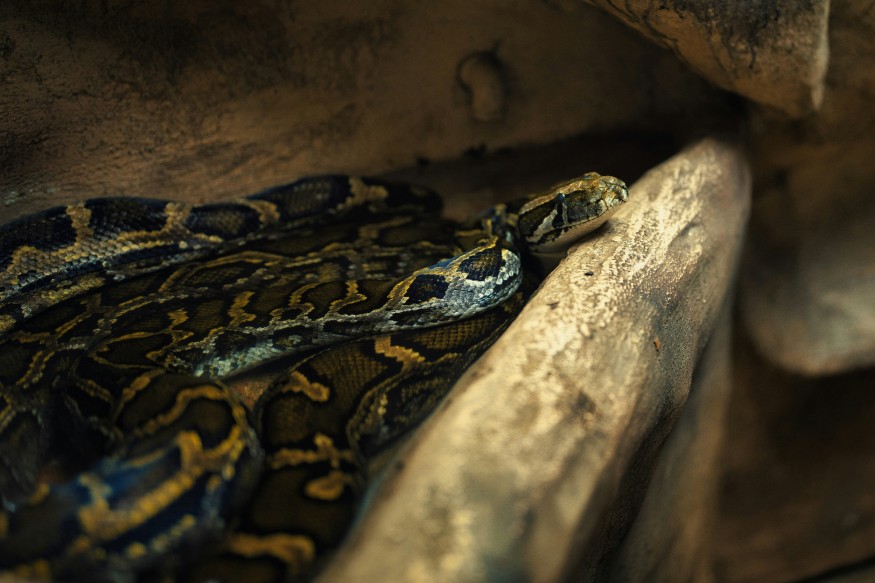
4. Burmese Python (Florida Everglades)
This large constrictor preys on mammals, birds, and reptiles with few limits. Mammal surveys show dramatic declines where pythons dominate. Native predators struggle to compete. Wetland food webs continue to destabilize.
5. Red Imported Fire Ant (Southeastern United States)
These ants form massive colonies that displace native insects. Their stings harm wildlife, livestock, and people. Crops and electrical equipment suffer frequent damage. Human health risks add to economic losses.
6. Asian Carp (Mississippi River Basin)
Asian carp reproduce rapidly and consume huge amounts of plankton. Native fish lose their primary food source. Some species leap from water, injuring boaters. Fisheries struggle as carp dominate biomass.
7. Feral Cats (Worldwide)
Feral cats hunt relentlessly, even when not hungry. Island ecosystems suffer the greatest losses. Ground-nesting birds are especially vulnerable. Extinctions have followed cat introductions repeatedly.
8. European Starling (North America)
Starlings outcompete native birds for nesting sites. Large flocks damage crops and spread disease. Their adaptability allows rapid population growth. Native cavity nesters decline as a result.
9. Kudzu Vine (Southeastern United States)
Kudzu grows rapidly, smothering trees and understory plants. Sunlight blockage kills native vegetation. Forest structure changes over the years. Biodiversity drops as habitats disappear.
10. Lionfish (Atlantic and Caribbean)
Lionfish consume juvenile reef fish at alarming rates. Native species lack defenses against their venomous spines. Reef ecosystems lose balance as herbivores decline. Coral health deteriorates over time.
Ecological Threats: How Dangerous Invasive Species Disrupt Ecosystems
Ecological threats from invasive species arise through several mechanisms. Predation removes key species that support food webs. Competition for food and space leaves natives unable to recover. Some invasive species alter habitats physically, changing soil chemistry, water clarity, or vegetation structure.
Ecosystem disruption often spreads beyond nature. When invasive species dominate, fisheries collapse, forests weaken, and water systems clog. These changes reduce the ecosystem services humans rely on, including clean water, food production, and protection from natural disasters.
Invasive Species Control Efforts and Ongoing Challenges
Invasive species management is complex and rarely straightforward. Physical removal works best in small, contained areas but struggles at large scales. Chemical controls pose a risk of harming native species if misused. Biological controls offer promise but require careful testing to avoid new problems.
Climate change complicates control efforts further. Warmer temperatures allow invasive species to expand into new regions. Increased storms and flooding help spread seeds, larvae, and organisms. Long-term success depends on prevention, early detection, and sustained management.
Global Impacts of Dangerous Invasive Species
Dangerous invasive species affect biodiversity, economies, and human health worldwide. Agriculture loses billions annually to pests and invasive plants. Fisheries decline as invasive species alter aquatic food webs. Health risks rise from stings, toxins, and disease-carrying organisms.
Ecosystem disruption also reduces resilience to climate extremes. Forests overtaken by invasive plants burn more easily. Reefs dominated by invasive predators recover slowly from bleaching. The global cost continues to rise as invasive species spread faster than control measures.
Why Invasive Species Management Can't Wait
Dangerous invasive species, ecological threats, ecosystem disruption, and invasive species management demand global vigilance. Each invasion compounds existing environmental stress, leaving fewer resources for recovery.
Prevention remains the most effective defense, but action must be swift when invasions occur. Protecting ecosystems now reduces irreversible losses later and preserves the balance on which both nature and people depend.
Frequently Asked Questions
1. What makes a species invasive and dangerous?
A species becomes invasive when it spreads rapidly outside its native range. It is considered dangerous when it causes ecological or economic harm. Lack of natural predators often allows uncontrolled growth. The result is disruption of native ecosystems.
2. How do invasive species spread so quickly?
Global trade and travel transport organisms unintentionally. Ships, cargo, and ornamental trade are common pathways. Climate change also expands suitable habitats. Once established, rapid reproduction accelerates spread.
3. Can invasive species be completely eradicated?
Complete eradication is rare but possible in small or isolated areas. Large-scale invasions are usually managed rather than eliminated. Early detection greatly improves success rates. Long-term monitoring is essential.
4. Why should people care about invasive species?
Invasive species affect food prices, water quality, and public health. They increase costs for farmers, governments, and communities. Biodiversity loss reduces ecosystem stability. Everyone is impacted, directly or indirectly.
Originally published on Science Times
© 2026 ScienceTimes.com All rights reserved. Do not reproduce without permission. The window to the world of Science Times.


