Animals
Excessive Hunting Leads to Moratorium on Brown Bear Kills in Alaska
The US Fish and Wildlife Service (FWS) issued an emergency moratorium Friday on the hunting of brown bears on the Kenai National Wildlife Refuge in Alaska, citing a excess of bear deaths from hunting and other means.
Latest Research Articles
Monkey that Purrs like a Kitten Among 440 New Species Found in Amazon Rainforest
Unique Hunting Methods of Martu People Increases Animal Populations [VIDEO]
Killer White Nose Syndrome Fungus is Resilient,'Grim' Outlook for Hibernating Bats
Grasshopper Mouse Impervious to Bark Scorpion Sting
Chimps' Feeding Habits Suggests Long-Term Memory Use
Bees Underwent Massive Extinction Along with Dinosaurs
Uganda's Lion Population is Dwindling, According to WCS Report
By Giving 'Gifts' Male Spiders Increase Odds of Successful Reproduction [VIDEO]
Zoo Atlanta's Giant Panda Twins Named on 100th Day of Life
FDA Puzzled over 580 Dog Deaths Linked to Jerky Treats
Undercover Video Reveals Brutal Dolphin Slaughter in Peru
Condor Cam in Big Sur Offers Live Stream of Wild Condor Feeding Ground
MOST POPULAR
-

Greek Mountain Snow Decline Accelerates as Greece Snow Cover Study 2026 Reveals Climate Change Impact
-

New Study Improves Past Ocean Change Records and Foraminifera Climate Proxy Accuracy
-
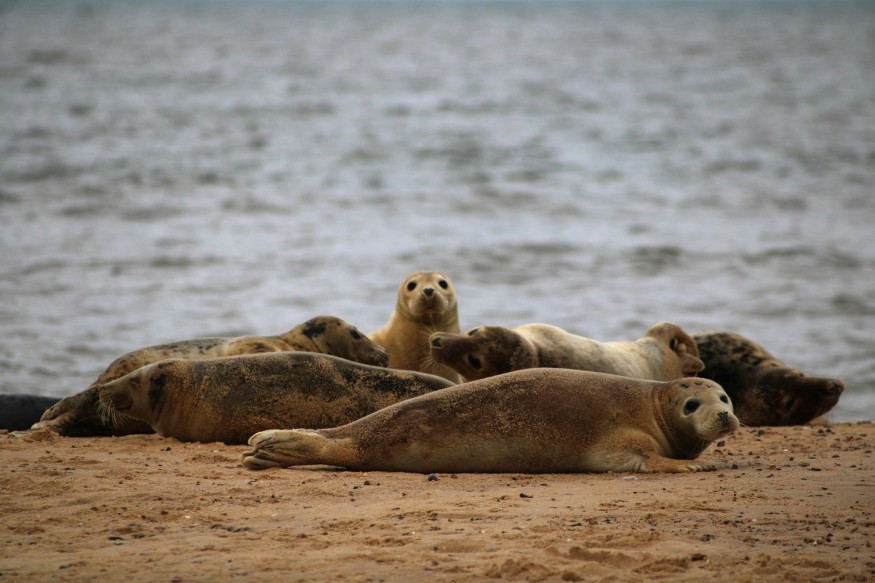
How Seals Detox After Foraging Trips and Recover After Deep Dives Using Heart Rate
-

Why Mother Animals Abandon Their Offspring: The Case of Punch, an Infant Macaque
-

Nanaimoteuthis haggarti: The 62-Foot Giant Prehistoric Octopus That Ruled the Cretaceous Seas


