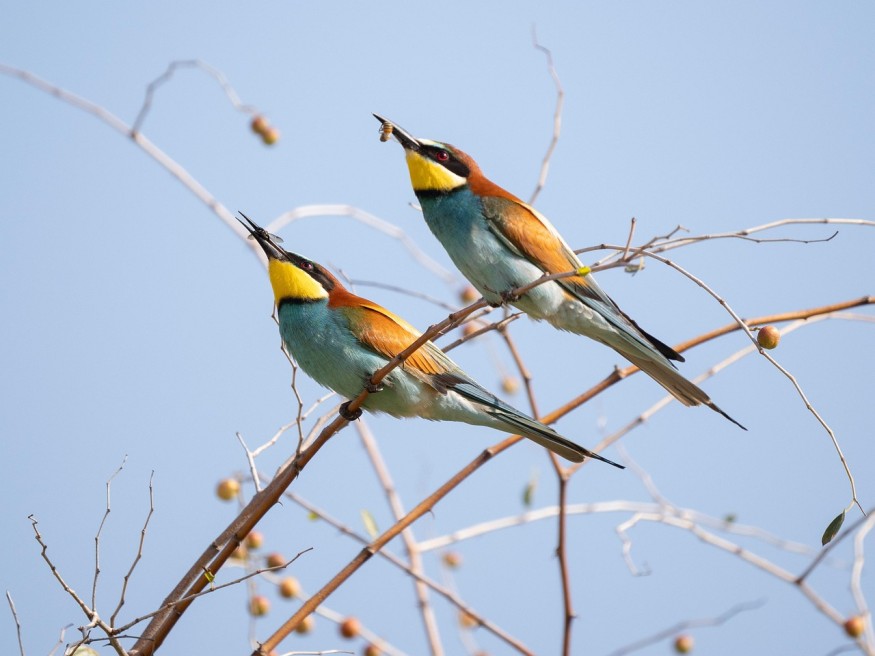
Species on Earth are constantly changing, but not all respond to that change in the same way. Some animals adjust, spread, and even flourish, while others slide toward species extinction and disappear from the planet. Understanding why this happens sheds light on animal adaptation, biodiversity loss, and the rapidly changing world humans and wildlife now share.
What Does It Mean When a Species Goes Extinct?
Extinction occurs when the last individual of a species dies and the species can no longer reproduce or recover. In some cases, scientists talk about "functional extinction," when so few individuals remain that they no longer play their ecological role or cannot sustain a healthy, genetically diverse population.
In today's world, species extinction is driven largely by human activities, including habitat destruction, pollution, overexploitation, and climate change. These pressures push many species past a tipping point, especially those already living in small, fragmented populations or restricted ranges.
Why Do Some Species Survive While Others Go Extinct?
The difference between survival and extinction often comes down to how well a species can adapt and how much pressure it faces. Animal adaptation refers to physical, behavioral, and physiological traits that help species cope with specific environmental conditions.
Species with a wide range of traits and behaviors often have more options when the environment changes than those with very narrow requirements.
Population size, reproduction rate, and ecological niche also shape extinction risk. Species with large, stable populations and broad ecological roles tend to be more resilient, while highly specialized species with small ranges are more vulnerable to biodiversity loss.
How Does Adaptation Help Animals Survive?
Adaptations arise over many generations through natural selection, as traits that increase survival and reproduction become more common. These traits can include camouflage, tolerance to heat or cold, flexible diets, or behaviors like migration and hibernation. Together, they form a toolkit that can help a species persist when ecosystems are disturbed or climates shift.
Generalist species illustrate the power of flexible adaptation. Animals such as rats, pigeons, and coyotes can eat a wide variety of foods, live in many habitats, and tolerate close contact with humans. As cities expand and landscapes change, these generalists often thrive, while more sensitive species decline.
What Role Do Pollution and Climate Change Play?
Pollution, from pesticides and plastics to industrial chemicals and excess nutrients, alters soil, water, and air quality, often in invisible but deadly ways. Toxins can weaken immune systems, reduce fertility, and accumulate up food chains, affecting predators and prey alike. These effects can shrink populations and make them less able to cope with other stresses.
Climate change adds another layer of pressure. Rising temperatures, shifting rainfall patterns, and more frequent extreme weather events are transforming ecosystems on land and at sea. Some animals respond with range shifts or changes in breeding times, but others are trapped in shrinking climate "windows," leading to local declines and, in some cases, global extinction.
What Makes Some Animals More Likely to Survive?
Certain traits help animals withstand environmental change better than others. Flexibility in diet and habitat, high reproductive rates, and behavioral versatility all increase the chances that a species will adapt rather than vanish. These traits do not guarantee survival, but they improve the odds in a rapidly changing world.
By contrast, large body size, low reproductive rates, specialized diets, and dependence on specific habitats often correlate with higher extinction risk. These species may be ecologically important, but they are less able to rebound when conditions deteriorate.
How Does Biodiversity Loss Affect Ecosystems?
Biodiversity loss does not just mean fewer species on a list; it reshapes how ecosystems function. Each species plays one or more roles, pollinator, predator, decomposer, seed disperser, that help maintain balance and resilience.
When too many roles disappear, ecosystems can become unstable and less able to provide services such as clean water, fertile soil, and climate regulation.
Accelerated species extinction rates today are much higher than natural background levels, indicating a global biodiversity crisis. This rapid loss of species and genetic diversity undermines the ability of ecosystems to recover from disturbances and support both wildlife and human communities.
What Happens When Key Species Disappear?
Some species, known as keystone species, have an outsized influence on their ecosystems. When these species vanish, the effects can cascade through entire food webs. For example, losing a top predator can lead to an explosion of herbivores, which may then overgraze vegetation and degrade habitats.
Similarly, the loss of pollinators or seed dispersers can reduce plant reproduction and alter forest or grassland composition. Over time, these shifts can change everything from soil health to local climate, illustrating how tightly biodiversity and ecosystem stability are linked.
How Are Humans Helping Some Animals Recover?
Despite the scale of the crisis, many conservation efforts have demonstrated that declines can be slowed and even reversed. Protected areas, wildlife refuges, and national parks give species safer spaces to live, feed, and breed. When well-managed and connected, these areas can support the recovery of endangered populations.
In addition, targeted measures such as anti-poaching patrols, captive breeding, and habitat restoration have helped certain species rebound. High-profile recoveries, including several large mammals and birds, show that focused action can pull species back from the brink of extinction and reduce local biodiversity loss.
How Everyday Actions Help Animals Thrive in a Changing World
Individuals, communities, and governments all influence which species thrive and which move toward extinction. Everyday choices, such as supporting habitat-friendly agriculture, reducing waste and pollution, and backing policies that protect forests, oceans, and wetlands, directly affect ecosystems and wildlife.
When more people choose products and lifestyles that minimize environmental impact, the pressures driving species extinction and biodiversity loss can be reduced.
Supporting conservation organizations, learning about local species, and advocating for climate and wildlife protections are powerful ways to help. While not every species can be saved, combining science-based conservation with broader environmental responsibility gives more animals the chance to adapt, recover, and continue playing their roles in the living systems that support life on Earth.
Frequently Asked Questions
1. Are all extinctions caused by human activity?
Not all extinctions are human-caused; species have always gone extinct through natural processes such as volcanic eruptions, asteroid impacts, and long-term climate shifts. What is different today is the rate of species extinction, which is now much higher than natural background levels largely because of human-driven factors like habitat loss, overexploitation, and pollution.
2. Can a species come back after going extinct in the wild?
In rare cases, a species that is extinct in the wild but survives in captivity can be reintroduced into its natural habitat if conditions are restored and threats are reduced. However, once a species has no surviving individuals anywhere, true extinction is permanent, and current technologies cannot recreate the full genetic and behavioral complexity of that lost species.
3. How do invasive species contribute to biodiversity loss?
Invasive species can outcompete native animals for food and habitat, introduce new diseases, or prey on species that have no evolved defenses against them. This pressure can reduce native populations, alter food webs, and sometimes push vulnerable species closer to extinction, especially on islands and in isolated ecosystems.
4. Does protecting a single charismatic species help other animals too?
Protecting a flagship species, such as a tiger or sea turtle, often involves conserving its entire habitat, which can benefit many other plants and animals that share that ecosystem. This "umbrella" effect means that efforts focused on one visible species can indirectly reduce biodiversity loss across a much wider community of organisms.
Originally published on Science Times
© 2026 ScienceTimes.com All rights reserved. Do not reproduce without permission. The window to the world of Science Times.


