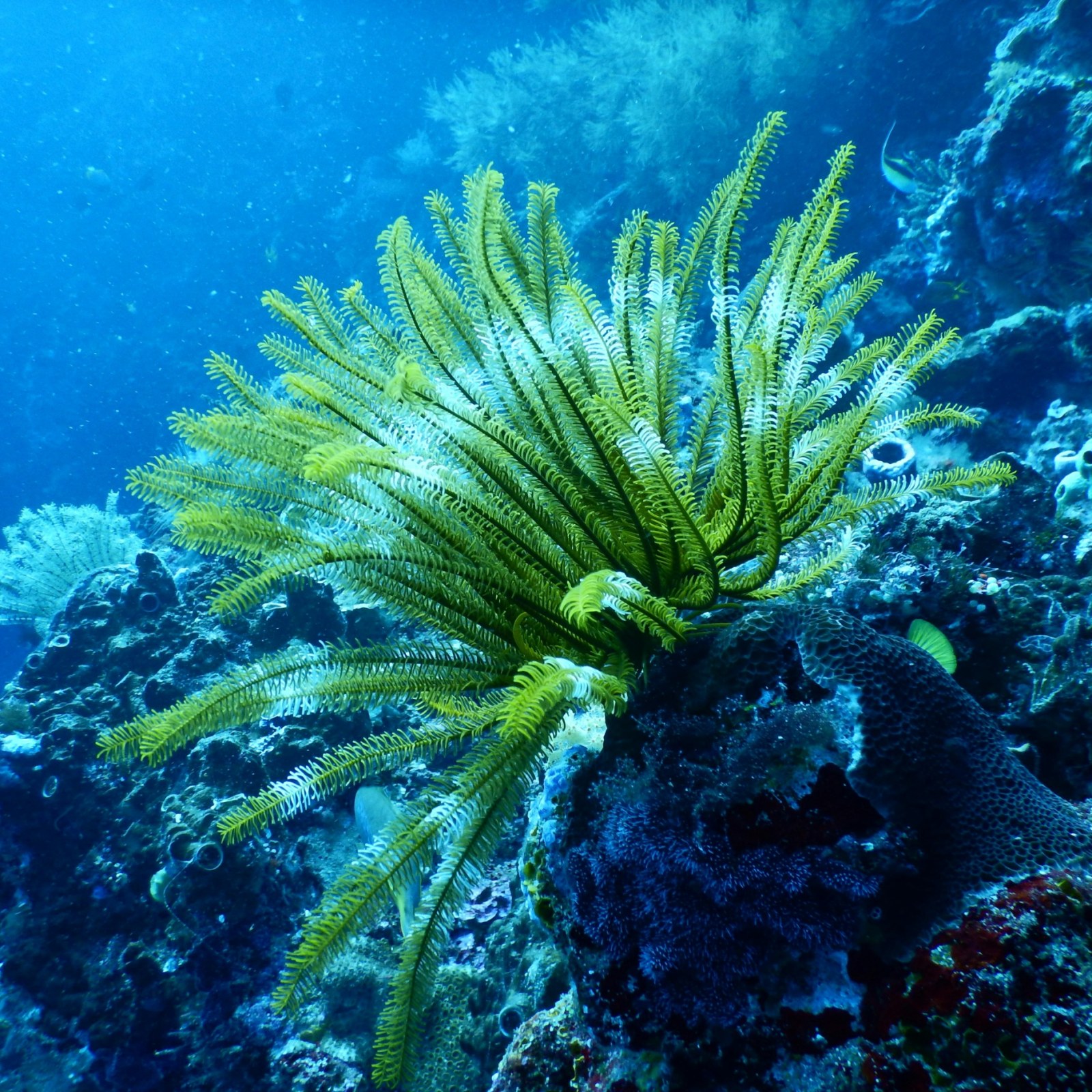
Coral bleaching is a critical environmental crisis caused by ocean warming, where corals expel symbiotic algae, turning vibrant reefs white. These algae provide essential nutrients, and their loss threatens the survival of marine ecosystems supporting 25% of all ocean species. Between 2023 and 2025, a record global bleaching event affected 84% of reefs worldwide, highlighting the fragility of these ecosystems.
Rising temperatures of just 1°C above seasonal norms for four weeks can trigger widespread coral mortality. Persistent marine heatwaves from fossil fuel-driven climate change prevent algal recolonization, leaving corals weakened and vulnerable to disease. Without intervention, continued ocean warming could collapse critical marine food webs, but emerging solutions in restoration and hybrid coral breeding offer hope for recovery.
Zooxanthellae Loss and Ocean Warming
Coral bleaching begins with the expulsion of zooxanthellae, microscopic algae that provide up to 90% of the coral's energy via photosynthesis. Ocean warming above 30°C triggers toxin production in these algae, forcing corals to expel them, leaving skeletons exposed. These bleached skeletons are highly susceptible to disease and starvation within weeks.
Ocean warming from rising greenhouse gas emissions creates prolonged heatwaves that prevent the natural recolonization of algae. The combination of thermal stress and prolonged heat events has intensified mass bleaching occurrences worldwide. If current warming trends continue, coral mortality events may become annual, jeopardizing reef ecosystems and the biodiversity they sustain.
Key points:
- Zooxanthellae provide 90% of coral energy and are expelled under heat stress.
- Skeletons become vulnerable to disease and starvation after bleaching.
- Ocean warming prolongs heat stress, preventing natural algal recolonization.
- Repeated mass bleaching threatens reef biodiversity and local fisheries..
Ecosystem Collapse and Acidification
Bleached corals trigger cascading effects across marine ecosystems, as reef-dependent fish populations decline sharply. Ocean warming also increases acidification, dissolving coral skeletons twice as fast and affecting other calcifying marine species. For instance, the Great Barrier Reef has lost 30% of live coral cover since 2016 due to consecutive bleaching events, reducing fish biomass and altering food webs.
The combination of warming and acidification jeopardizes reef services, including coastal protection and fisheries. Without intervention, these changes can cascade to human communities that rely on reefs for food and livelihoods.
Key points:
- Bleaching can lead to up to 70% loss of the fish population within 2 years.
- Ocean warming accelerates acidification, dissolving coral skeletons faster.
- Consecutive bleaching events reduce reef biodiversity and ecosystem services.
- Declining fisheries threaten reef-dependent human livelihoods.
Restoration and Heat-Resistant Corals
Hybrid and heat-resistant corals are showing promise in combating mass bleaching. Laboratory-bred corals surviving 2°C above normal temperatures have demonstrated up to 80% recovery under controlled conditions. Artificial reefs and marine protection zones, combined with fishing bans, facilitate natural recovery in degraded areas.
Global emissions reductions are essential to limit warming below 1.5°C and prevent irreversible reef collapse by 2050. Restoration efforts, while costly, provide tangible improvements in reef health and ecosystem resilience. According to the Australian Institute of Marine Science, these combined strategies can increase coral survival rates by 60–80% in localized reefs, emphasizing the importance of both climate action and on-site interventions.
Key points:
- Heat-resistant corals survive 2°C above normal and show high recovery.
- Artificial reefs and marine protection zones enhance ecosystem recovery.
- Fishing bans reduce additional stress on recovering reefs.
- Emissions reductions are critical to avoid long-term coral collapse
Conclusion
Coral bleaching caused by ocean warming is a leading threat to marine ecosystems worldwide, jeopardizing biodiversity, fisheries, and coastal protection. The 2023–2025 global bleaching event affecting 84% of reefs illustrates how sensitive corals are to even small temperature increases. Restoration efforts, hybrid coral breeding, and marine protection zones provide hope, but the 1.5°C warming threshold is critical for long-term reef survival this century.
Maintaining global temperatures within safe limits and reducing local stressors, such as pollution, will determine the fate of coral reefs and the ecosystems they support. Without urgent action, marine food webs and the livelihoods of billions of people face severe disruption. Coordinated climate policies, reef restoration projects, and scientific monitoring are key to reversing the impacts of mass bleaching and sustaining coral reef ecosystems for future generations.
Frequently Asked Questions
1. What temperature triggers coral bleaching?
Coral bleaching is typically triggered when ocean temperatures rise 1°C above the seasonal average for four weeks. This heat stress forces corals to expel their symbiotic algae. If temperatures return to normal quickly, corals can recover. However, prolonged heat events increase mortality rates and reduce the likelihood of recovery.
2. Can bleached corals recover?
Yes, bleached corals can recover if water temperatures return to normal within a few weeks. Recovery depends on the availability of algae to recolonize the coral tissues. Severe or repeated bleaching events reduce survival rates. Restoration efforts, such as artificial reefs, can enhance recovery in degraded areas.
3. What was the worst coral bleaching event in history?
The 2023–2025 global bleaching event affected 84% of coral reefs worldwide. Prolonged marine heatwaves driven by ocean warming triggered this event. It resulted in significant mortality in the Great Barrier Reef and Pacific reefs. Scientists warn that without action, such events may become more frequent and severe.
4. Does ocean warming alone cause coral bleaching?
Ocean warming is the primary driver of coral bleaching. Other factors, such as pollution, overfishing, and UV exposure, exacerbate the severity. Together, these stressors can push corals past their survival thresholds. Limiting warming is essential to prevent widespread reef collapse.
Originally published on Science Times
© 2026 ScienceTimes.com All rights reserved. Do not reproduce without permission. The window to the world of Science Times.


