The clock ticks faster for global wildlife in 2026. Over 44,000 species land on the IUCN Red List as threatened, spotlighting endangered species 2026 amid surging climate pressures and habitat squeezes. From record wildfires scorching Australian bush to ocean heatwaves bleaching vast coral expanses, human footprints accelerate declines. Scientists deploy AI-driven cameras, satellite tags, and genetic sequencing to monitor wildlife at risk, zeroing in on ocean porpoises, elusive forest rhinos, and island oddities. This piece breaks down the frontrunners under scrutiny, unpacks their mounting perils, and explores the tech and tactics racing to pull them back.
What Are the Most Endangered Animals in 2026?
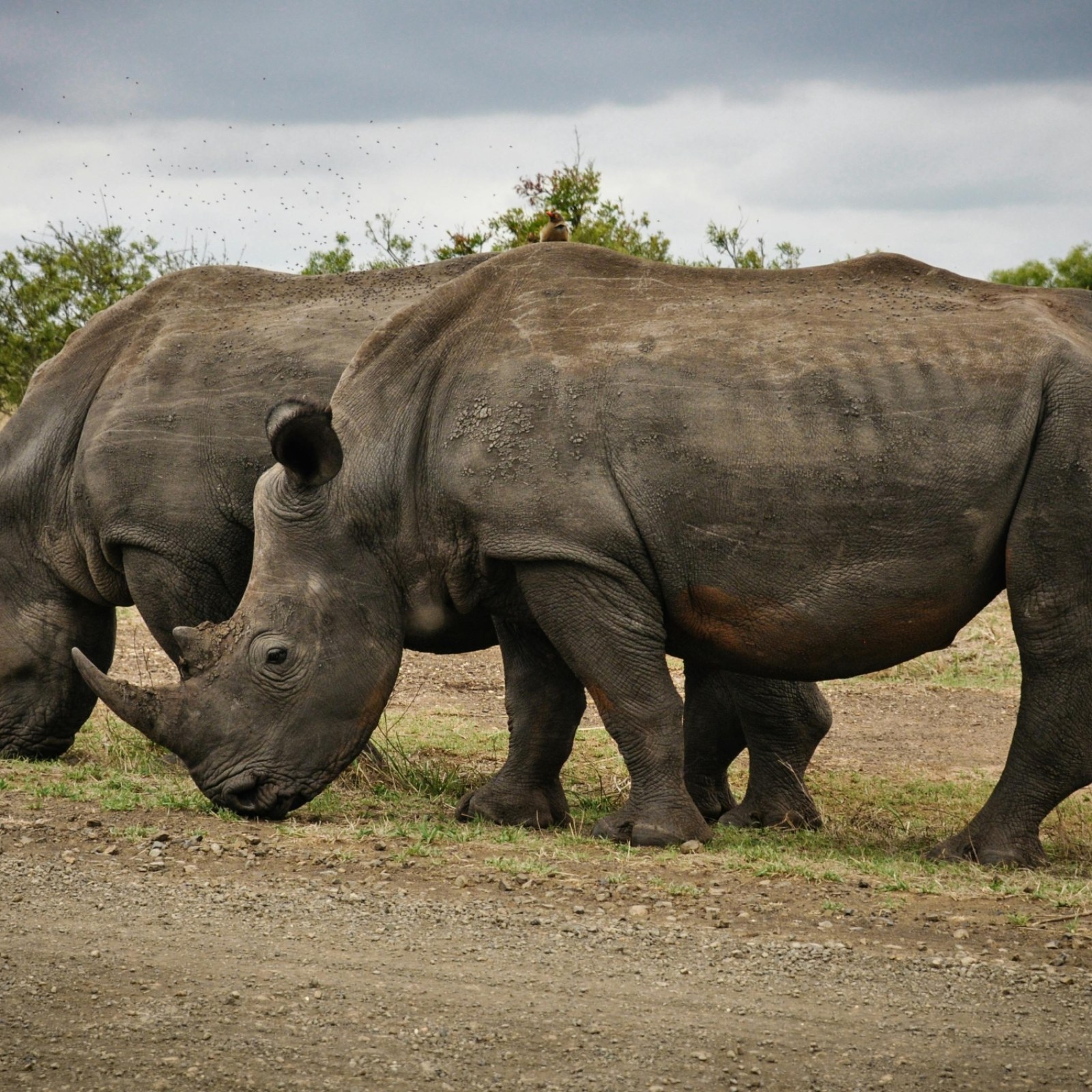
Narrow populations define the crisis, turning remote corners of the planet into high-stakes labs. In Indonesia's Ujung Kulon National Park, the Javan rhino clings to existence with under 75 individuals—one of the densest yet most vulnerable herds on Earth. Volcanic soils nourish their grasslands, but invasive Arenga palms creep in, outcompeting native plants. Remote cameras, baited with salt licks, capture heartening glimpses of calves nursing, yet births average just one every few years, a pace too slow against encroaching floods.
Across the Pacific in Mexico's Gulf of California, the vaquita porpoise evades oblivion with fewer than 10 confirmed survivors. These shy cetaceans, no bigger than dolphins, fall victim to vast gillnets set for the totoaba fish, whose swim bladders fetch fortunes in Chinese medicine. Acoustic buoys drift the upper gulf, pinging faint echolocation clicks that reveal their elusive dives amid shrinking mangroves.
New Zealand's kakapo parrot presents a quirky frontline case. Flightless and nocturnal, this moss-green oddity hovers at around 250 birds, confined to predator-free islands like Codfish. Intensive care includes radio collars and hand-fed supplements, but low fertility—tied to irregular fruit booms—keeps numbers stagnant. Rangers weigh each bird weekly, adjusting diets to spark booms.
In China's Yangtze River, the finless porpoise navigates a watery maze of dams and cargo ships, its population dipping to about 1,000. Lacking a dorsal fin, it relies on acute hearing to dodge propellers, but noise pollution scrambles signals. These emblematic cases of endangered species 2026 draw relentless global eyes, as WWF field reports underscore how isolation and human sprawl amplify declines for such wildlife at risk.
Which Animals Face Extinction Risks in 2026 and Why?
The vaquita claims the most precarious perch, with early 2026 hydrophone data registering just six distinct signals amid vast silence. International patrols seize nets, but black-market totoaba demand endures, fueled by online syndicates.
Deep in the Annamite Mountains straddling Vietnam and Laos, the saola—known as Asia's unicorn for its slender horns—eludes capture entirely. No confirmed wild sightings since 2013 place its numbers under 100, likely huddled in bamboo thickets. Chainsaw crews dismantle this last refuge for selective logging, fragmenting streams where it drinks at dusk.
Australia's Christmas Island pipistrelle bat edges toward zero after yellow crazy ants—unwittingly imported via pot plants—decimated its flying insect prey and hollow roosts. Nightly recordings catch ghostly squeaks, but populations crashed 90% in a decade.
Narrowing in on the numbers paints the urgency: the vaquita's tally slips below 10, hammered by illegal fishing that blankets the gulf; the Javan rhino holds under 75 in its lone peninsula, squeezed by invasive plants and seismic tremors; the saola scrapes by below 100, its bamboo haven shredded by logging roads; and the kakapo persists at roughly 250, battling predators even on guarded isles. Core drivers converge ruthlessly. Deforestation devours Amazon expanses at alarming rates yearly, displacing tree-dwellers. The 2025 record heat bleached 90% of global corals, starving reef-bound fish and their predators. Poaching syndicates rake in billions peddling rhino horns, elephant ivory, and exotic skins through shadowy digital markets. Plastics choke riverine life, while invasive species hitch global trade routes—rats gnaw seabird nests, fungi ravage amphibian skins. These forces fragment habitats, stranding wildlife at risk in shrinking pockets.
Recent models from the Zoological Society of London forecast imminent tipping points absent rapid interventions like wildlife corridors and ironclad trade bans.
How Scientists Track and Protect Endangered Species 2026
Innovation reshapes the fight. Drones fitted with thermal sensors map Javan rhino territories, spotting heat signatures through dense canopy. AI algorithms sift millions of trail cam frames, flagging saola-like shadows in seconds for ranger teams.
Gene banks archive DNA from plucked feathers and scat, enabling breakthroughs like the black-footed ferret's 2025 cloning revival from frozen cells. Protected zones expand aggressively—Indonesia designated extra hectares around Ujung Kulon, buffering rhinos from floods.
International pacts deliver teeth: CITES resolutions in 2026 clamped totoaba trade routes, slashing vaquita gillnet encounters by 30% per patrol logs. Community networks activate via apps like iNaturalist, where hikers upload geotagged photos that refine search grids.
Rewilding crews air-drop native seeds via drones, knitting green bridges for kakapo wanderings. IUCN assessments, updated quarterly, channel public pressure into policy shifts—turning raw data into fenced sanctuaries and buyback programs. These layered efforts offer scalable lifelines, proving wildlife at risk can rebound with coordinated grit.
Take Action for Endangered Species 2026 Before It's Too Late
Momentum surges in 2026 as precision tools lay bare each vulnerability. Vaquita's fading clicks, rhino's muddy trails, saola's phantom trails—they all signal a narrow window. Simple shifts like swapping single-use plastics for reusables, donating to reserve funds, or voicing support for habitat laws stack the odds. In this data-rich era, collective moves fortify the fraying web of life.
Frequently Asked Questions
1. What are the most critically endangered animals in 2026?
Vaquita porpoise (under 10 left), Javan rhino (fewer than 75), and saola (no recent sightings) top the list. These wildlife at risk face imminent extinction from fishing nets, habitat loss, and logging.
2. How many species are endangered in 2026?
The IUCN Red List tracks over 44,000 threatened species, up 10% from 2020. Amphibians (41% at risk) and mammals (26%) lead due to climate shifts and deforestation.
3. What causes animals to become endangered species 2026?
Habitat destruction from Amazon clearing, 2025 coral bleaching (90% of reefs), poaching for horns/scales, and invasive species drive declines. Urban sprawl fragments migration routes.
© 2026 NatureWorldNews.com All rights reserved. Do not reproduce without permission.


