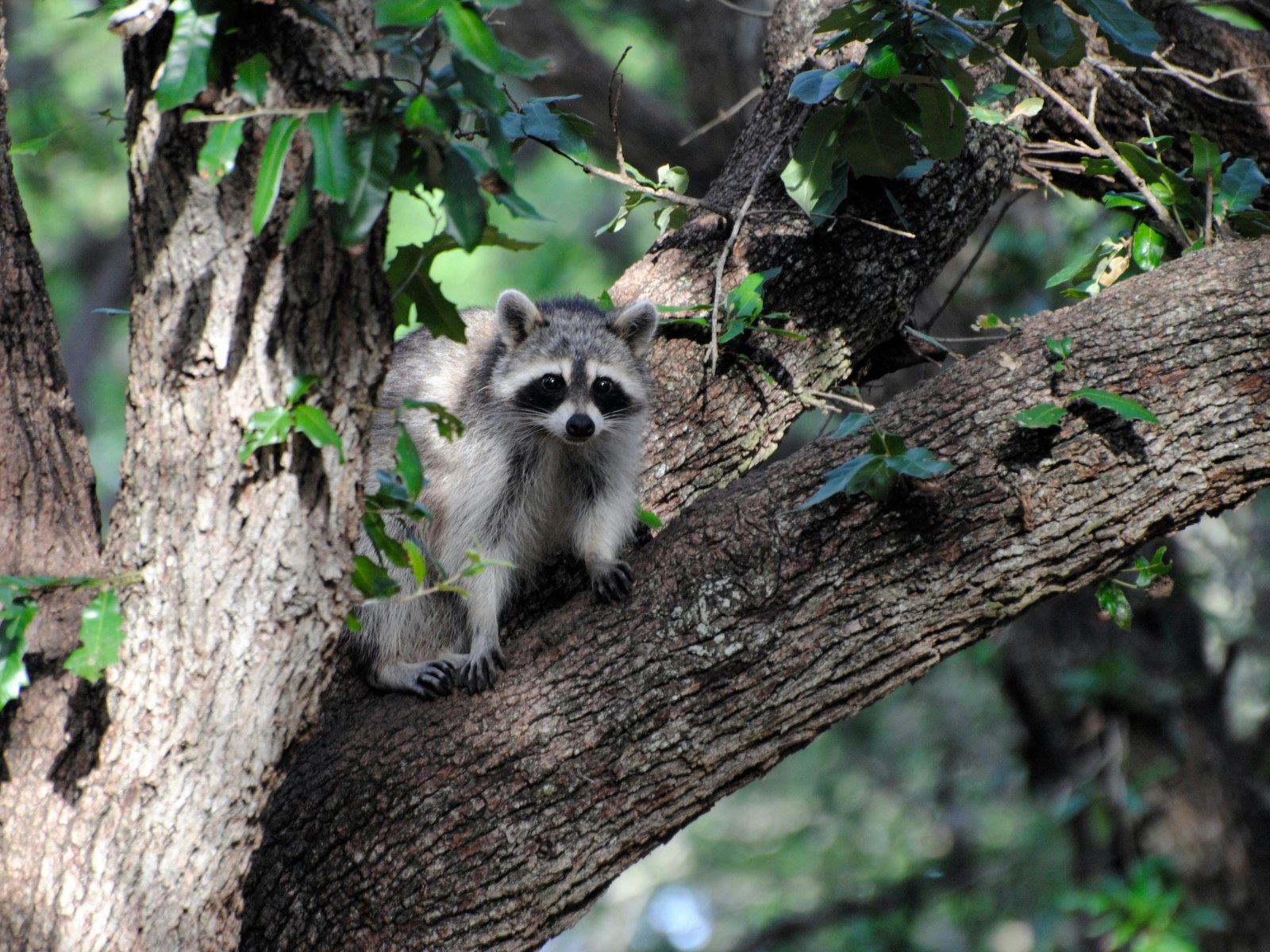
Cities pulse with unexpected visitors these days. Coyotes trot through Los Angeles suburbs at dawn, raccoons raid Seattle garbage bins under streetlights, and wild boars root around in Berlin parks by night. This undeniable rise in urban wildlife fuels growing human-wildlife conflict, from startling pet attacks to worrisome disease outbreaks. Human expansion, abundant waste, and shifting climates drive animals in cities ever closer, reshaping everyday encounters in profound ways. Recent reports from wildlife agencies show sightings surging 40% in major U.S. metros over the past five years alone. What's fueling this trend, which creatures lead the charge, and what risks do residents face?
Why More Wild Animals Are Coming Into Cities and What Animals Lead the Surge
Habitat destruction stands out as the primary culprit. Urban sprawl devours forests and fields at an alarming rate, forcing deer, foxes, red-tailed hawks, and countless others toward city fringes. A detailed University of Washington study tracked mammal movements, revealing how housing booms displaced 20% more species into urban zones since 2015. Subdivisions replace wetlands, leaving animals few options but to adapt or perish.
Human-generated food waste provides the next big draw. Overflowing dumpsters, unattended pet dishes, unsecured compost heaps, and even fruit-heavy community gardens act like all-you-can-eat buffets. Take Phoenix as a prime example: Coyotes there have exploded in number, their packs doubling over a decade thanks to discarded fast-food wrappers and barbecue leftovers, according to ongoing local wildlife tracker reports.
Climate change accelerates the invasion. Milder winters reduce migration needs, while prolonged droughts and heatwaves send thirsty creatures scavenging near reliable urban water sources like leaky sprinklers or storm drains. Raccoons dominate North American urban wildlife, with their clever paws prying open lids and climbing drainpipes into attics. In Europe, red foxes slip through London alleys, snatching scraps from outdoor markets. Asia sees troops of macaques overwhelming Singapore neighborhoods, bold enough to grab phones from picnickers. Bigger threats emerge too—black bears wander into Vancouver backyards for berry bushes, while massive rat populations and ubiquitous pigeons turn sewers and ledges into thriving colonies worldwide. These animals in cities evolve quickly, mastering traffic dodges and human schedules to carve out concrete niches.
Why Wild Animals Enter Homes and How Humans Shape This Trend
Residential spaces prove irresistible to desperate urban wildlife. Harsh cold snaps propel squirrels and mice through tiny vent gaps seeking warmth; scorching summer droughts draw opossums and skunks toward dripping outdoor faucets or shaded garages. Nothing invites them faster than unsecured food—a forgotten bag of dog kibble or a countertop pizza slice turns homes into targets, as one Florida family discovered during repeated nightly raccoon standoffs last year.
Human behaviors unwittingly escalate the problem. Vast road networks fragment ancient migration corridors, resulting in thousands of fatalities annually—deer-vehicle collisions in the U.S. alone tally $1.6 billion in damages and repairs each year. Chemical pollution disrupts delicate food webs; urban rodenticides sicken predators like barred owls, allowing rat numbers to skyrocket unchecked.
Artificial lights confuse nocturnal foragers, while casual feeding by park-goers breeds dependency and boldness. In Mumbai, sacred langurs grew aggressive after years of tourist handouts, leading to bites and chases. The Humane Society's field tests in multiple cities showed no-feeding ordinances slashing conflict incidents by half. Road salt poisons streams, driving amphibians into yards, and noise pollution stresses birds into erratic nesting. Collectively, these pressures squeeze animals in cities right through cracked windows and pet doors, igniting intimate clashes indoors.
Human Wildlife Conflict Risks and Smart Ways Forward
Human-wildlife conflict manifests in stark, multifaceted risks that touch health, safety, and wallets. Diseases spread swiftly: Urban deer harbor ticks laden with Lyme bacteria, while bats roosting in attics carry rabies that infects hundreds yearly worldwide. Pet owners report surging coyote attacks—up 15% in San Diego over recent seasons—with rare but headline-grabbing human incidents. Property damage piles on: Raccoons chew electrical wiring, sparking fires and forcing costly fixes that burden insurers with millions.
Despite the threats, urban wildlife offers ecological perks, like foxes naturally curbing rodent booms or birds pollinating rooftop gardens. Effective countermeasures blend common sense with innovation. Start by securing trash with bungee cords and heavy lids—this alone cuts raccoon incursions by 70%, per agency data. Clear backyards of fallen fruit, birdseed spills, and open compost, then reinforced with wildlife-proof fencing topped by floppy overhangs.
Larger-scale efforts shine too. Calgary's network of under-highway tunnels and overpasses allows safe animal passage, slashing roadkill dramatically. Swapping lawns for native plants attracts beneficial insects and birds without luring destructive pests. Community apps like iNaturalist empower residents to map sightings, alerting authorities to hotspots early. Berlin's proactive fox vaccination drives eliminated rabies risks without resorting to lethal removals.
National Geographic recently spotlighted Singapore's innovative green roofs, which host pollinator-friendly species and buffer animals in cities from full human takeover.
Navigating Urban Wildlife Encounters in Everyday Life
Urban wildlife pulses stronger as animals in cities stake claims amid relentless sprawl. Human-wildlife conflict tests residents from alleys to attics, yet proven strategies—from fortified bins to thoughtful bridges—unlock paths to coexistence. Cities that embrace these shifts craft safer, more vibrant spaces where nature and neighborhoods harmonize.
Frequently Asked Questions
1. Why are more wild animals showing up in cities?
Urban sprawl destroys habitats, forcing animals like deer and foxes into suburbs. Abundant trash and pet food act as magnets, while climate shifts disrupt migration, drawing urban wildlife closer and heightening human-wildlife conflict.
2. What animals commonly invade urban areas?
Raccoons, coyotes, foxes, rats, pigeons, and squirrels lead the pack in North America. Globally, macaques hit Asian cities, boars roam Europe, and bears venture into places like Vancouver—classic animals in cities adapting fast.
3. Why do wild animals enter houses?
They seek shelter from weather extremes, water from leaks, or easy snacks like open pet food. Nocturnal habits make nighttime entries common, turning homes into hotspots for human-wildlife conflict.
© 2026 NatureWorldNews.com All rights reserved. Do not reproduce without permission.


