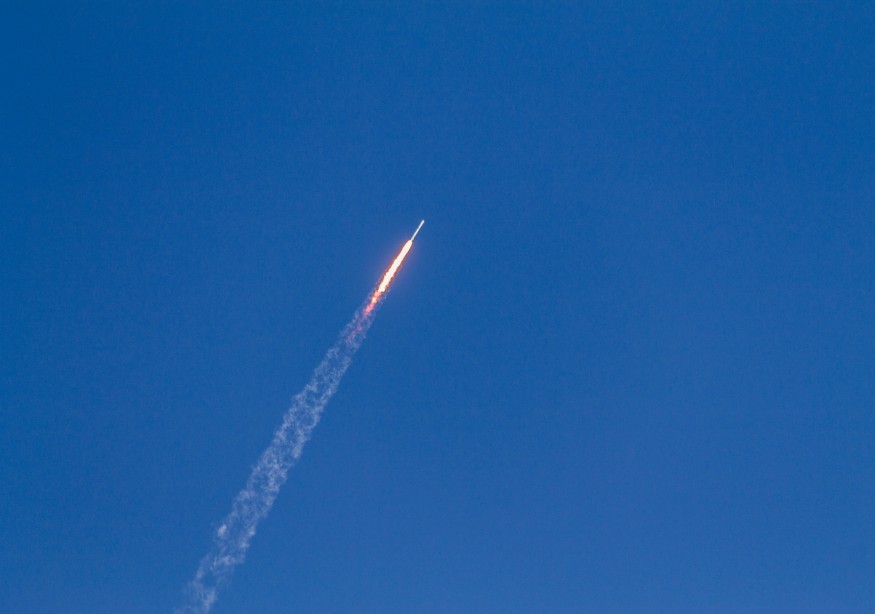
Missiles are among the most advanced and powerful tools in modern military arsenals. They can travel at high speeds, reach distant targets, and strike with precision. Behind their tactical advantages, though, lies a growing question many people search online: do missiles cause pollution? And more specifically, how do they affect the air—can a missile pollute the sky and contribute to "sky pollution"? Evidence from recent research and environmental monitoring shows that missiles can indeed add to air contamination, especially when used repeatedly or in conflict zones.
How Missiles Cause Pollution
Missiles are powered by rocket propellants, which are usually solid or liquid mixtures of fuel and oxidizer designed to burn rapidly and generate intense thrust. When these fuels combust, they release gases such as carbon dioxide, nitrogen oxides, water vapor, and fine particulate matter like soot. Some missile systems also use metallic additives, such as aluminum, which can form compounds like aluminum oxide when burned. These emissions are carried upward by the missile's exhaust plume and can remain suspended in the atmosphere for some time.
During routine testing or training launches, each missile flight adds a small but measurable amount of pollutants to the air. In combat, the impact can be far greater. When a missile strikes a target, the explosion can ignite fuel depots, power plants, industrial facilities, or transportation hubs. These secondary fires release thick smoke loaded with fine particles, toxic chemicals, and heavy metals that can drift downwind and affect air quality over wide areas.
Analysts at the Conflict and Environment Observatory (CEOBS) have documented how missile‑linked fires and industrial damage in recent conflicts can create localized pollution hotspots. Their work shows that repeated missile attacks are often followed by spikes in particulate matter and other airborne pollutants, which tracks with the broader idea that missiles cause pollution in both peacetime and wartime environments.
Can a Missile Pollute the Sky?
The phrase "sky pollution" refers to the buildup of contaminants in the atmosphere that reduce visibility, degrade air quality, and may influence atmospheric chemistry. In this sense, missiles can contribute to sky pollution by injecting pollutants into the air through their exhaust plumes. As a missile ascends, its plume can rise into the lower and, in some cases, upper layers of the atmosphere, where fine particles and reactive gases linger longer than they would near the ground.
Some researchers in aerospace and defense note that certain metals and chemicals in missile propellants can persist in the upper atmosphere and interact with sunlight and other atmospheric components. This interaction can subtly change how light and heat move through the air, affecting local visibility and even contributing to longer‑term climate effects. In regions with frequent missile activity—such as near large test ranges or in conflict‑affected areas—people may notice more persistent haze, unusual cloud patterns, or a dulling of the sky, which are indirect signs that missiles can pollute the sky.
Reports and analyses by organizations like the Conflict and Environment Observatory (CEOBS), which track environmental damage from warfare, help illustrate how missile‑related explosions and fires can create visible smoke plumes and measurable changes in air quality. These observations support the idea that a missile can pollute the sky, not just locally but sometimes across broader regions downwind of strikes.
How Missiles Affect the Environment Beyond the Sky
Although much of the discussion focuses on air and sky pollution, missiles also leave environmental impacts on the ground and in water. When a missile fails to reach its target or explodes offcourse, remnants of the body, fuel, unexploded components, and debris can scatter across the landscape. Some of these materials contain hazardous chemicals or heavy metals that slowly leach into the soil and nearby water sources, contaminating ecosystems over time.
In areas where missile testing has occurred repeatedly, the buildup of such residues can create long‑term pollution. Cleanup is difficult and expensive, and in some cases, the land may remain restricted or degraded for years. In active conflict zones, the environmental damage is compounded by the broader destruction of infrastructure, which can release additional pollutants such as oil, industrial chemicals, and waste from damaged facilities.
Wildlife and habitats are also affected. The noise and shockwaves from missile launches and explosions can disrupt animal behavior, alter migration routes, and damage sensitive ecosystems. In marine or coastal regions, debris falling into the water can harm aquatic life and degrade water quality. Over time, the cumulative effect of missile use—combined with other military activities—can reshape landscapes and undermine ecological balance.
Comparing Missile‑Related Pollution to Other Sources
To put missile‑related pollution into perspective, it helps to compare it with other major sources of emissions. Industrial activity, transportation, and energy production are responsible for the vast majority of global air pollution and greenhouse‑gas emissions. In this global picture, missile launches and military operations are relatively small contributors. However, their impact can be outsized in specific regions or situations.
In a large industrial city already dealing with heavy traffic and factory emissions, occasional missile tests may not change the overall air‑quality picture much. But in a region already under stress—such as a conflict‑affected area with limited environmental monitoring—missile activity can push air quality beyond safe thresholds and worsen existing pollution problems. Work by organizations like CEOBS and similar conflict‑environment monitoring groups highlights how repeated missile strikes can turn once‑stable environments into zones of elevated particulate matter and other pollutants, especially when combined with industrial fires and infrastructure damage.
How the Impact of Missiles on the Environment Can Be Reduced
Despite these challenges, there are ways to reduce the environmental footprint of missile systems. One of the most promising approaches is the development of cleaner propulsion technologies. Researchers in aerospace and defense are exploring alternative propellants that burn more efficiently and release fewer harmful byproducts, especially in terms of black carbon and metallic residues. Even modest improvements in fuel composition can reduce the amount of pollutants injected into the atmosphere with each launch.
Another important step is improving how missile components are handled, stored, and disposed of. Proper management of spent casings, unexploded ordnance, and associated chemicals can minimize soil and water contamination. Some experts suggest that military planners should routinely assess the environmental impact of missile testing and use, similar to how civilian projects undergo environmental reviews. Platforms such as Security & Sustainability, which profile organizations like the Conflict and Environment Observatory, emphasize the need for better monitoring and accountability in military‑linked environmental harm.
Policy‑oriented research groups such as the International Institute for Sustainable Development (IISD) also point out that military activities, including missile‑linked operations, should be better integrated into broader climate and environmental‑protection strategies. By tracking emissions, energy use, and environmental risk in defense planning, governments can reduce the long‑term impact of missiles on air quality, sky pollution, and ecosystems.
Regular monitoring of air quality around launch sites and in conflict‑affected areas can help quantify how much pollution missiles generate and where it spreads. This data can inform public‑health measures, such as air‑quality alerts and protective guidance for vulnerable groups. Finally, international cooperation in sharing information and best practices can encourage more responsible use of missile systems and reduce the overall environmental burden.
Missiles will likely remain a key part of national defense strategies, but recognizing that missiles cause pollution—and that they can pollute the sky—opens the door to designing, testing, and deploying them more thoughtfully. As concerns about climate change and air quality grow, the question of how missiles affect the environment will continue to matter both for policymakers and for the public searching answers to "missiles cause pollution," "sky pollution," and "can a missile pollute the sky."
Frequently Asked Questions
1. Do missiles cause pollution?
Yes. Missiles burn rocket propellants that release gases such as carbon dioxide, nitrogen oxides, and fine soot into the atmosphere. In conflict, missile strikes can also trigger fires and industrial damage that add smoke and other pollutants to the air.
2. Can a missile pollute the sky?
Yes. When a missile launches, its exhaust plume rises into the atmosphere, carrying particles and chemicals that can linger in the air and contribute to what is often called "sky pollution." This can affect visibility, air quality, and even atmospheric chemistry over time.
3. What is sky pollution?
Sky pollution refers to the buildup of airborne contaminants—like smoke, dust, and chemical particles—that degrade air quality and visibility. It includes emissions from industries, vehicles, and military activities such as missile launches and explosions.
© 2026 NatureWorldNews.com All rights reserved. Do not reproduce without permission.


