Rare natural events captivate observers with fleeting beauty, often requiring perfect conditions and precise timing to witness. From sprites above thunderstorms to circumhorizontal arcs lighting the sky, these phenomena highlight nature's unpredictability. Atmospheric phenomena such as green flashes and noctilucent clouds challenge both scientists and photographers, as they occur in specific latitudes and seasons worldwide. By understanding these unusual events, enthusiasts can better plan sightings, appreciate their complexity, and document moments that few people ever experience in person. Rare natural events reveal the extraordinary side of Earth's atmospheric canvas, offering a mix of science, wonder, and visual spectacle.
Witnessing these phenomena requires patience, location knowledge, and a bit of luck. Many of these events occur over oceans, high altitudes, or polar regions, making them inaccessible for casual observation. Yet, advances in photography, time-lapse, and satellite imaging allow enthusiasts to study and share these fleeting displays. By learning about rare natural events and atmospheric phenomena, anyone can appreciate their significance and understand the physical processes behind them. From amateur stargazers to professional scientists, the allure of these events continues to inspire exploration and documentation.
Top 9 Rare Natural Events
Rare natural events captivate observers with their fleeting beauty and unpredictable appearances. These phenomena often require perfect conditions, from atmospheric clarity to precise timing, making each sighting extraordinary. By understanding these rare natural events, enthusiasts can better appreciate the science and spectacle behind each occurrence.
- Ball Lightning: Spherical, glowing electrical phenomena appearing during thunderstorms, often lasting only seconds. These mysterious orbs float or bounce unpredictably and have been reported to pass through windows or even small openings. Scientists are still studying the exact mechanisms, but they may involve ionized air and high-voltage energy discharges.
- Moonbows: Rainbows created by moonlight rather than sunlight, appearing faint and often requiring dark, clear skies. They typically occur near waterfalls or during light rain at night, with colors much subtler than daytime rainbows. Moonbows can only be seen when the moon is nearly full, and the observer has a dark sky with minimal light pollution.
- Fire Whirls: Tornado-like columns of flame forming during intense wildfires, shaped by heat, wind patterns, and rising air currents. They can lift burning debris and spread fire rapidly, making them both fascinating and dangerous. Fire whirls can reach several meters high and display spiraling flames that dance unpredictably in the blaze.
- Lenticular Clouds: Lens-shaped, smooth clouds forming over mountains due to orographic lift and wind patterns. Often mistaken for UFOs, these clouds are stationary and appear to hover in the sky, creating striking visual illusions. Photographers and hikers frequently capture lenticular clouds at sunrise or sunset for their vivid, layered colors.
- Brocken Spectre: A magnified shadow of an observer cast onto clouds or fog below a mountaintop, sometimes surrounded by a rainbow-like halo known as a "glory." This optical phenomenon requires the sun to be directly behind the observer and often surprises mountaineers or hikers with its ghostly appearance. It can create the illusion of enormous, otherworldly figures in the clouds.
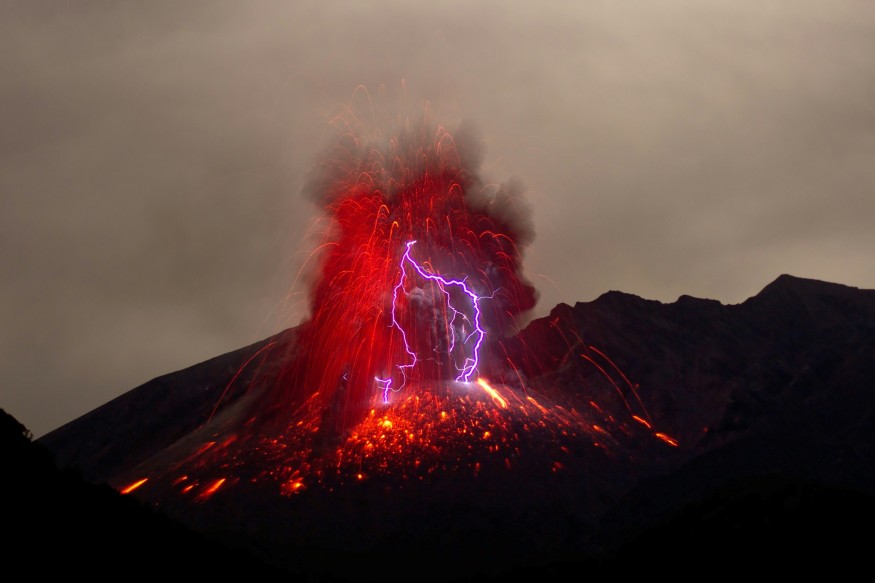
- Volcanic Lightning: Lightning occurring in ash plumes during volcanic eruptions, caused by static electricity in the fine ash particles. This dramatic phenomenon combines the raw power of molten lava with sudden electrical discharges, lighting up the sky. Volcanic lightning is extremely dangerous but offers a spectacular visual display for volcanologists and photographers from a safe distance.
- Aurora Substorms: Sudden intensifications of auroral activity in polar regions, producing unpredictable surges of color, brightness, and motion. These surges are caused by disturbances in the Earth's magnetosphere, often creating vivid green, red, and purple displays. Substorms can last from a few minutes to over an hour, offering some of the most dynamic aurora experiences.
- Fogbows: Pale, ghostly rainbows forming in dense fog when sunlight or moonlight interacts with tiny water droplets. Unlike regular rainbows, fogbows appear mostly white with faint color fringes and can stretch across an entire foggy valley. These ethereal arcs are often called "white rainbows" and are more subtle than traditional rainbows but equally captivating.
- Diamond Dust: Tiny ice crystals suspended in extremely cold air, sparkling in sunlight and creating a shimmering effect near the horizon. Often seen in polar regions or during Arctic winters, diamond dust can produce halos, sun dogs, and other intricate optical effects. This phenomenon occurs under calm, clear skies, giving landscapes a sparkling, magical appearance.
Optical Atmospheric Phenomena Among Rare Natural Events
Observing optical phenomena in the sky can be mesmerizing, with colors and shapes appearing almost magical. These rare natural events often involve light refraction, reflection, or atmospheric electrical discharges.
- Green Flash: A brief emerald burst at sunrise or sunset caused by atmospheric refraction, typically visible over clear horizons, especially oceans.
- Sprites: High-altitude electrical discharges above thunderstorms that resemble jellyfish or carrots, lasting only milliseconds in the mesosphere.
- Circumhorizontal Arc: Also called a "fire rainbow," this effect occurs when sunlight refracts through ice crystals in cirrus clouds at very high sun angles.
Cloud and Aurora Atmospheric Phenomena
Beyond their optical effects, clouds and auroras display otherworldly behavior in the sky. Atmospheric phenomena in this category often involve interactions between sunlight, ice, and geomagnetic activity.
- Noctilucent Clouds: Silvery, ethereal clouds forming at around 80km altitude, visible during summer twilight at high latitudes.
- Fallstreak Holes: Circular gaps in clouds created when supercooled droplets freeze, sometimes triggered by passing aircraft.
- RAGDA (Red Arc Green Diffuse Aurora): Rare auroral displays showing crimson arcs with pulsating green spots at the edges of auroral ovals during geomagnetic storms.
Conclusion
Rare natural events like green flashes, sprites, and noctilucent clouds showcase the extraordinary complexity of Earth's atmosphere. Observing these atmospheric phenomena requires patience, preparation, and a keen understanding of the environmental conditions that create them. While advanced cameras, satellites, and global observation networks increase the chances of documenting these events, witnessing them firsthand remains profoundly rare. Each sighting offers not just visual beauty but a tangible connection to the unseen forces shaping our planet.
The study and appreciation of these events also expand scientific knowledge, from understanding high-altitude electrical discharges to the effects of ice crystals on sunlight. By tracking, photographing, and sharing rare natural events, enthusiasts contribute to atmospheric research while experiencing unforgettable moments. Whether you are a casual skywatcher or a professional meteorologist, these atmospheric phenomena demonstrate nature's capacity to surprise, inspire, and educate, making each rare event a treasure worth chasing.
Frequently Asked Questions
1. Where are the best locations to see rare natural events?
High latitudes, open oceans, mountaintops, and desert regions often offer optimal visibility for unusual atmospheric phenomena.
2. What causes colorful atmospheric phenomena like fire rainbows?
These effects result from light refraction, reflection, and scattering in ice crystals or water droplets in the atmosphere.
3. How rare are sprites compared to regular lightning?
Sprites occur high above thunderstorms and last milliseconds, making them far rarer and more difficult to observe than typical lightning.
4. Can climate change affect the frequency of atmospheric phenomena?
Changes in temperature, humidity, and polar ice can alter cloud formation, lightning frequency, and other phenomena, potentially affecting their occurrence rates.
Originally published on Science Times
© 2026 ScienceTimes.com All rights reserved. Do not reproduce without permission. The window to the world of Science Times.


