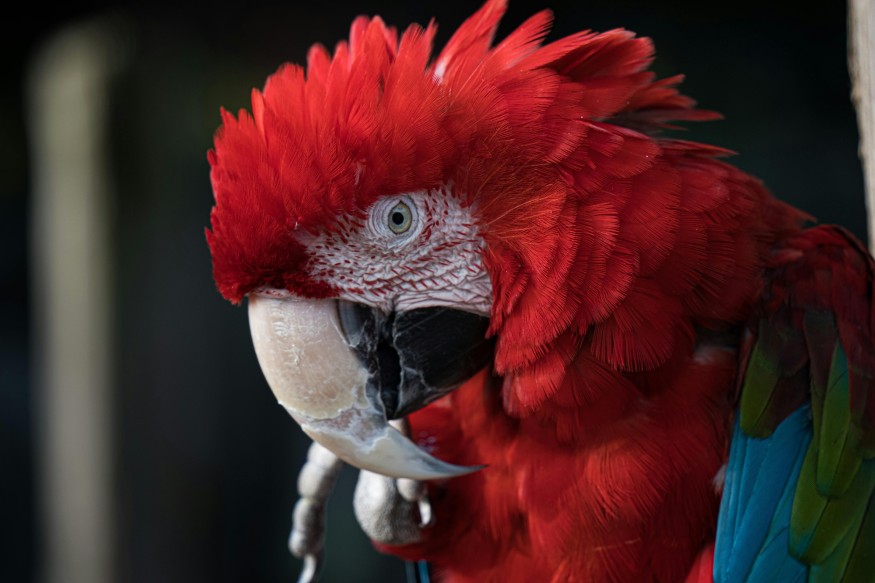
Mexico's jungles ring with the loud squawks of scarlet macaws, a sound lost for decades but now returning through targeted macaw conservation project work. These initiatives showcase parrot rewilding success and fuel rainforest bird recovery across Chiapas and Veracruz regions.
Scarlet Macaw Decline and Recovery Roots
Scarlet macaws once filled Mexico's tropical canopies from the Yucatan to the Pacific coast. By the 1990s, their numbers crashed due to relentless poaching and habitat loss. Nest raiders snatched chicks for the pet trade, while cattle ranching and soy farms shredded vast rainforest stretches.
Fewer than 100 breeding pairs clung to survival in isolated pockets by 2000. The Lacandon rainforest, a key stronghold, saw nests emptied year after year. This decline rippled through ecosystems, as macaws scatter seeds for trees like ceiba and ramon, vital for jungle health.
Conservationists stepped in with macaw conservation project plans around 2005. Rescuing eggs and chicks became priority one, shifting the tide toward parrot rewilding success. Early efforts focused on Palenque National Park, where biologists built nest guards and flight cages.
Macaw Conservation Project Tactics
Teams employ proven steps to rebuild populations. They patrol high-risk nests during breeding season, deterring poachers with 24-hour watches. Rescued nestlings get hand-fed a diet mimicking wild fruits and nuts, building strength for release.
Here's how reintroduction unfolds in practice:
- Nest monitoring: Drones and camera traps spot active nests early.
- Chick rearing: Soft-release pens teach flight and foraging over 2-3 months.
- Health checks: Vets screen for diseases before birds hit the wild.
- Tracking bands: GPS tags follow movements for years post-release.
A study from Palenque, detailed in a 2014 Tropical Conservation Sciencepaper by Alejandro Estrada, reported 92% first-year survival for 50 released macaws. This hands-on approach drives rainforest bird recovery by restoring natural flock sizes.
Community involvement proves essential. Locals join patrols and plant food trees, cutting poaching incentives. Workshops teach alternatives like ecotourism guiding, tying human livelihoods to bird survival.
Parrot Rewilding Success Highlights
Parrot rewilding success shines brightest in Chiapas. Over 200 scarlet macaws now soar in Palenque, forming breeding pairs that fledge young annually. Flocks of 20-30 birds raid fruit trees, echoing pre-poaching days.
In Los Tuxtlas, Veracruz, another hotspot, 130 birds will be integrated by 2020. Released macaws quickly paired up, with nests confirmed in 2022. Seed dispersal from these flocks boosts forest regrowth, linking rainforest bird recovery to broader biodiversity gains.
National Geographic covered one unorthodox tactic in 2024: using decoy nests to lure poachers away while rescuing real chicks. This boosted success rates, with fledglings hacking back into the wild within months.
Numbers tell the story:
- 2005: Zero releases in Los Tuxtlas.
- 2015: 50 birds tracked, 80% alive.
- 2023: 130+ wild individuals, 15 nests active.
These milestones prove rewilding works when paired with habitat protection. Macaws now range 50-100 km, overlapping with howler monkeys and toucans in balanced ecosystems.
Rainforest Bird Recovery Through Macaw Efforts
Rainforest bird recovery hinges on scarlet macaws as flagship species. Their return signals healthier jungles overall. By dropping seeds across clearings, macaws help close canopy gaps from old logging.
Other birds benefit too. Oropendolas and aracaris nest safer in regenerating trees. Insect populations stabilize under macaw predation, easing pressure on understory species.
UNAM wildlife efforts play a supporting role here. Researchers from Mexico's National Autonomous University contribute GPS data and genetic studies. They analyze blood samples to ensure released birds mix genes widely, avoiding inbreeding.
Field teams from UNAM affiliates train rangers in Chiapas, sharing protocols for soft releases. Their work, often in tandem with NGOs, refines tactics for parrot rewilding success nationwide.
Challenges persist, though. Storms down trees, and fruit shortages from droughts test young flocks. Poachers still strike remote nests, but conviction rates climb with better enforcement.
UNAM Wildlife Efforts in Action
UNAM wildlife efforts extend to monitoring tech. Biologists deploy solar-powered cameras and satellite collars, mapping flock routes. This data guides reserve expansions, protecting corridors between Palenque and Lacanja Chan Sayab.
Education programs reach schools near reserves. Kids learn macaw calls and poaching risks, growing up as stewards. UNAM's involvement adds scientific rigor, publishing findings that attract global funding.
One project scanned 300 chicks for parrot beak disease, slashing mortality. Collaborations with groups like Natura Mexicana amplify impact, blending academic muscle with on-ground action.
Mexico's Scarlet Macaw Populations on the Rise
Wild scarlet macaws count in the top 500 across Mexico's reserves today. Nests dot Chiapas, Veracruz, and Oaxaca, with fledglings taking flight each dry season. Macaw conservation project gains spark hope for other parrots like military macaws.
Communities spot flocks daily, boosting pride in rainforest bird recovery. Ecotourism lodges fill with birders, funding more patrols. UNAM wildlife efforts keep refining methods, ensuring these crimson icons thrive.
Partners track long-term trends, noting pairs raising two chicks per clutch. Forests rebound under seed rain, proving one species' revival lifts the jungle. Mexico's skies stay vivid, a testament to persistent work.
Frequently Asked Questions
1. Why Are Scarlet Macaws Endangered in Mexico?
Poaching for the pet trade and rainforest destruction from logging and farming wiped out 98% of their range. Nest raiders targeted chicks, leaving few breeding pairs in Chiapas by the 1990s.
2. How Does the Reintroduction Process Work?
Teams rescue eggs or chicks, hand-raise them in aviaries, and use soft-release cages for flight training. Post-release monitoring with GPS bands tracks survival, achieving 92% rates in Palenque.
3. What Success Has Mexico Seen?
Over 200 macaws released in Palenque since 2013 formed breeding pairs, boosting wild numbers by 34% in one year. Los Tuxtlas added 130 birds, with nests active by 2022.
© 2026 NatureWorldNews.com All rights reserved. Do not reproduce without permission.


