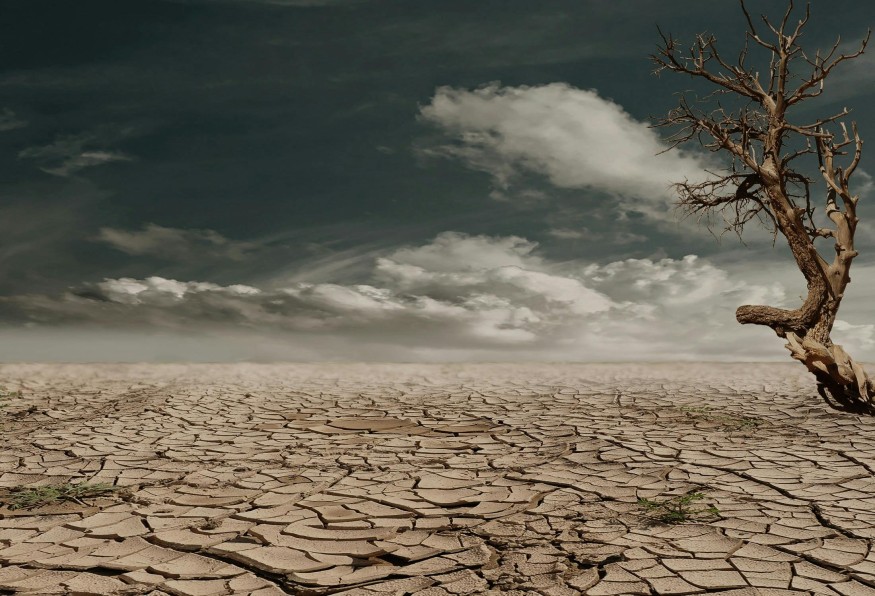
Record-breaking droughts scorched vast regions in 2025 and into 2026, leaving parched earth from Africa's Horn to Australia's interior. These global droughts intensify water scarcity, forcing tough choices for farmers and cities alike. Climate extremes like scorching heat domes turn short dry spells into multi-year crises. This piece digs into the drivers, spotlighted hotspots, environmental fallout, human struggles, and real-world fixes.
What Sparks These Record-Breaking Droughts?
Droughts brew from a mix of nature's whims and human fingerprints. Low rainfall kicks things off, often tied to oscillating ocean patterns. El Niño warms Pacific waters, shoving rain away from places like Indonesia and Peru, while La Niña flips the script for the Americas.
Climate extremes crank up the heat—literally. Rising global temperatures suck moisture from soil faster, with every degree of warming stretching dry periods by weeks or months. Urban heat islands in sprawling cities worsen evaporation, paving paradise into concrete traps that repel water.
Deforestation clears the way for trouble. Trees act like sponges, but their loss in the Amazon and Sahel lets runoff rush to sea instead of soaking in. Overuse of aquifers for irrigation depletes hidden reserves, as seen in India's Punjab where wells run dry faster each year.
NASA's satellite observations highlight how these factors compound, painting a clearer picture of vanishing groundwater worldwide.
Which Regions Face the Worst of Global Droughts?
Not all places feel global droughts equally—geography and habits dictate the pain. Sub-Saharan Africa bears a heavy load. Somalia and Ethiopia weathered a fourth straight dry year in 2025, with rivers like the Jubba shrinking to trickles. Kenya's pastoralists lost 2.5 million livestock, per local aid reports.
The Middle East simmers under relentless sun. Iraq's marshes, once a wetland wonder, have largely vanished, squeezing water scarcity for 40 million downstream. Iran's Lake Urmia halved in size over two decades, salting farmland.
Down under, Australia's southeast battled megadroughts, with the Murray-Darling Basin's flows at historic lows. In North America, California's Sierra snowpack—key to feeding 40 million—dwindled amid erratic winters. Southern Europe joined the fray, as Portugal and Spain rationed taps during 2026's heat.
The World Bank pegs these global droughts as dragging down GDPs by 2-5% in affected nations, hitting agriculture hardest.
How Do Droughts Ripple Through Ecosystems and Communities?
Environmental scars run deep. Climate extremes ignite megafires—think California's 2025 blazes charring 1.2 million acres, belching smoke that circles the globe. Rivers dwindle, killing fish runs; the Colorado barely reaches the sea now.
Soil turns to powder, washing away nutrients and choking downstream deltas with sediment. Biodiversity takes hits—Australia's wet tropics lost frog species as streams dried, while African savannas saw elephant herds thin from thirst.
Humans feel the squeeze acutely. Crop failures jack up grain prices; East Africa's 2025 maize shortfall sparked food riots in several capitals. Water scarcity breeds disease—standing ponds harbor cholera in Yemen's camps.
Power grids falter without hydro dams; Zambia's 85% output plunge in late 2025 left factories idle. Conflicts simmer over shared waters—the Nile Basin sees Egypt eyeing Ethiopia's dam warily. Migration swells: 1.5 million fled rural Pakistan amid its 2024-2026 dry spell.
Farmers adapt with grit, switching to hardier millet or solar pumps, but systemic shifts lag.
Practical Steps to Tackle Water Scarcity and Climate Extremes
Beating back global droughts starts locally. Efficient irrigation tops the list—drip systems in Israel's Negev Desert yield more with half the water, a model for thirsty farms worldwide.
Reforesting hillsides rebuilds natural buffers. Ethiopia's Green Legacy planted 30 billion trees in 2019, boosting local rains and soil health. Rainwater harvesting catches rooftop runoff, proven in Rajasthan villages to sustain dry seasons.
Tech steps up too. Drought-hardy seeds from CRISPR editing thrive in test fields across Africa, resisting climate extremes. Apps like those from the UN's early warning network alert herders to dry forecasts weeks out.
Policymakers push cross-border pacts, like the Mekong River Commission sharing data to avert water scarcity clashes. Desalination plants dot arid coasts, though energy costs challenge scale-up.
The IPCC's latest assessments underscore that blending these tactics with emissions cuts offers the best shield against worsening trends.
Moving Forward Against Intensifying Dry Spells
Global droughts, water scarcity, and climate extremes reshape maps and lives, but targeted actions build resilience. From community tanks to satellite vigilance, proven tools exist. Regions that act now turn peril into preparedness, safeguarding water for generations ahead.
Frequently Asked Questions
1. What is the main cause of droughts?
Low rainfall combines with high temperatures and human land changes. Climate extremes from warming amplify evaporation, turning mild dry spells severe.
2. How long do droughts last?
They range from months (meteorological) to decades (hydrological). The U.S. 2012-2016 event lasted four years; some African global droughts stretch five-plus.
3. Can droughts be predicted?
Yes, via models tracking El Niño and soil moisture. Tools from NOAA forecast risks 3-6 months ahead, aiding preparations.
4. Are droughts getting worse?
Data shows yes—water scarcity events doubled since 2000, per UN stats, as climate extremes intensify.
© 2026 NatureWorldNews.com All rights reserved. Do not reproduce without permission.


