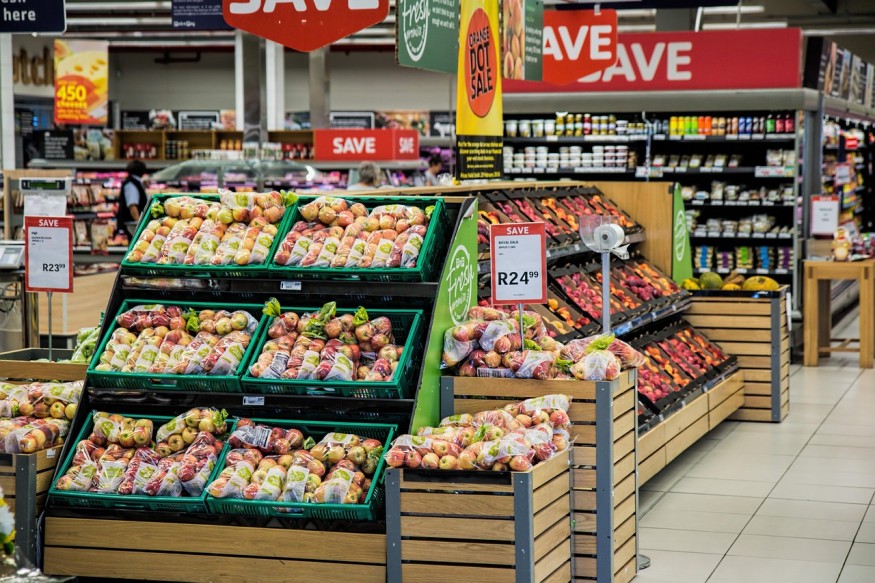
Simplification may be the secret that unlocks the potential for greatness, and it can be as simple as starting with your food. When you simplify how you plan, execute, and repeat the daily drumbeat of nutrition, you regain an advantage in nearly every area of life. Plus, simplifying your grocery habits can have positive impacts on your community and on the world.
Although smarter grocery shopping is one of the most effective ways to decrease your carbon footprint, it's a challenging shift. Simplifying your habits requires a strategy and demands behavioral change and commitment. Once you overcome these obstacles, you can reduce your carbon footprint, save money, and establish a healthier relationship with food.
Every Ingredient Has a Purpose
The colors, scents, and promise of a delicious meal can cause even the most well-intended grocery trip to go haywire. Grocery stores are designed to tantalize your senses—why else would the bakery exhaust fans crank out chocolate cookie aromas? Without a plan, a quick trip to the store results in mismatched purchases that spoil before you can enjoy them.
Online grocery shopping gives you the opportunity to slow down, compare, and cross-reference your recipes. With a plan, you can ensure you have the correct quantity for your recipes, saving money and reducing waste.
Make note of any specifics your grocery picker should consider when selecting your items, and be clear about substitutions. Without these notes, you could end up with green bananas when you had your heart set on bread-ready ripe fruit.
Eliminate the guesswork and the uncertainty, and opt for healthy meal kits that include all the ingredients and instructions. Center your meals around these kits and increase the predictability of meal planning, preparation, and clean-up. Adjust your in-store and pickup shopping accordingly to further reduce waste.
Shopping Intentionally Benefits Financial and Physical Wellness
Every person should strive for a balanced diet, and shopping smarter can ensure you stick to your plans. Plot your meals to support your macronutrient goals, energy needs, and health priorities. By dedicating time now, you can focus your shopping efforts toward your wellness endeavors.
If you deviate from the plan, you put your goals in the crosshairs. Order items for pickup to reduce the temptation to overspend or fill your cart with ingredients you won't use effectively. A mid-shopping trip craving for chips might taste good initially, but a partially eaten bag is wasteful on many levels.
Culinary Creativity Is Renewed
Look at simplified and sustainable eating as a new driver for culinary creativity. Just like a pressure cooker, you too can perform under pressure. Limited ingredients make spice profiles stand out while seasonal ingredients stretch beyond your comfort zone.
Seasonal foods are the most plentiful and affordable in traditional grocery stores and at farmers' markets. Most often, food travels shorter distances between producers and retailers, which yields sustainable benefits many times over. Less fuel is used for the transportation of ingredients and grocery trips, lessening the carbon footprint of local, in-season food.
Household Eating Habits and Needs Are Accounted For
Cooking for a family is among the most stressful parts of weekly planning. When household members have competing preferences, dietary restrictions, and even allergies, the formula for success becomes more complicated. Simplify your grocery strategy to establish a winning equation for family meals.
If household members have strong aversions to certain textures or ingredients, focus on three-part meals. A protein, vegetable, and carbohydrate selection means each person can choose which item, and how much, they want. Keeping meals simple reduces preparation, lessens plate-making arguments, and allows for easy sampling of unfamiliar ingredients.
Shelf Life and Storage Become Part of Your Food Strategy
Approach your food acquisition endeavors like a procurement manager, considering the shelf life and peak freshness of purchases. Doing so will help you frontload your menu with shorter shelf-life ingredients like lettuces, ripe fruit, and prepared foods. You'll enjoy foods at their freshest, making waste a concept of the past.
Reserve shelf-stable items like canned tuna, rice, and beans for times when grocery shopping is eliminated from the schedule. Busy weeks, bad weather, and tight budgets are part of life, so ensure your pantry is stocked with sustainable staples. These ingredients reduce the instances where takeout otherwise would be the only option, making quick meals accessible and affordable.
Sustainability Habits Spill into Other Categories
Sustainable grocery shopping is often the gateway to more sustainable habits throughout your life. Locally-produced soaps featured alongside fresh produce at the market may catch your eye, and your purchase has a positive effect. Local soap can represent a smaller carbon footprint and support a local business.
Your perspective on packaging and product waste may shift, too. Reuse glass containers for bulk food storage, reimagine them for gifting, or transform them with a craft. When you shift your habits toward sustainable eating, your entire life can improve.
Less Energy Spent on Menu Planning Means More for What Matters Most
When you re-prioritize your mindset around food and the effort required to obtain it, you create space in your life. Resist the urge to relocate your newfound resource and instead center yourself. Part of living a sustainable life is being present in the moment and slowing down.
Savor your food and appreciate what it took to arrive at your table. You may find a greater appreciation for the meal you prepared, experience better digestion, and enjoy more satisfaction after eating. By slowing down and being intentional with your food, you'll reduce waste for a better you and a better world.
© 2026 NatureWorldNews.com All rights reserved. Do not reproduce without permission.


