Archives
-
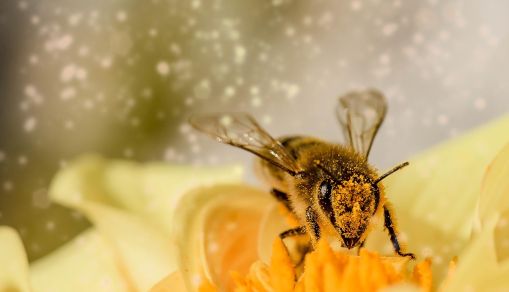
How Pollinators Navigate Using Smell and Sight Cues and Magnetoreception for Foraging
Explore how pollinators use smell and sight cues, magnetoreception, and foraging strategies to navigate efficiently and support ecosystems through advanced pollinator navigation systems.


Latest Research Articles
-
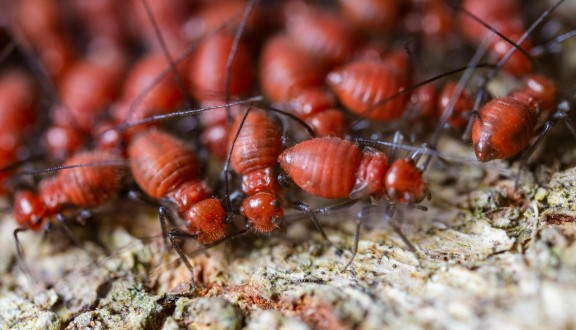
Scientists Create Safe Termite Killer That Eliminates 95% of Termites
-

Liver Aging Reversal Breakthrough: Scientists Restore Youthful Function With Young Gut Bacteria
-

Scientists Warn Atlantic Ocean Current Weakening May Push AMOC Collapse Closer
-

How Heat Wave Workers Survive India Salt Pans Extreme Heat Amid Climate Change in India
-

Trump Climate Lawsuit: World-Leading NCAR Climate Research Centre Fights Climate Science Funding Cuts
-

Massive Marine Heatwave Triggered Rapid Caribbean Coral Reef Collapse and Coral Bleaching
-

How Urban Trees Cooling Cities Help Fight the Urban Heat Island Effect in Climate-Resilient Cities
-

Hidden Ocean Heat and Circumpolar Deep Water Are Threatening Antarctica's Fragile Ice Shelves
-

How Algae Removes Microplastics From Drinking Water in a Breakthrough Water Filtration Discovery
-

Why Prehistoric Giant Insects Became Massive May Have Little to Do With Oxygen
-

Hidden Regeneration Ability Found in Mammals Could Transform Regenerative Medicine Research
-

How Urban Tree Canopy Cooling Helps Trees Reduce City Heat and Fight the Urban Heat Island Effect


MOST POPULAR
-

Scientists Warn Atlantic Ocean Current Weakening May Push AMOC Collapse Closer
-

How Algae Removes Microplastics From Drinking Water in a Breakthrough Water Filtration Discovery
-
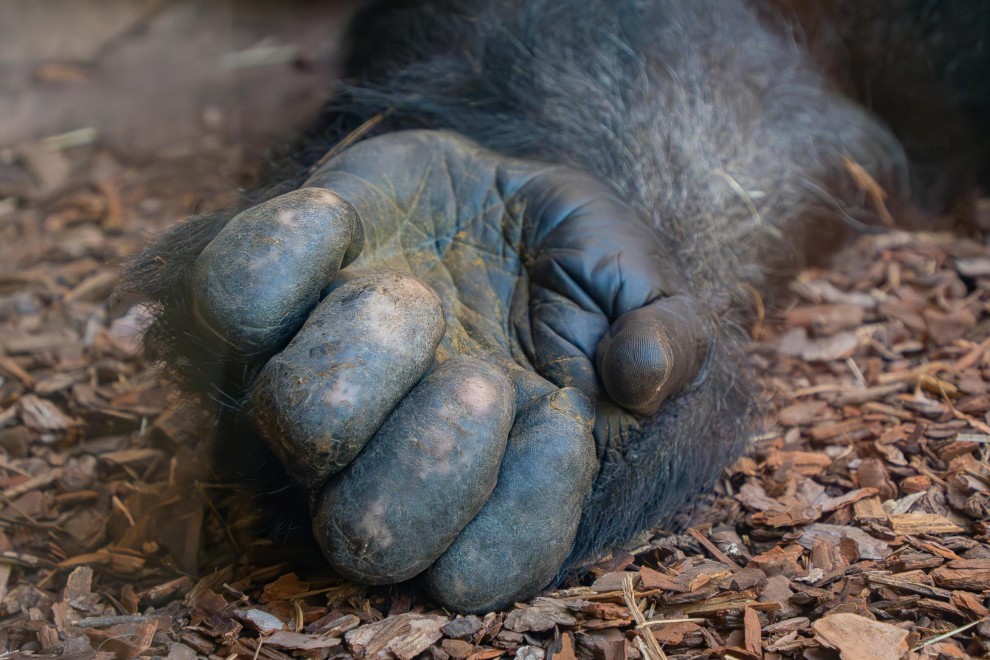
Hidden Regeneration Ability Found in Mammals Could Transform Regenerative Medicine Research
-

Trump Climate Lawsuit: World-Leading NCAR Climate Research Centre Fights Climate Science Funding Cuts
-

Massive Marine Heatwave Triggered Rapid Caribbean Coral Reef Collapse and Coral Bleaching


